🎁 Buy 2 kits, get the 3rd FREE · Free shipping on every order


Wooden vs Plastic Miniature Kits: Which Material Actually Wins?
Wooden and plastic miniature kits each have real strengths and real trade-offs. This guide breaks down durability, paint adhesion, cost, and the overall building experience so you can pick the right material for your next project.

You have a kit in your cart. Maybe two. One is laser-cut basswood, the other is grey injection-molded plastic. The price difference caught your eye, and now you’re second-guessing everything. Good. That hesitation is worth a few minutes of your time, because the material you start with shapes the whole building experience, not just the finished shelf display.
Wooden vs plastic miniature kits is one of the most common questions that comes through our inbox, and it deserves a straight answer based on real craft details, not a vague “it depends.” Below is a practical breakdown covering durability, paint adhesion, cost, and the feel of actually sitting down and building the thing.
How Each Material Is Made (and Why That Matters)
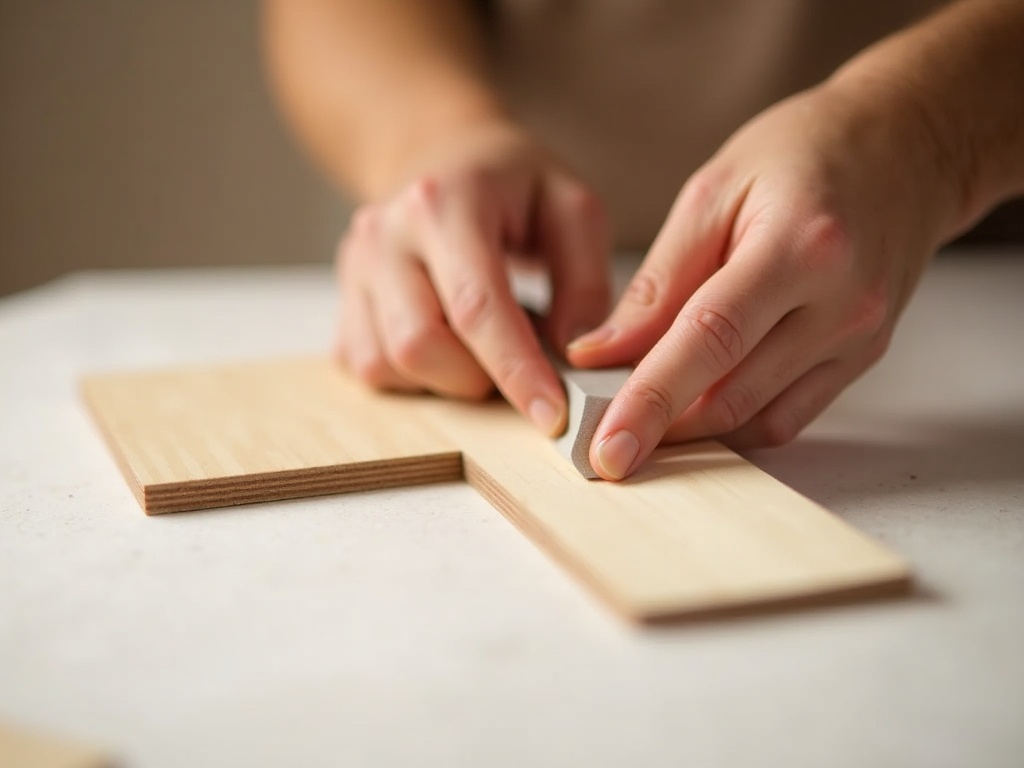
Wooden miniature kits are laser-cut from porous cellulose sheets, while plastic kits are injection-molded into a smooth, non-porous surface, two genuinely different objects with different strengths that shape every step of the build. Most wooden miniature kits use laser-cut sheets of basswood, balsa, or plywood. A CNC laser cuts each wall, floor, and tiny decorative piece to precise tolerances, usually within 0.1 mm. The natural cellulose fibers in the wood give the surface a microscopic texture, even when the cut edges look clean to the naked eye. That texture is your friend the moment you pick up a paintbrush.
Plastic kits are predominantly injection-molded. Molten polystyrene or ABS plastic is forced into a steel mold under high pressure, producing parts attached to a sprue frame. The result is very smooth, consistent in size, and nearly non-porous. That last word is going to come up again when we talk about paint, because “non-porous” has real consequences for how you prep and finish a plastic build.
Neither process is inherently superior. They produce genuinely different objects with different strengths, and knowing the difference helps you choose with confidence rather than by accident.
📜 Did you know?
Basswood (Tilia americana) has been the preferred wood for miniaturists since at least the 1970s, when the modern dollhouse hobby took off in the United States. Its even grain and low resin content make it exceptionally easy to cut, sand, and stain. Professional miniaturists at the International Guild of Miniature Artisans still rate it as the top choice for hand-crafted scale furniture as of 2025.
Basswood (Tilia americana) has been the preferred wood for miniaturists since at least the 1970s, when the modern dollhouse hobby took off in the United States. Its even grain and low resin content make it exceptionally easy to cut, sand, and stain. Professional miniaturists at the International Guild of Miniature Artisans still rate it as the top choice for hand-crafted scale furniture as of 2025.
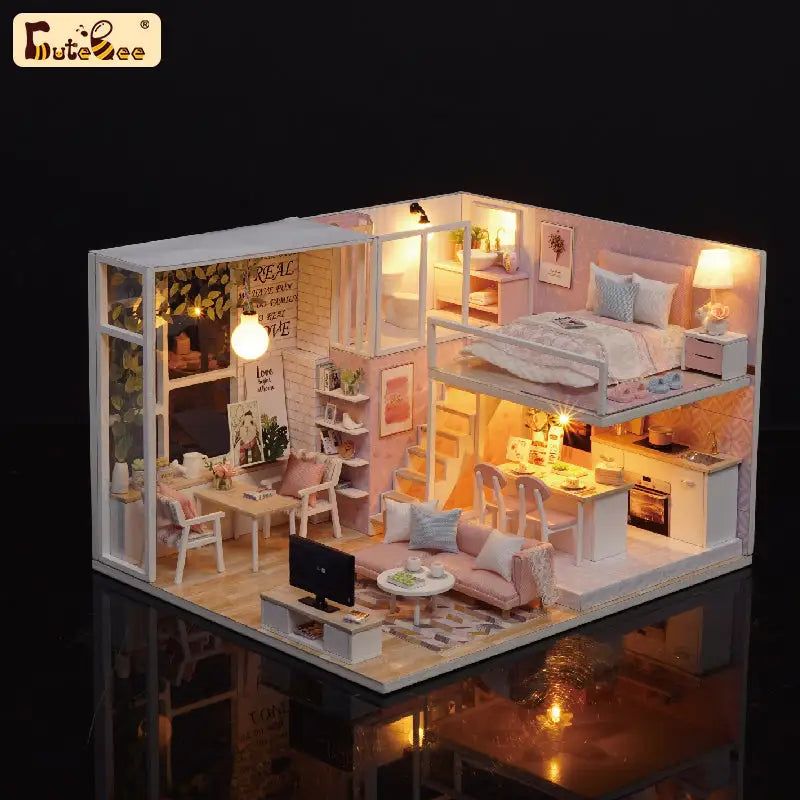
Durability: Which Miniature Kit Survives the Long Game?
Plastic wins on impact resistance for short-term handling, but a properly sealed wooden miniature kit outperforms plastic over decades by resisting the yellowing, UV fading, and surface crazing that polystyrene develops near a sunny window. Plastic wins on raw impact resistance. Drop a finished plastic miniature from table height and you are likely reattaching one small piece. Drop a comparable wooden kit and you might be searching the floor for three tiny laser-cut railings. Wood is rigid but brittle at small cross-sections, especially pieces thinner than 2 mm.
That said, wood handles time better than plastic in most home environments. Properly sealed wooden miniatures resist yellowing, UV fading, and the surface crazing that polystyrene develops after years near a sunny window. Plastic, particularly cheaper grades of styrene, can become brittle and discolored within five to ten years without UV-protective varnish.
Humidity is wood’s main vulnerability. Unsealed wooden kits in humid climates can warp slightly, particularly thin floor panels. The fix is simple: seal all surfaces with a diluted PVA coat or a dedicated wood primer before assembly. One extra step, about thirty minutes of work, and the problem is essentially solved. Many builders do this while watching television, it’s that low-effort.
For a finished piece meant to sit on a shelf for decades, a properly sealed and varnished wooden miniature kit is the more archival choice. For a kid’s room or a high-traffic display, plastic’s impact resilience is genuinely useful.
Paint Adhesion: Where Wood Has a Real Advantage for Miniature Kit Builders
Wood is porous so paint grips directly into the surface fibers with almost no prep; plastic is non-porous so it requires a dedicated plastic primer or acrylic paint will peel from the edges within days, making wood the more forgiving choice for beginners. This is where the material difference becomes most tangible for crafters who care about the final look. Wood is porous. Paint soaks into the surface fibers and grips from the inside. Standard acrylic craft paints, chalk paints, and even watercolor washes hold onto wood with almost no surface prep beyond a light sanding.
Plastic is non-porous. Paint sits on top of the surface rather than bonding into it. Without the right primer, acrylic paint on smooth polystyrene will peel from the edges within weeks, sometimes days if the piece gets handled. Plastic miniature kits require a dedicated plastic primer (spray or brush-on) to give the surface enough tooth for paint to hold. Skip that step and even the most careful paint job will chip. This is the single most common mistake first-time plastic kit builders make, and it’s entirely avoidable once you know it’s coming.
The practical consequence is this: wooden kits are more forgiving for beginners. You can pick up a brush, mix a color, and paint directly. With plastic, you need to add the priming step to your workflow, which adds cost (a can of Tamiya or Vallejo plastic primer runs $10-$15) and drying time.
On the upside, a well-primed plastic surface takes detail painting exceptionally well. The smooth base coat gives crisp lines for fine architectural details, window frames, and tile patterns. Many experienced scale modelers actually prefer primed plastic for intricate paintwork precisely because the surface is so controlled.
✨ Hannah’s tip
If you are working with a plastic kit and want to skip spray primer, brush on a thin coat of Mod Podge matte finish first. Let it dry fully (about 20 minutes), and then paint over it normally. It’s not a perfect substitute for dedicated plastic primer, but it adds enough surface texture to dramatically improve acrylic adhesion. Perfect when you are mid-project and don’t want to pause for a primer run.
If you are working with a plastic kit and want to skip spray primer, brush on a thin coat of Mod Podge matte finish first. Let it dry fully (about 20 minutes), and then paint over it normally. It’s not a perfect substitute for dedicated plastic primer, but it adds enough surface texture to dramatically improve acrylic adhesion. Perfect when you are mid-project and don’t want to pause for a primer run.
Cost Comparison: Sticker Price vs. Total Project Cost
Plastic kits look cheaper at first glance, but once you add primer, cement, and filler putty, the total project cost often matches a wooden kit that only needs basic wood glue and paint you likely already own. At face value, plastic kits often look cheaper. A 1:24 scale plastic cottage can run $18-$30, while a comparable laser-cut wooden kit might list at $35-$65. That gap is real, and it matters for budget-conscious buyers or anyone picking up a gift without knowing the recipient’s skill level.
But total project cost tells a different story. Here’s how the two materials stack up when you factor in consumables:
- Wooden kit: wood glue ($4-$8), sandpaper pack ($5), acrylic paints you likely already own, optional wood stain ($6-$10). Total added cost: roughly $10-$20.
- Plastic kit: plastic-compatible cement or super glue ($5-$10), plastic primer spray ($10-$15), acrylic paints, optional filler putty for seam lines ($5-$8). Total added cost: roughly $20-$35.
The material cost gap narrows considerably once you account for supplies. For a first-time builder who owns nothing yet, a well-priced wooden kit with basic craft glue and paint is often the more economical starting point overall.
For collectors who already own a full modeling supply kit including primers and cements, the lower sticker price of a plastic kit is a genuine saving. Context matters here.
If you want to browse kits across both material types and difficulty levels, the full miniature house kits collection includes difficulty ratings and a materials breakdown on every listing, so you know exactly what you are buying before you add to cart.
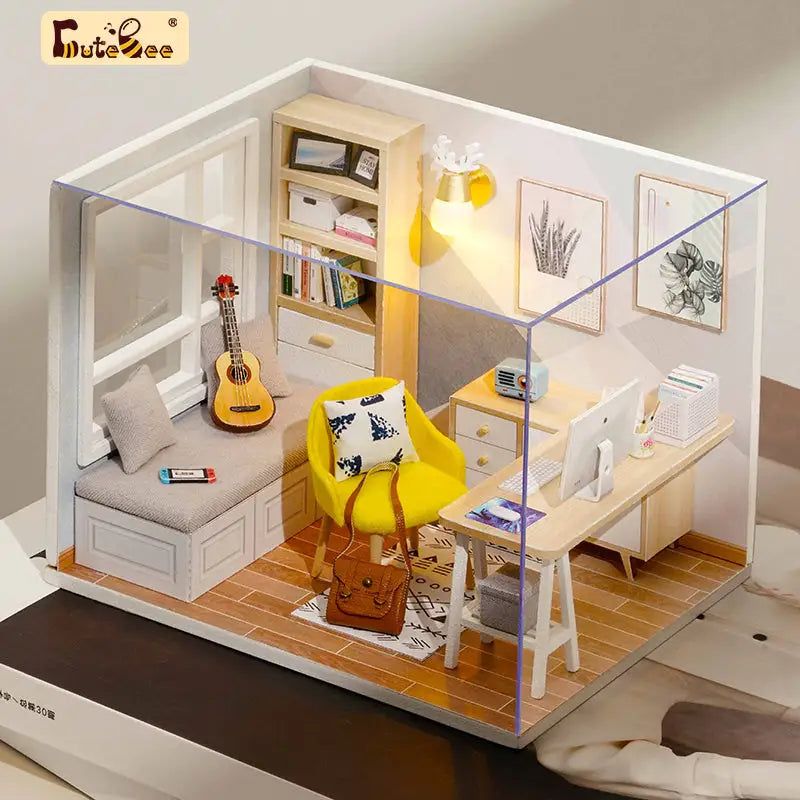
The Building Experience: Meditative vs. Mechanical
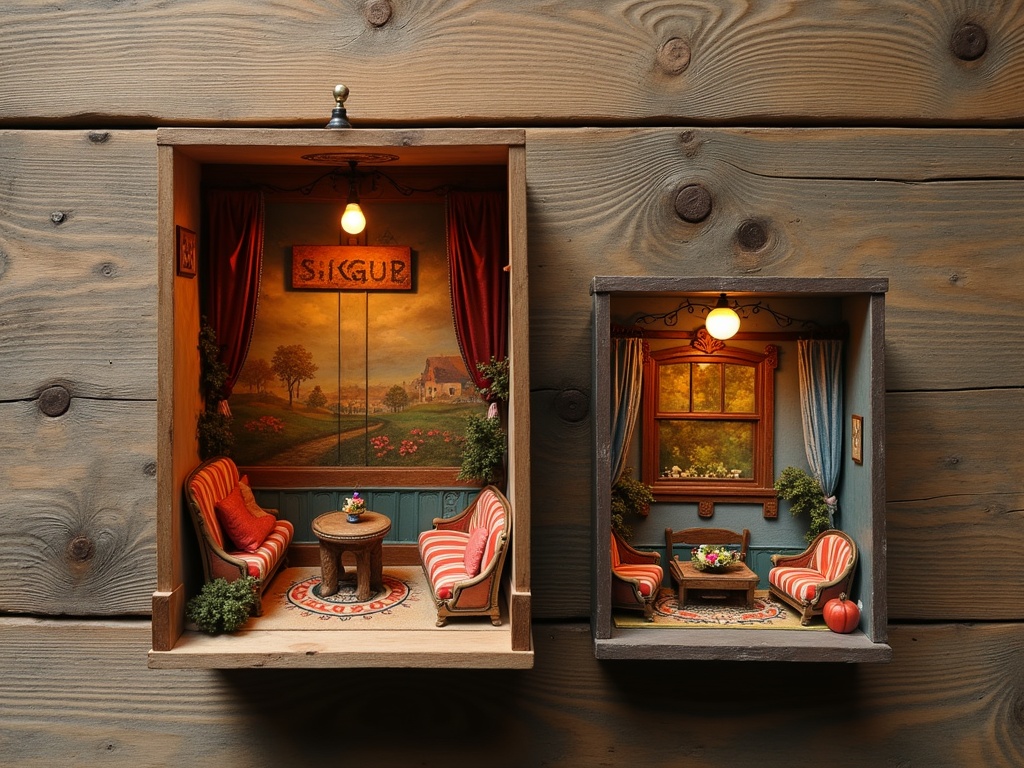
Wooden kits offer a slow, tactile, meditative rhythm of sanding and gluing; plastic kits run faster with quick-setting cement and less prep between stages, your preferred craft pace matters more than any spec when choosing between the two. Numbers and specs only tell part of the story. The other part is how building actually feels at the table, especially over a two or three-hour session. When people write to us about why they keep coming back to wooden vs plastic miniature kits as a topic, they are almost always really asking: which one will I enjoy more?
Wooden kits have a sensory quality that is genuinely hard to replicate. The smell of fresh-cut basswood, the slight resistance when you sand a piece smooth, the way a wood-glue joint sets slowly enough to let you adjust: these details add up to a tactile, meditative rhythm. Many crafters in our community describe their wooden kit sessions as the part of the week where everything else quiets down. That’s not marketing copy. It comes directly from builders who message us about it, sometimes at length.
Plastic kits run faster. Sprue parts snap or cement together quickly, and there is less sanding between stages. For builders who enjoy the assembly puzzle more than the material craft, plastic kits deliver a satisfying click-and-build momentum. Scale modelers who migrated to miniature houses often feel at home immediately with a plastic kit in hand.
Difficulty-wise, neither material is strictly harder. Wooden kits reward patience and surface prep. Plastic kits reward planning (you cannot easily undo a cemented plastic joint the way you can re-soak a wood-glue bond with a damp cloth). Both are accessible at beginner level; both offer real complexity at advanced level.
Looking for a gentler first project? Our beginner-rated miniature house kits include pre-scored wooden panels that require zero cutting, just a craft knife to remove tabs. They are a genuinely calm way to start.
Which Material Suits Which Builder
Beginners, children, and archival collectors consistently land on wood; scale modelers, speed builders, and advanced detail painters get more from a well-primed plastic kit, match the material to how you build, not just what you want on the shelf. There is no universal right answer, but there are strong patterns. Here is a quick guide based on what we hear from the community most often:
- New to miniature kits, want a forgiving first build: laser-cut wooden kit, beginner difficulty rating.
- Scale modeler or Gundam builder looking for a crossover project: plastic kit, intermediate level, full primer workflow already in your kit.
- Gift buyer for a child (8+): wooden kit; safer adhesive (PVA/wood glue), easier paint process, no solvent cements needed.
- Archival collector who wants a shelf piece lasting 20+ years: wooden kit sealed with varnish, hands down.
- Builder focused on hyper-detailed painting and weathering: plastic, primed correctly, gives a smoother base for advanced techniques.
- Limited budget, already own a modeling supply kit: plastic kit sticker price wins at scale.
For seasonal gift ideas that fit both camps, the complete miniature house kits range is sorted by material type, difficulty, and price, making it easy to filter down to exactly the right fit. You can also explore our book nook kits, most of which are laser-cut wood and make wonderful entry-level builds.
Frequently Asked Questions about Wooden vs Plastic Miniature Kits
Everything you might be wondering (click a question to expand).
Can I use the same paints on both wooden and plastic miniature kits?
Standard acrylic craft paints work on both materials, but the prep is different. Wood accepts acrylics directly after a light sand. Plastic miniature kits need a plastic-compatible primer first, or the paint will eventually peel. Water-based chalk paint is a good crossover option that adheres to lightly sanded plastic without a separate primer step, though it is less durable long-term than a properly primed surface.
Are wooden miniature kits harder to assemble than plastic ones?
Not harder, but slower. Wood glue sets in 20-30 minutes and reaches full strength in about an hour, so you hold joints longer or use painter’s tape to clamp them. Plastic cement creates a chemical weld in minutes. If you prefer faster assembly, plastic has an edge. If you prefer a more relaxed pace where you can adjust pieces before the glue sets, wood is actually more forgiving. Most beginners find wooden kits easier overall because mistakes are easier to correct.
Do wooden kits warp over time?
Unfinished or unsealed wooden miniature kits can warp in humid conditions, particularly thin panels under 2 mm. Sealing all surfaces with a coat of diluted PVA glue (roughly 1 part PVA to 3 parts water) before assembly prevents virtually all warping. Once a wooden kit is fully assembled and varnished, it is remarkably stable under normal indoor conditions.
Which material holds fine details better?
Injection-molded plastic holds finer molded detail than wood, because the mold process can produce features smaller than 0.5 mm with perfect repeatability. However, laser-cut wood can be engraved with very fine surface patterns, and hand-painted wooden surfaces often look richer than plastic because the grain adds natural visual texture. The best “detail” result depends on whether you mean manufactured precision or handcrafted character.
Is one material more eco-friendly than the other?
Basswood and balsa used in quality miniature kits are fast-growing woods, and many manufacturers source from certified sustainable forestry operations. Polystyrene plastic is petroleum-derived and not widely recyclable in curbside programs. From a raw materials standpoint, wood kits have a lower environmental footprint, though both materials involve energy-intensive manufacturing processes.
Which miniature kit material is better for kids?
Wooden kits are generally the safer, more parent-friendly choice for children aged 8 and up. The adhesive is PVA or wood glue, which is water-based and non-toxic. Plastic kits often use solvent-based cement, which requires ventilation and adult supervision. Paint adhesion on wood is also far easier for small hands to manage without a priming step. Look for our beginner-rated kits specifically; they use pre-scored panels and skip any fiddly cutting work.
Picking Your Next Kit With Confidence
Choose wood for patience, sensory craft, and long shelf life; choose plastic for speed and precision painting technique, both sit beautifully on a shelf when done well, and a small wooden room box is the clearest way to find out which rhythm suits you. The best miniature kit is the one that matches how you actually like to spend your craft time, not the one with the most impressive spec sheet. Wood rewards patience, sensory engagement, and a love of surface work. Plastic rewards planning, speed, and precision painting technique. Both sit beautifully on a shelf when done well.
If you are still undecided, start with a small wooden room box kit. The tactile satisfaction of fitting laser-cut panels together and brushing on the first coat of paint is one of those experiences that tends to make the decision for you. Browse all miniature house kits sorted by material and difficulty, and check the “what’s included” section on each listing so there are no surprises at the craft table. ✨