🎁 Buy 2 kits, get the 3rd FREE · Free shipping on every order


Are Book Nook Kits Hard to Build? An Honest Skill Guide
Wondering whether book nook kits are hard to build? This honest guide breaks down a 1-to-5 skill scale, explains what drives difficulty, flags common beginner mistakes, and recommends where to start for a satisfying first build.

Are book nook kits hard to build? Honestly, far less than most people expect. The first time I held a raw wooden panel and a tiny paper lantern in my hands, I was convinced I would ruin everything before lunch. Three hours later, the little alley was glued together and I hadn’t ruined a thing. That surprise is exactly what keeps people coming back to this hobby.
The short answer: Pick the wrong kit for your skill level and yes, it will frustrate you. Pick the right one and building feels meditative, steady, almost addictive. There is something genuinely calming about the way each small panel clicks into place, the way a scene slowly fills with detail, the way the world outside fades while you focus on something the size of your hand.
Below is the honest breakdown, organized by skill level, with concrete guidance on what separates an easy build from a challenging one.
What Makes a Book Nook Kit Easy or Difficult?
A book nook kit’s difficulty comes down to four concrete factors: piece count, instruction quality, lighting complexity, and finishing details. Most builders who struggle are not lacking talent; they are simply working with the wrong kit for their current level. Before rating anything, it helps to know which variables actually drive difficulty. Most builders who struggle aren’t struggling because they lack talent. They’re struggling because their kit has one of these four culprits.
- Piece count and size: A kit with 30 large pre-cut panels is forgiving. A kit with 200 tiny furniture pieces, some smaller than a thumbnail, demands patience and steady hands.
- Instruction quality: Illustrated step-by-step guides with numbered parts are beginner-friendly. Dense text-only instructions with ambiguous diagrams are not.
- Lighting complexity: Many kits include LED strips or USB-powered fairy lights. Threading wires through walls before closing up a structure is the single step that trips up most first-timers.
- Finishing details: Painting, applying wallpaper, and hand-placing miniature accessories add time and craft skill on top of basic assembly.
Rate these four factors and you have a reliable picture of what you’re getting into.

The Skill Scale: Levels 1 Through 5
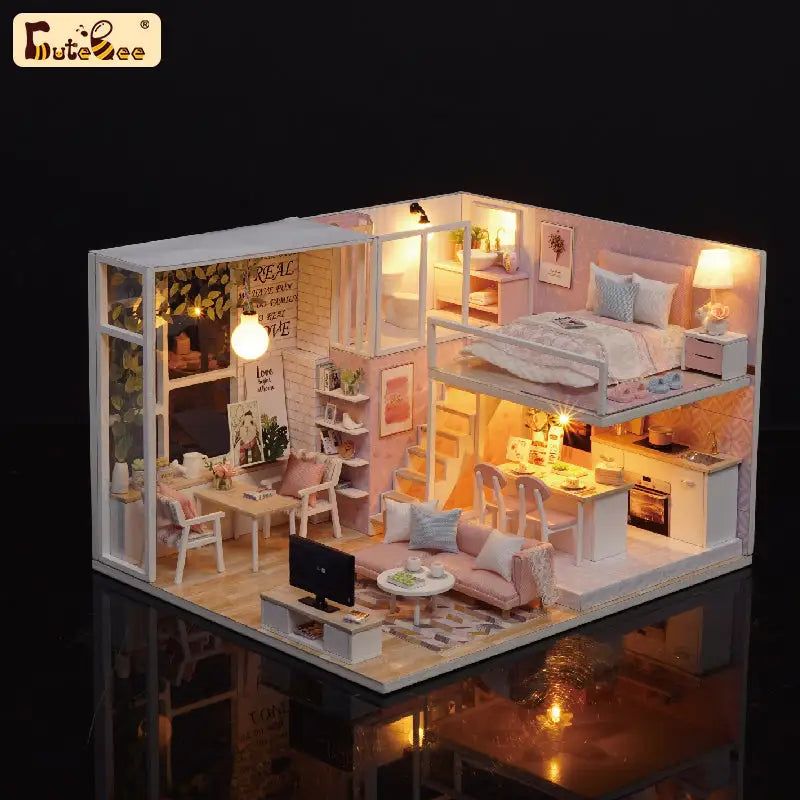
Most-loved Level 2 starter
Tranquil Life DIY Miniature House Kit
$67.90
Perfect for your first weekend build: illustrated instructions, single LED strip, under 120 pieces.
Book nook kits fall on a five-level scale, from Level 1 afternoon builds with under 80 pieces and no wiring, up to Level 5 collector-grade structures that can take 40 or more hours to complete. After watching hundreds of community builds, here is the scale I use to rate book nook kits. Think of it like a hiking trail rating: the landscape is gorgeous at every level, but the path gets steeper.
Level 1: Afternoon Builds for True Beginners
These kits have fewer than 80 pieces, generous pre-cut panels, and zero wiring. Assembly time sits around 2 to 4 hours. A motivated 12-year-old can finish one in an afternoon. They are perfect as a first project or a low-stakes gift for someone who has never built anything miniature before.
What to look for: kits labeled “starter,” “beginner,” or “no tools required.” The finished piece may be smaller or simpler in theme, but the satisfaction of finishing a build on the first attempt is enormous. There’s a particular pleasure in those first builds that’s hard to describe: the quiet focus of sorting the pieces, the small triumph of fitting two panels together perfectly, the moment you switch on the LED for the first time and the whole tiny scene glows. It’s unhurried in a way that most hobbies aren’t.
Level 2: Weekend Projects with a Little Patience
Piece count climbs to roughly 100-150. You might paint a few wooden accents or fold some paper elements. LED lighting appears here, but usually as a single pre-wired strip you just click into a slot. Expect 6 to 10 hours total across one weekend. This is the sweet spot for most new hobbyists who want a visible challenge without a steep learning curve.
A level 2 kit rewards you with a noticeably more detailed finished result. Bookshelf niches look more lived-in, windows cast warm glows, and small accessories make the scene feel alive. Many builders describe the rhythm of a level 2 build as deeply satisfying: you work in short concentrated bursts, each session leaving a visible mark, until one evening the last accessory is in place and you prop the nook between two books and just sit quietly for a moment looking at what you made. That moment lands.
The Tranquil Life kit shown above sits squarely at Level 2. Its illustrated instructions break the build into numbered stages, the LED strip plugs in rather than requiring soldering, and the cottage aesthetic is forgiving enough that slight variations in how you position the furniture only add character.
Level 3: Multi-Session Builds with Real Craft Decisions

Here the builds start to require genuine judgment calls. You’re choosing where to position a light source so it casts the best shadow. You’re cutting small strips of decorative paper to fit irregular corners. Piece counts run 150 to 250. Build time is often 12 to 20 hours spread across several sessions.
Level 3 is where the hobby starts feeling truly artisanal. Every builder’s version looks slightly different because of the small decisions made along the way. That individuality is part of the appeal. If you’ve already completed a level 1 or 2 build and found yourself reluctant to put it down in the evenings, a level 3 kit is your next natural step. Browse the full book nook collection and filter by the “intermediate” tag to find the right fit.
Level 4: Advanced Kits for Experienced Miniaturists
Wiring multiple light zones, layering paint for aged wood or moss effects, assembling sub-components with tight tolerances. Level 4 kits ask for a builder who has completed at least two or three simpler projects and is comfortable with small-scale tools. These are the builds people display at craft fairs and post proudly with a 30-photo build diary.
Level 5: Collector-Grade Statement Pieces
Reserved for the most complex multi-room, multi-story structures. Some level 5 kits include motorized elements, custom sound chips, or layered architectural facades. Build time can exceed 40 hours. They’re not for beginners, but knowing they exist is motivating. Most crafters who started at level 1 find themselves eyeing level 4 and 5 kits within a year.
✨ Hannah’s tip
Thread your LED wire through the wall panels BEFORE applying any glue. This sounds obvious, but almost every beginner skips this step, assumes they can fish the wire through later, and then spends 45 minutes trying to undo dried joints. Do the wiring dry-fit first, every single time.
Thread your LED wire through the wall panels BEFORE applying any glue. This sounds obvious, but almost every beginner skips this step, assumes they can fish the wire through later, and then spends 45 minutes trying to undo dried joints. Do the wiring dry-fit first, every single time.
Beginner-Friendly Book Nook Kits Worth Starting With
Choosing your first kit is the most important decision in this hobby; look for illustrated numbered instructions, a listed build time, and photos showing both the raw kit contents and the finished piece before you buy. Choosing your first kit is the most important decision you make in this hobby. A bad first experience can put people off building entirely, which is a shame because the right kit genuinely changes how a person spends their evenings.
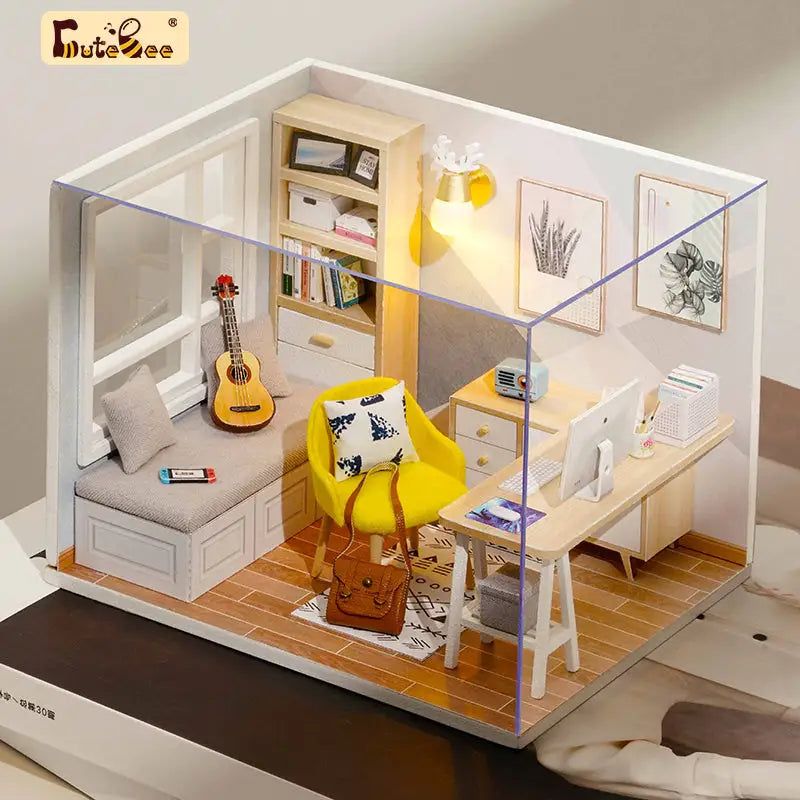
Best true Level 1 starter under $50
Sun Room DIY Miniature House Kit
$49.99
Under 80 pieces, no wiring required, finishes in a single afternoon. The kit we recommend to every first-timer.
The Sun Room kit above earns its “first-timer” label because of how the experience actually feels, not just the piece count. The large sunlit panels slot together with satisfying precision, the small potted plants are pre-painted so you’re placing rather than finishing, and the result looks genuinely beautiful between books on a shelf. Community members who tried it as a first project consistently report finishing in one sitting, often surprised that hours had passed.
The kits in our best-selling book nook collection are sorted partly by popularity, but also by community-reported build experience. Look specifically at the ones tagged “beginner-friendly” or rated level 1-2 on the product page. Those tags come from real builder feedback, not marketing copy.
When browsing, ask yourself three questions:
- Does the product listing show a completed build AND photos of the raw kit contents?
- Are the instructions described as illustrated and numbered?
- Is the estimated build time listed? Anything under 8 hours is a reasonable first build.
If a listing can’t answer all three, that’s useful information too.

Common Mistakes That Make Easy Kits Feel Hard
Even a level 1 kit turns frustrating when builders skip the dry-fit, apply too much glue, work in a cluttered space, or rush the drying time; avoiding these four habits makes any kit feel easier. Even a level 1 kit can become frustrating if you walk into it with a few avoidable habits. These are the patterns that show up most often in the community when someone reports a difficult first build.
Skipping the dry-fit stage
Dry-fitting means assembling everything without glue first, just to confirm pieces fit and you understand the sequence. It adds maybe 20 minutes to your total time. It prevents hours of frustration caused by gluing something in the wrong order and blocking access to a later step.
Using too much glue

Ready for more? Try a greenhouse next
Miniature Greenhouse Kits
22 LED-lit greenhouse builds
Once you’ve completed a Level 1 or 2 book nook, a greenhouse build is a beautiful next challenge: bigger scenes, more planting details, and the same satisfying LED glow.
Wood glue expands slightly as it dries. A thin, even layer does the job. A thick bead of glue squeezes out, smears on the visible face of a panel, and requires sanding or painting over. Less is genuinely more here.
Building in a cluttered space
Miniature pieces are tiny. If your table has clutter, pieces roll off, get lost, or end up glued in the wrong spot. Clear the workspace completely before opening the bag of parts. A sheet of white paper underneath everything makes small pieces easier to see and track.
Rushing the drying time
Most wood glues need 20 to 30 minutes of clamping time before you move a joint. Picking up a freshly glued structure too early is the most common cause of misaligned walls. Set a timer. Use that waiting time to prep the next sub-assembly, or simply sit with your tea and look at the progress. That pause is part of the rhythm that makes this hobby feel so restorative.
📝 Did you know?
The book nook format as a decorative miniature insert dates back to a viral Japanese woodworking post from around 2018. Within two years, the concept had spread globally, spawning hundreds of independent kit designers and an estimated market of over $50 million annually by 2023. What started as a single shelf decoration idea became one of the fastest-growing craft categories of the decade.
The book nook format as a decorative miniature insert dates back to a viral Japanese woodworking post from around 2018. Within two years, the concept had spread globally, spawning hundreds of independent kit designers and an estimated market of over $50 million annually by 2023. What started as a single shelf decoration idea became one of the fastest-growing craft categories of the decade.
How Long Does It Actually Take to Build a Book Nook Kit?
A book nook kit takes anywhere from 2 to 4 hours at Level 1 up to 40 or more hours at Level 5, with piece count and wiring complexity as the main factors that push build time up. Build times vary widely, but here are honest ranges based on skill level and kit complexity:
| Skill Level | Typical Piece Count | Estimated Build Time | Good For |
|---|---|---|---|
| Level 1 | Under 80 | 2-4 hours | First-time builders, gifts |
| Level 2 | 80-150 | 6-10 hours | Casual hobbyists, weekend projects |
| Level 3 | 150-250 | 12-20 hours | Experienced hobbyists |
| Level 4 | 250-400 | 20-35 hours | Advanced miniaturists |
| Level 5 | 400+ | 40+ hours | Collectors, display builders |
Something worth noting: most builders report that the time passes differently when building a book nook kit compared to other crafts. The incremental nature of it, panel by panel, accessory by accessory, creates a rhythm that many describe as close to flow state. An hour disappears without feeling like an hour. There is a specific kind of silence that settles in around you when you’re painting a two-centimetre bookshelf or easing a paper lantern into position. It’s the silence of genuine concentration, and it feels like a small gift after a busy day.
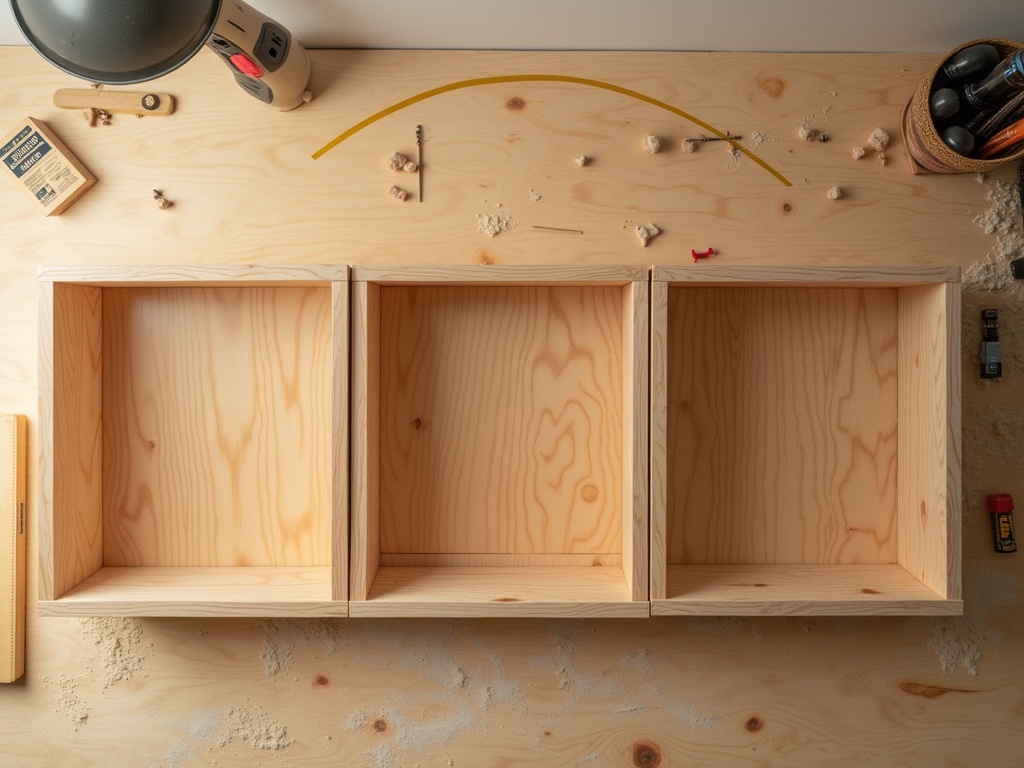
For builders ready to level up to Level 4
Monet’s Garden DIY Miniature House Kit
$155.00
A collector-grade statement piece for builders who’ve completed 2 or 3 simpler kits and are ready for a multi-session challenge with genuinely stunning results.
Frequently Asked Questions about Book Nook Kit Difficulty
Everything you might be wondering (click a question to expand).
Do I need any special tools to build a book nook kit?
Most kits at level 1 and 2 require nothing beyond wood glue, tweezers, and a flat work surface. Some builders add a small clamp or a toothpick for applying glue precisely. Level 3 and above may benefit from small craft scissors, a hobby knife for trimming paper elements, and fine-grit sandpaper for smoothing edges. You almost never need power tools.
Can kids build book nook kits?
Yes, with the right kit and some adult supervision for the gluing steps. Level 1 kits are appropriate for crafty kids aged 12 and up. Younger children (8-11) enjoy building alongside a parent, with one person handling the glue and the other placing pieces. The process builds patience, fine motor skills, and a genuine sense of accomplishment.
What if I make a mistake partway through the build?
Most wood-glue joints can be carefully separated within the first few hours while the glue is still curing. Soak the joint with a small amount of water and gently work it apart. For dried mistakes, a craft knife can score and separate panels without destroying the wood. The community shares repair tips freely. A small misalignment rarely ruins the visual result once the scene is decorated and lit.
Are book nook kits a good gift for someone who has never done miniature building?
A level 1 or level 2 kit makes an excellent gift for a curious adult or older teen. Pair it with a small bottle of wood glue and a set of tweezers if those aren’t included. The key is matching the kit’s difficulty to the recipient’s patience level, not their prior craft experience. Many of the most dedicated builders in this community started with a gift kit they had zero expectations about.
How do I know if a specific kit is beginner-friendly before buying?
Look for three signals: an estimated build time listed in the product details, photos showing both the raw kit contents and the completed model, and reviews that mention the instruction clarity. If multiple reviewers comment that instructions were clear or that they finished as a first-timer, that’s a reliable signal. Our best-sellers page filters for community-rated beginner options.
Are there hidden costs beyond the kit price, such as glue or tools?
For Level 1 and most Level 2 kits, no. A basic PVA or wood glue (often under $5 at any craft store) and a pair of tweezers cover the essentials. Some builders invest in a small cutting mat and a toothpick dispenser for more precise glue application, but neither is necessary. Level 3 kits and above may call for fine-grit sandpaper (around $3 for a pack) and occasionally acrylic craft paint if you want to customise the finish. The kit price is genuinely close to the all-in cost for beginners.
How long do finished book nook kits last, and can they be moved or stored?
A well-glued book nook kit is surprisingly robust. The wooden structure holds together for years when kept indoors away from direct sunlight and high humidity. The LED elements run off a USB cable or AA batteries and can be replaced if they ever fail. For moving or storage, wrap the finished piece in tissue paper and box it with the LED wire coiled loosely. Several community members have transported completed builds across the country without damage.
Starting Small Pays Off More Than You Think
Starting with a simple one-afternoon kit builds the muscle memory and spatial judgment that makes every harder build after it feel achievable; builders who now tackle Level 4 and 5 pieces almost all began exactly this way. The crafters in this community who build the most ambitious, stunning pieces almost universally say the same thing: they started with a simple kit that took one afternoon. That single finished build, sitting on a shelf glowing softly, did more for their confidence than any tutorial video or Pinterest board.
Difficulty in this hobby is not a wall. It’s a ladder. You choose which rung to step onto first, and every rung after that feels easier because of the muscle memory and spatial judgment you built on the one before. A beginner-friendly book nook kit isn’t a lesser version of the hobby. It’s the correct starting point for building the skill to attempt something genuinely spectacular later.
Browse kits by difficulty level in our best-seller collection, check the community build photos on each product page, and pick the one that makes you excited, not nervous. That instinct is a good guide.