🎁 Buy 2 kits, get the 3rd FREE · Free shipping on every order

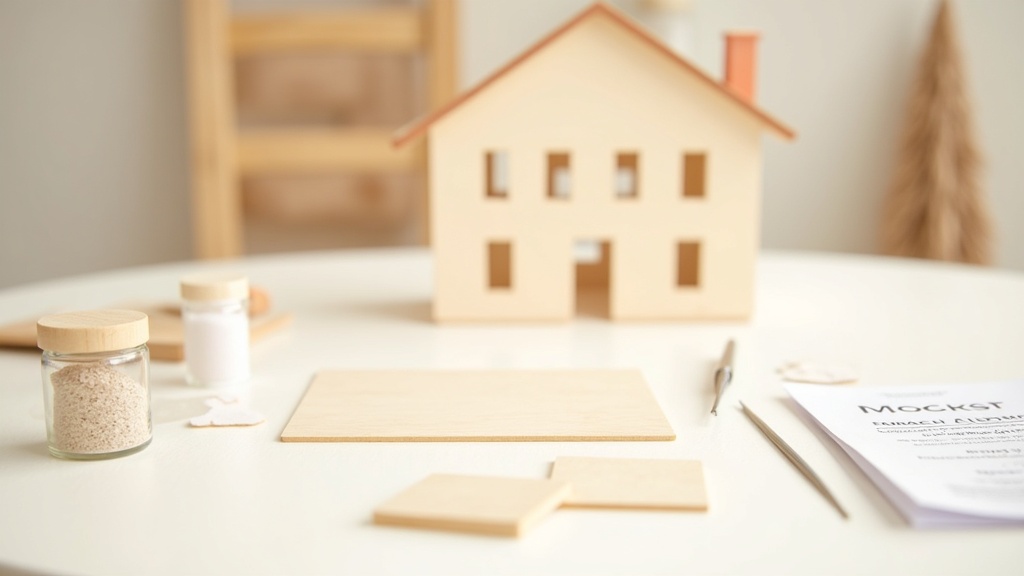
Are Miniature House Kits Hard to Build? An Honest Beginner’s Guide
Wondering if miniature house kits are hard to build? This honest guide breaks down difficulty levels, build times, required tools, and common beginner mistakes so you can pick the right kit with confidence.

Are miniature house kits hard to build? It’s the first question almost everyone asks before buying their first kit, and the honest answer is: it depends on the kit, not on you. Some builds are genuinely approachable on a Sunday afternoon. Others ask for patience, a steady hand, and a few weekends of focused work. Knowing the difference before you open a box saves frustration and sets you up for that deeply satisfying moment when you flick on the tiny LED lights for the first time.
This guide breaks down every factor that shapes difficulty, from kit complexity and included materials to the specific skills that help most. Whether you’re buying for yourself or shopping as a gift, you’ll leave with a clear picture of what to expect and the confidence to pick the right starting point.
What Actually Makes a Miniature House Kit Difficult (or Easy)
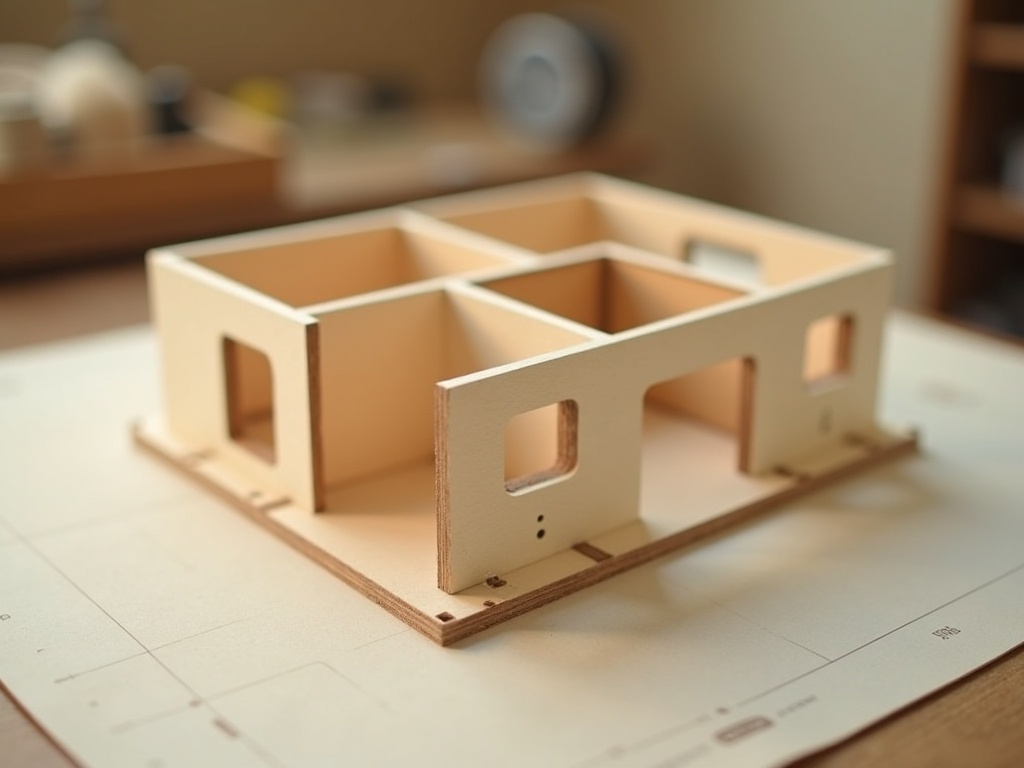
A miniature house kit’s difficulty is shaped by four stacking variables: kit scale, total part count, how much comes pre-made, and how many finishing steps like painting or wiring are involved. Difficulty isn’t one thing. It’s a combination of several variables that stack on top of each other. Understanding each one helps you pick a kit that matches your current skill level rather than one that overwhelms you on day one.
🏠 Kit Scale and Part Count
Scale is the single biggest driver of difficulty. Most beginner-friendly kits use a 1:24 scale (half-inch scale), where parts are small but still manageable with standard tweezers. Ultra-detailed 1:48 and 1:144 scale kits are genuinely tiny. Handles, window frames, and roof tiles at those scales require magnification tools and a very relaxed grip on impatience. If your fingers are unfamiliar with fiddly work, start at 1:24 or even the chunkier 1:12 scale.
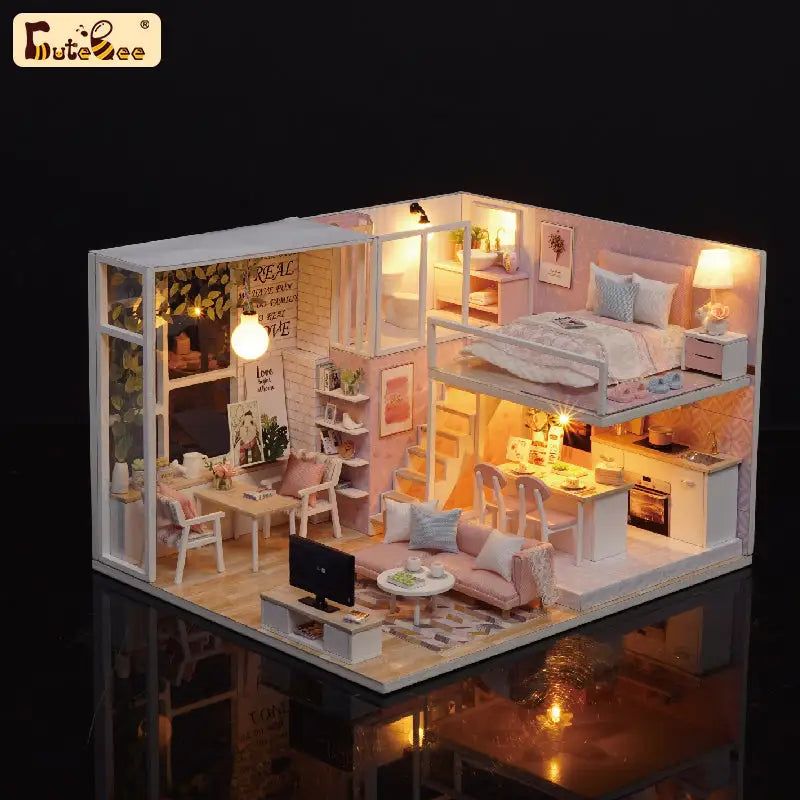
Part count matters just as much. A kit with 50 pre-cut laser pieces and a handful of furniture items can be assembled in 4 to 6 hours across two sittings. A multi-room Victorian mansion kit with 300-plus pieces, hand-painted wallpaper panels, and a working lighting circuit is realistically a 15 to 25 hour project spread across multiple sessions. Neither is “too hard.” They just belong at different points in your building journey.
🔨 What Comes Pre-Made vs. What You Build Yourself
Good beginner kits include pre-cut wood panels, pre-formed furniture pieces, and detailed step-by-step instructions with photographs. You’re assembling, decorating, and personalizing. Advanced kits sometimes ship raw wood sheets that you score and punch out yourself, or furniture that arrives as flat sprues requiring trimming, sanding, and painting from scratch. Both approaches are rewarding, but only one of them is suitable for someone who has never held a craft knife.
Check the product description for phrases like “laser-cut pieces,” “pre-assembled furniture,” and “illustrated instructions.” These signal a lower barrier to entry. Our full miniature house kit collection labels each kit with a difficulty rating so you can filter by skill level before you fall in love with a kit that might frustrate rather than delight you.
🎨 Glue, Paint, and Finishing Steps
Most kits require wood glue for structural joins and craft glue or tweezers for tiny decorative elements. The challenge isn’t the glue itself. It’s knowing how much to use (very little), where to apply it, and how long to let it cure before moving on. Rushing the glue stage is the number one mistake beginners make. A joint that isn’t fully set will shift the moment you press the next wall against it, and a crooked room is very hard to correct once the glue has dried.
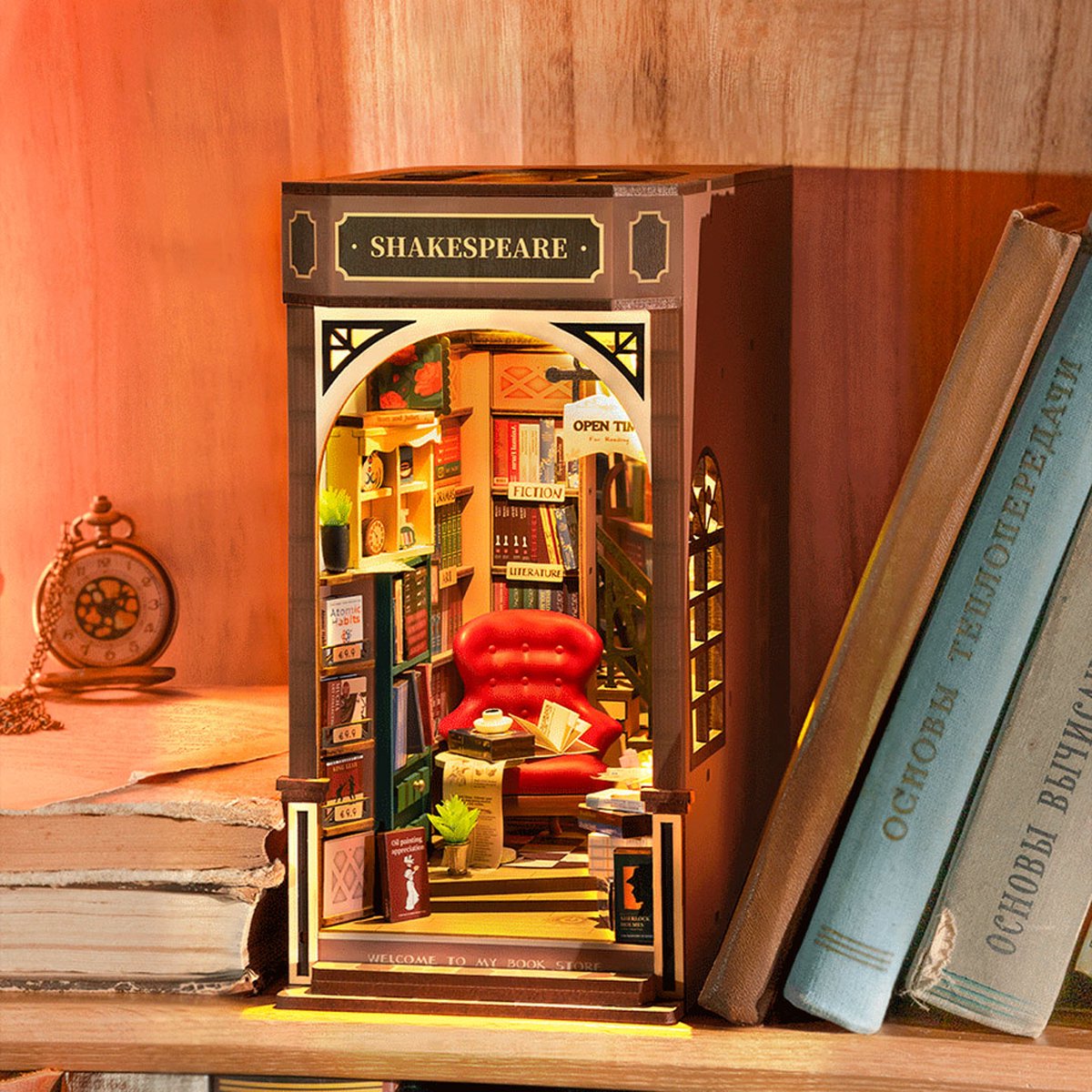
Painting and finishing are optional on most kits, which come with pre-printed wallpaper and fabric samples. But if you want a truly personalized build, painting the exterior trim or staining the wooden floors adds 2 to 4 hours of work and a learning curve around brush control on tiny surfaces. Many builders say this finishing stage is actually their favourite part: the one where the tiny world starts feeling truly theirs.
✨ Hannah’s tip
Before you touch a single piece, spread all the parts on a white towel and match them to the parts diagram. This “inventory ritual” takes about 20 minutes, but it completely eliminates the mid-build panic of hunting for a missing piece. It also gives you a calm, meditative first look at the whole project before the building begins. I do this with every single kit I test, even after hundreds of builds.
Before you touch a single piece, spread all the parts on a white towel and match them to the parts diagram. This “inventory ritual” takes about 20 minutes, but it completely eliminates the mid-build panic of hunting for a missing piece. It also gives you a calm, meditative first look at the whole project before the building begins. I do this with every single kit I test, even after hundreds of builds.
Skill Levels Explained: Which Kit Is Right for You
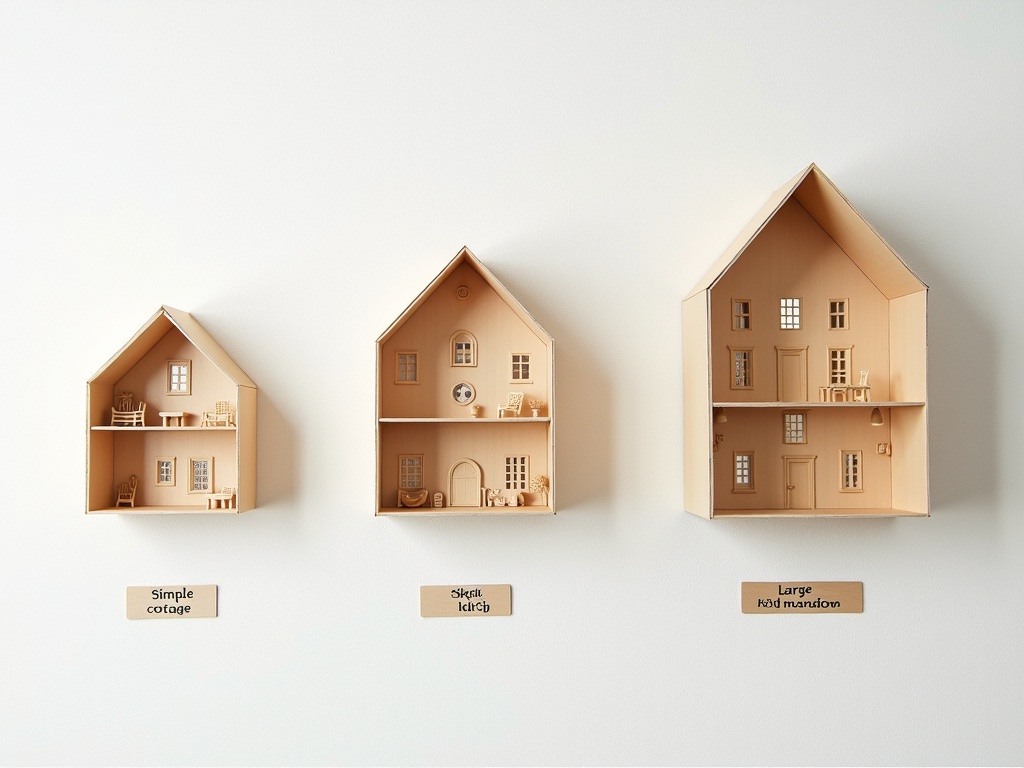
Beginner kits (Level 1-2) suit first-timers with no craft experience; intermediate kits (Level 3) suit anyone who has finished at least one build; advanced kits (Level 4-5) reward crafters who love the process as much as the finished piece. Here’s a practical breakdown of how we rate kits, what each level actually demands, and the realistic time investment per level.
- Beginner (Level 1-2): Pre-cut laser wood, 40-80 pieces, illustrated instructions, no painting required. Total build time: 3-8 hours. Great for first-timers, kids ages 14 and up with adult supervision, and gift buyers who want a sure win.
- Intermediate (Level 3): 80-200 pieces, some hand-painting or staining recommended, basic wiring for LED lights. Build time: 8-16 hours. Ideal for anyone who has finished at least one beginner kit or has experience with model kits or needlework.
- Advanced (Level 4-5): 200+ pieces, multi-room layouts, detailed furniture requiring finishing, integrated lighting circuits. Build time: 15-30+ hours. Best for crafters who genuinely enjoy the process as much as the finished piece and have a dedicated workspace.
If you’re buying as a gift and you’re unsure of the recipient’s skill level, a Level 1-2 kit is almost always the safer, kinder choice. Nothing kills the joy of a new hobby faster than a first project that feels impossible. Our community members regularly tell us that finishing a beginner kit lit a spark they hadn’t expected, and that they ordered a second, more complex build the same week.
🛠️ Tools That Change Everything
You don’t need a workshop to build a miniature house kit. But a few affordable tools make a real difference:
- A pair of fine-tip tweezers (precision placement of wallpaper strips and tiny furniture accessories)
- A self-healing cutting mat (protects surfaces and gives you a flat, stable build area)
- A small set of flat and round toothpicks (perfect glue applicators for tiny joins)
- Washi tape (temporary clamps while glue sets, zero damage to wood)
- A magnifying glass or clip-on phone lens (a genuine game-changer for 1:24 and smaller scales)
Most of these items cost under $15 total. Our beginner tool sets bundle the essentials together so you’re not sourcing from five different stores before your kit even arrives.
📜 Did you know?
The modern miniature house kit hobby traces its roots to the baby houses of 17th-century Europe, which were built as elaborate display pieces for wealthy adults, not as children’s toys. The oldest surviving example, the Petronella Oortman cabinet house in Amsterdam, was constructed around 1686 and contained over 700 handcrafted items, each made to 1:12 scale. Craftspeople spent years on a single room. Today’s kits distill that same obsessive attention to detail into a format anyone can enjoy in a weekend.
The modern miniature house kit hobby traces its roots to the baby houses of 17th-century Europe, which were built as elaborate display pieces for wealthy adults, not as children’s toys. The oldest surviving example, the Petronella Oortman cabinet house in Amsterdam, was constructed around 1686 and contained over 700 handcrafted items, each made to 1:12 scale. Craftspeople spent years on a single room. Today’s kits distill that same obsessive attention to detail into a format anyone can enjoy in a weekend.
Common Challenges and How to Handle Them
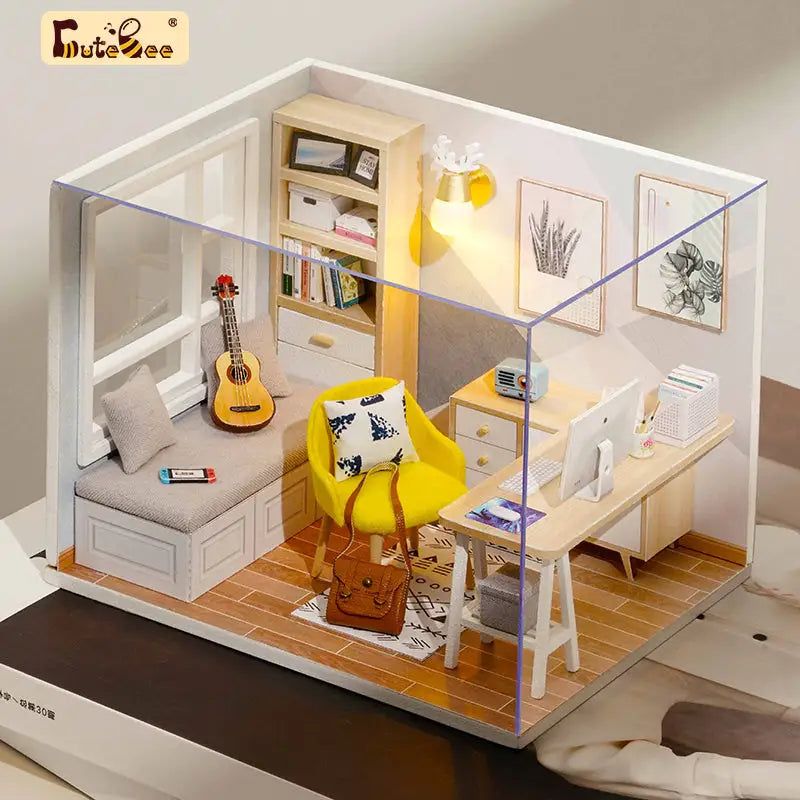
Most problems that stump first-time builders come down to glue quantity, lost small parts, curling wallpaper, and LED connector issues, every one of which has a simple, tested fix. Even seasoned builders run into snags. These are the most frequent hurdles community members report after finishing their first or second kit, along with the fixes that actually work.
Walls That Won’t Stay Square
This is almost always a glue-quantity issue. Apply a thin bead, press the joint, hold for 60 full seconds, then use washi tape as a brace while it cures for at least 20 minutes. Don’t rush to the next step. Miniature house kit assembly rewards patience above all other virtues. If you find a wall has dried at a slight angle, a thin blade slipped gently along the join while the glue is still slightly tacky (within the first 10 minutes) can correct it without damage.
Tiny Parts Disappearing
Build on a large white tray or a rimmed baking sheet. Light-colored surfaces make dropped parts visible instantly, and the raised rim stops tiny pieces from rolling off the table. Dozens of builders in our community swear by this simple trick. A secondhand baking sheet from a charity shop is genuinely one of the best miniature building accessories you’ll ever own.
Wallpaper Bubbles and Curling Edges
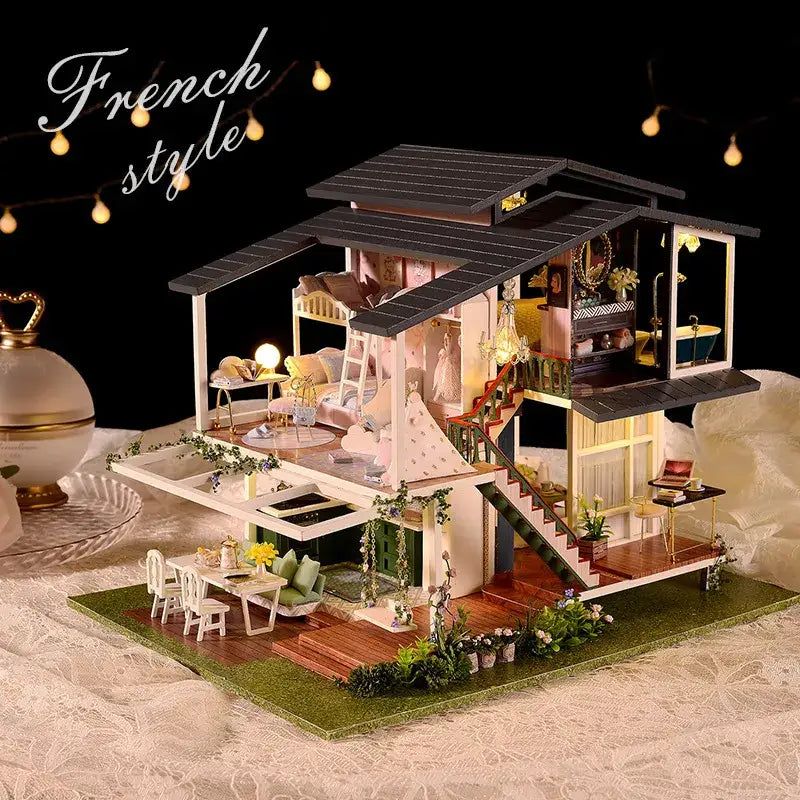
Pre-printed paper wallpaper shipped in rolls tends to curl. Gently pre-flatten each sheet under a heavy book for 30 minutes before cutting and applying. Use a thin, even layer of Mod Podge rather than white glue for a cleaner, bubble-free finish. Smooth from the center outward with a soft cloth, not your fingertip. This one small change makes a visible difference in how professional the finished interior looks.
LED Wiring Confusion
Intermediate and advanced kits with lighting circuits include wiring diagrams, but the diagrams can look intimidating if you’ve never done any electrical work. The good news: miniature house LEDs run on low-voltage battery packs, so there’s no safety risk at all. If a light doesn’t work after assembly, 90% of the time the fix is re-seating the wire connection rather than any wiring error. Check connectors before assuming a defective component. If you’d like more guidance on this specific step, our LED lighting guide walks through every connector type with photos.
How Long Does a Miniature House Kit Take to Build?
Build time ranges from 3-8 hours for a beginner kit to 15-30+ hours for an advanced one, with most builders spreading the work across multiple relaxed sessions rather than racing to finish. Time is probably the second most common question after difficulty. Here’s a realistic reference table based on kit complexity:
| Kit Level | Approximate Pieces | Build Time | Suggested Sessions |
|---|---|---|---|
| Beginner | 40-80 | 3-8 hours | 1-2 sittings |
| Intermediate | 80-200 | 8-16 hours | 3-5 sittings |
| Advanced | 200+ | 15-30+ hours | 6-12+ sittings |
One thing the table can’t capture: many builders deliberately stretch sessions out. Not because the kit demands it, but because the process is genuinely meditative. Fitting a tiny fireplace mantel into place, stepping back, and realizing it’s perfect feels like its own reward. The building time becomes part of the value, not an obstacle to the finished display piece.
Frequently Asked Questions about Miniature House Kit Difficulty
Everything you might be wondering (click a question to expand).
Are miniature house kits suitable for complete beginners with no craft experience?
Yes, with the right kit. Level 1 beginner kits are specifically designed for people with zero prior craft experience. The instructions are photo-based, all pieces are pre-cut, and the required tools are minimal. The main skills you’ll develop during the build are patience and light glue application, both of which come naturally after the first 30 minutes. Hannah built her first Victorian dollhouse kit on a rainy Sunday with no plan and no prior experience, and it’s precisely that accessible, rewarding quality that shaped everything this shop stands for.
What is the minimum age for building a miniature house kit?
Most manufacturers rate their beginner kits for ages 14 and up. Younger children (ages 8-13) can participate with close adult supervision, particularly during cutting and gluing steps. The fine motor demands of placing very small pieces make younger solo building challenging rather than impossible. Kits at 1:12 scale with larger parts are the most accessible for younger crafters. Shared building sessions between a parent and child are one of the most common ways families enjoy this hobby together.
Can I repair a miniature house kit if I make a mistake?
Almost always. Wood-glued joins can be carefully separated with a thin craft knife if the glue hasn’t fully cured (within the first 10-15 minutes). Dried glue can be scored and re-glued. Painted or stained surfaces can be touched up with a fine brush. The kits are forgiving. One misaligned wall panel rarely ruins a build, and the slight imperfections in handmade miniatures are part of what makes them feel personal rather than manufactured.
Do miniature house kits come with all the materials needed?
Most quality kits include wood panels, pre-printed wallpaper, fabric samples, furniture pieces, decorative accessories, LED lighting components, and detailed instructions. You typically need to supply your own wood glue, tweezers, and scissors. Some kits include glue; check the product listing to confirm. Our miniature house kit listings include a full “what’s included” breakdown on every product page.
How do I choose between a miniature house kit and a miniature room box kit?
A miniature house kit gives you a full exterior structure plus furnished interior rooms. A miniature room box kit focuses on a single, deeply detailed room scene without the exterior shell. Room boxes generally have lower part counts and slightly shorter build times, making them a popular entry point for crafters who want to test the hobby before committing to a full house build. Both formats deliver the same satisfying, focused building experience.
Are miniature house kits a good activity for stress relief and mindfulness?
Many builders describe the process as genuinely meditative. Focusing on small, precise tasks, one tiny piece at a time, quiets the kind of background mental noise that’s hard to switch off any other way. There are no notifications, no multitasking, and no rushing. You’re just present with the build. Psychologists refer to this state as flow, and craft activities that require gentle concentration are one of the most reliable ways to reach it. That quality is a big part of why so many builders say they were “just trying a hobby” and ended up with a shelf full of finished kits.
Choosing Your First Kit With Confidence
The right starting point is always a Level 1 or Level 2 build: approachable, satisfying, and almost guaranteed to leave you reaching for a second kit before the glue on the first one is fully dry. The question of whether miniature house kits are hard to build really comes down to one thing: matching the right kit to your current starting point. Difficulty is not fixed. It’s a dial you control by choosing the appropriate level. Pick a Level 1 or Level 2 kit for your first build, gather a few basic tools, set aside a full afternoon without distractions, and you’ll almost certainly finish it feeling like you want to start another one immediately. That’s the experience hundreds of builders in this community describe, and it’s exactly what happened to Hannah on that rainy Sunday in 2021 when one Victorian dollhouse kit turned into a whole shop.
Advanced builds are hard, but they’re hard in the way a 1,000-piece puzzle is hard: absorbing, satisfying, and completely worth the time invested. The challenge is the point. Browse the complete range of miniature house kits organized by difficulty level and use the “difficulty” filter to find your ideal first (or next) project. Every kit ships with a full parts list, illustrated instructions, and our build support guide so you’re never stuck without a resource to turn to. ✨