🎁 Buy 2 kits, get the 3rd FREE · Free shipping on every order

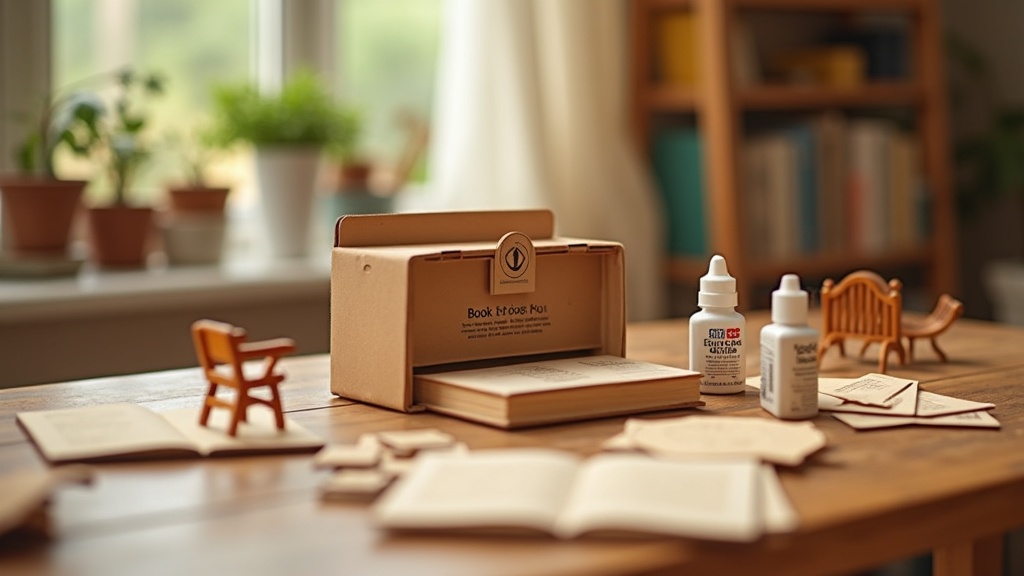
Do You Need Glue for a Book Nook Kit? Here’s the Honest Answer
Most book nook kits don't include glue, and knowing which adhesive to use for each material makes all the difference in your build. This guide covers PVA, super glue, hot glue, and decoupage medium, with brand recommendations, safety tips, and a pre-build shopping list so you're ready before your kit arrives.

Do you need glue for a book nook kit? Yes, and it’s one of the most common questions new builders ask before they crack open their first box. Most kits ship without it. That one small omission catches a lot of people off guard, especially if they’re expecting a truly all-in-one package. Here’s everything you need to know before you start building so nothing stalls your momentum mid-project.
What Most Book Nook Kits Actually Include (and What They Don’t)
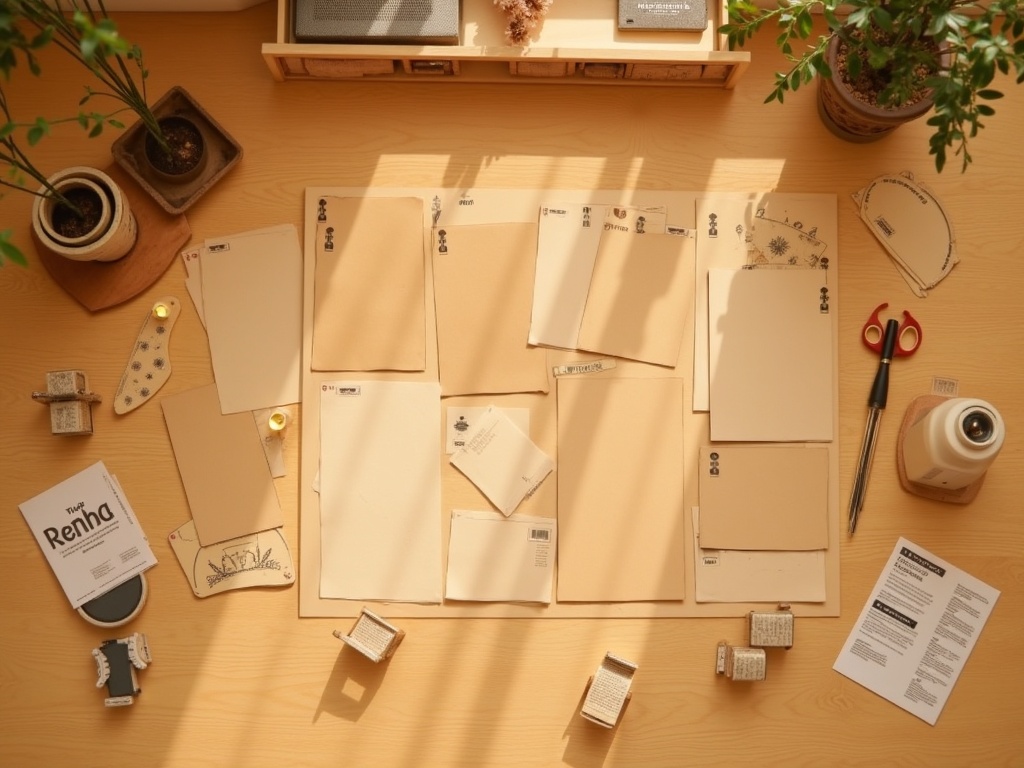
Most book nook kits include laser-cut wooden panels, paper backdrops, LED strip lights, miniature furniture, and accessories, but almost never include adhesive, which manufacturers routinely leave out due to shelf life, transit risks, and varying builder preferences. A typical book nook kit comes packed with laser-cut wooden panels, pre-printed paper backdrops, LED strip lights, miniature furniture, decorative accessories, and a set of instructions. That’s a generous haul. What’s almost universally absent from the box? Adhesive.
Manufacturers leave glue out for a few practical reasons. Adhesive has a shelf life, it can leak or harden in transit, and different builders prefer different bonding methods depending on how permanent they want the final result to be. Some people build a book nook to display for years. Others want to experiment, rearrange, and rebuild. The right glue depends heavily on that intent.
- Laser-cut MDF panels: need a strong wood glue or PVA adhesive
- Paper backdrops and printed scenes: need a lighter craft glue or a glue stick
- Small resin or plastic miniatures: often bond better with super glue (cyanoacrylate)
- Fabric or felt accents: work well with fabric-specific glue or a low-temp hot glue gun
One type of adhesive rarely covers all four categories well. That’s why experienced builders keep a small toolkit of glues on hand rather than relying on a single bottle.
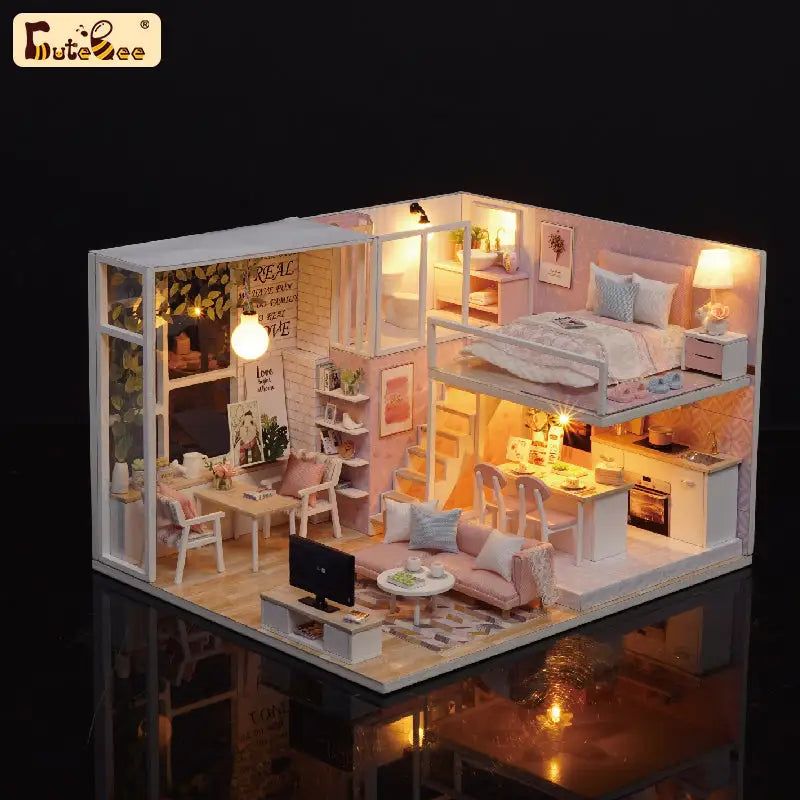
Beginner-friendly wood joints
Tranquil Life DIY Miniature House Kit
$67.90
A great first build for practicing PVA joints on MDF panels. Grab a bottle of Aleene’s Tacky Glue alongside and you’re fully set up.
The Best Glues for Book Nook Kits, by Material
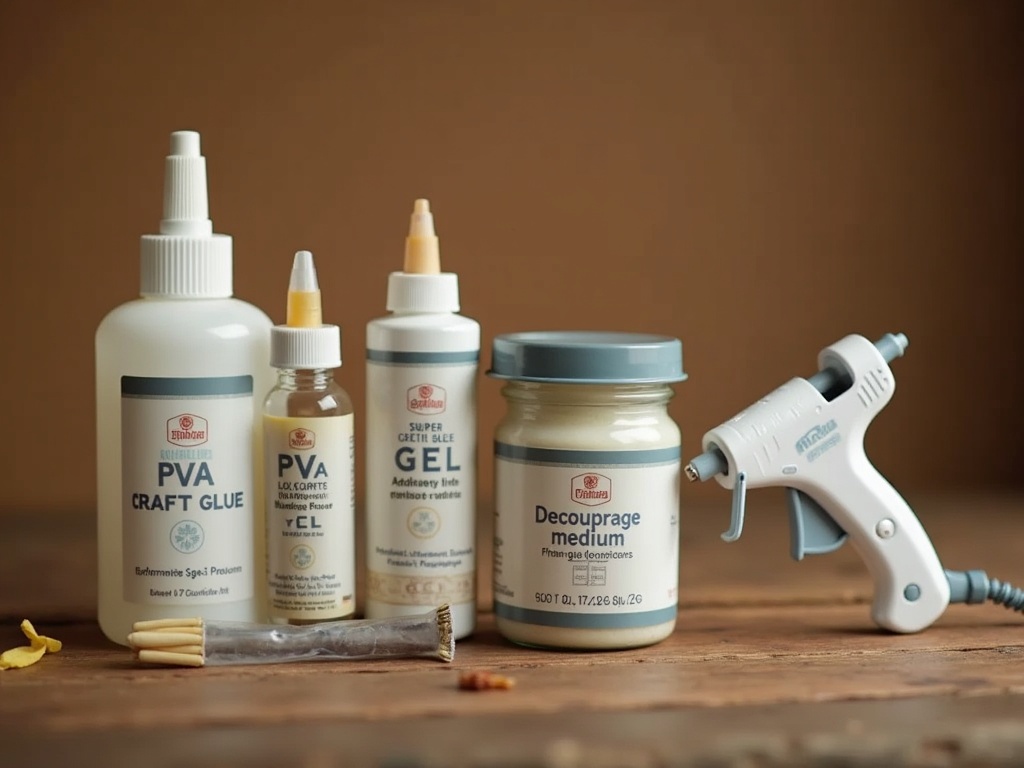
The best glues for book nook kits depend on the material you’re bonding: PVA for wood and paper, super glue gel for resin and plastic, hot glue for fabric and moss, and decoupage medium for large backdrop sheets. Choosing the wrong adhesive is the number-one reason miniature pieces warp, bubble, or refuse to bond cleanly. A little upfront knowledge saves a lot of frustration. The quick-reference table below captures the key differences at a glance, then each section goes deeper on technique.
| Adhesive | Best for | Dry / Cure time | Approx. cost | Reversible? |
|---|---|---|---|---|
| PVA / White craft glue | MDF panels, paper backdrops, balsa wood | Touch-dry 30-60 min; full cure 24 hr | $4-$8 | Yes (water + swab) |
| Super glue gel (cyanoacrylate) | Resin, hard plastic, metal findings | Sets in seconds; full strength ~1 hr | $5-$7 | Partly (acetone) |
| Hot glue (low-temp) | Moss, fabric, foam, rope bundles | Workable in 2-4 min | $8-$12 gun + sticks | Partly (peel when warm) |
| Decoupage medium | Large paper backdrop sheets, sealing layers | Dry 15-20 min; clear in 1 hr | $7-$10 | Yes (damp cloth while wet) |
| Glue stick | Small paper elements, labels, thin card | Instant tack | $2-$4 | Yes (repositionable types) |
PVA Glue (White Craft Glue) for Wood and Paper
PVA is the workhorse of book nook kit building. It bonds MDF and balsa wood panels firmly, dries clear, and remains slightly flexible once cured, which helps prevent cracking if the structure shifts slightly over time. Brands like Mod Podge, Elmer’s Glue-All, and Aleene’s Original Tacky Glue are widely available at craft stores across the US for around $4 to $8 a bottle. PVA also works beautifully for adhering paper backdrops to interior walls without bubbling, as long as you apply it in a thin, even layer and press the paper flat immediately.
Cyanoacrylate (Super Glue) for Small Resin and Plastic Pieces
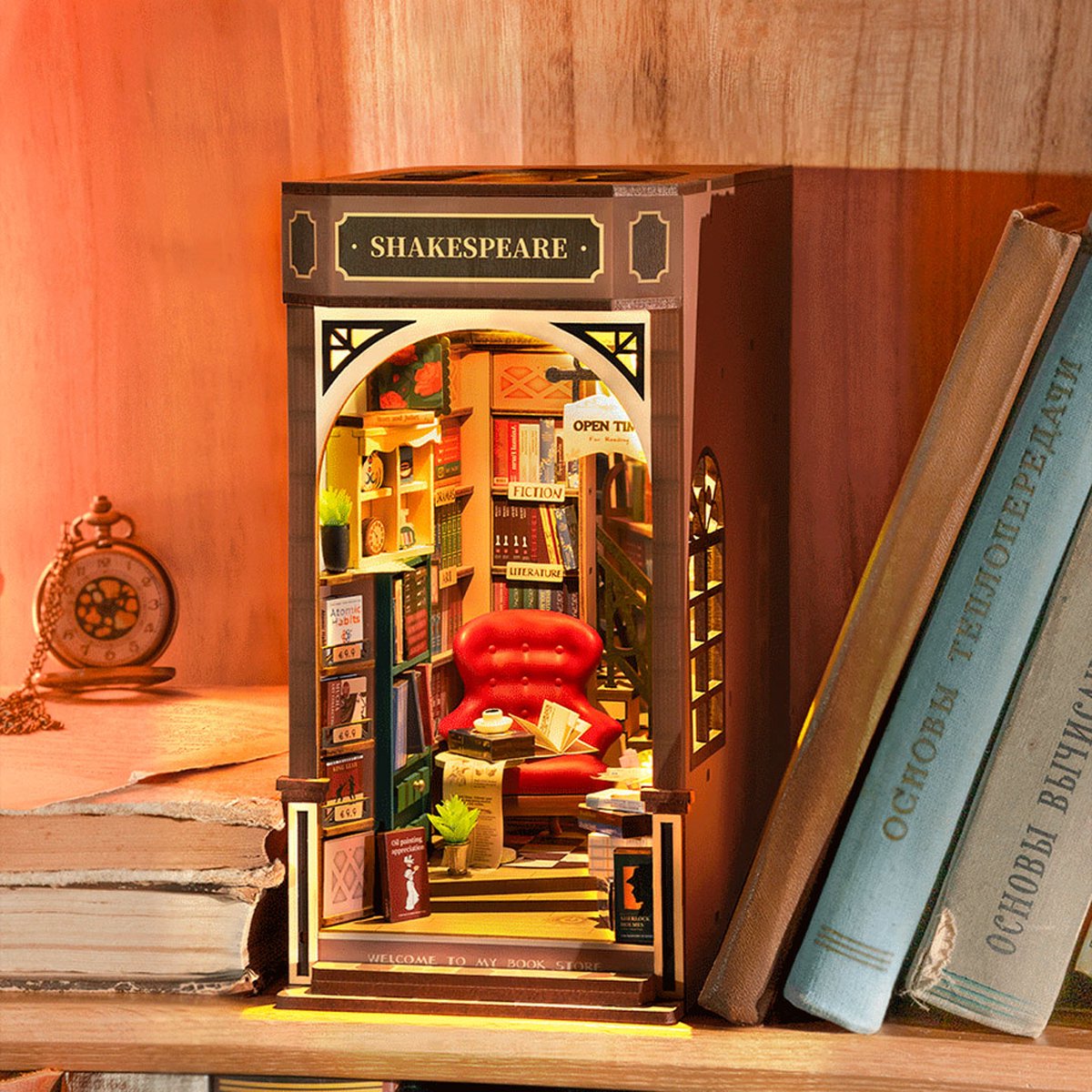
Explore the collection
All Book Nook Kits
76 handcrafted book nook kits, each listing specifying exactly what materials are included and what adhesives work best.
Those tiny chairs, lanterns, and bookshelf ornaments that come with a kit? PVA won’t cut it for most of them. Super glue creates an instant, rigid bond on non-porous surfaces like resin, metal findings, and hard plastic. Gorilla Super Glue Gel is a community favorite because the gel formula gives you a few extra seconds to position a piece before it sets. Use it sparingly. A single drop is genuinely enough for a miniature that’s the size of your thumbnail. Apply with a toothpick rather than squeezing directly from the tube; you get far more control and waste far less.
Hot Glue for Fabric, Moss, and Filler Materials
A low-temperature hot glue gun earns its place in the toolkit for anything soft or organic. Dried moss, fabric curtains, small rope bundles, and foam pieces bond quickly and hold without soaking through delicate materials. The low-temp setting (around 250°F versus the standard 380°F) is gentler on paper and thin wood veneer. Mini hot glue guns run about $8 to $12 and are worth every penny if you build more than one kit. One practical trick from our builder community: run a strip of wax paper under pieces while the hot glue cools; any stray strings peel off cleanly without pulling paint or paper with them.
Glue Sticks and Decoupage Medium for Backdrops
Applying paper scene panels without bubbles is one of the trickier parts of any book nook build. A standard glue stick works fine for small paper elements. For larger backdrop sheets, a thin coat of decoupage medium (Mod Podge Matte is the go-to) brushed onto the wooden surface first, then the paper laid down and smoothed from center outward with a flat credit card or bone folder, gives the cleanest result. Let it cure fully before layering any additional elements on top. The same medium can be brushed over the top of the finished paper layer as a sealing coat, which protects the print from humidity and fingertip smudges over time.
✨ Hannah’s tip
Clamp or rubber-band your main structural panels together for at least 30 minutes after gluing, even if the adhesive feels set in 5. MDF is porous and absorbs moisture from PVA glue, which can cause slight warping if you rush. A binder clip on each corner while the glue cures makes a noticeable difference in how clean your finished corners look. I learned this the hard way on my first Victorian dollhouse build on that rainy Sunday in 2021 when a back wall bowed just enough to misalign the roof.
Clamp or rubber-band your main structural panels together for at least 30 minutes after gluing, even if the adhesive feels set in 5. MDF is porous and absorbs moisture from PVA glue, which can cause slight warping if you rush. A binder clip on each corner while the glue cures makes a noticeable difference in how clean your finished corners look. I learned this the hard way on my first Victorian dollhouse build on that rainy Sunday in 2021 when a back wall bowed just enough to misalign the roof.
Do You Need Glue If Your Kit Has Snap-Fit or Slot-Together Panels?
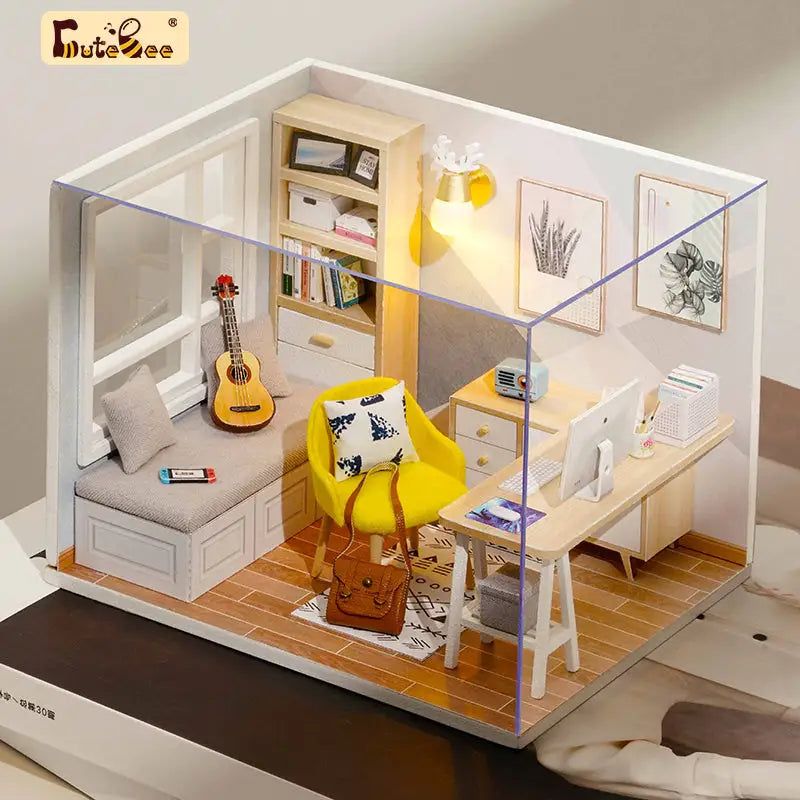
Slot-fit panels, great for beginners
Sun Room DIY Miniature House Kit
$49.99
This kit’s precise slot-and-tab joinery lets you dry-fit every wall before committing. A small bead of PVA on final assembly keeps it shelf-stable for years.
Even with snap-fit or slot-together panels, most experienced builders still add a small bead of PVA to the joints before final assembly, because slot joinery holds during construction but glue keeps the finished piece together for years. Some newer book nook designs use precision-cut slot-and-tab joinery, meaning the wooden panels slot together without any adhesive at all during the build phase. This is genuinely useful for first-time builders who want to dry-fit everything and confirm the structure makes sense before committing. Think of it like a dress rehearsal for your book nook.
Even with slot-fit panels, most experienced builders still add a small bead of PVA to the joints before final assembly. The reason is simple: a display piece that gets handled, moved between shelves, or shipped as a gift needs that extra security. The slot fit keeps it together during construction; the glue keeps it together for years.
Browse our book nook accessories and tools collection for adhesives, brushes, and finishing supplies that complement any kit in our range.
📜 Did you know?
The modern book nook hobby traces back to Japanese kamishibai street-theater boxes and early European shadow-box dioramas, both of which relied heavily on hand-applied adhesives and layered paper construction. Builders in the 1800s used paste made from flour and water to laminate thin wood veneer sheets, a technique not entirely unlike the decoupage methods crafters still use today.
The modern book nook hobby traces back to Japanese kamishibai street-theater boxes and early European shadow-box dioramas, both of which relied heavily on hand-applied adhesives and layered paper construction. Builders in the 1800s used paste made from flour and water to laminate thin wood veneer sheets, a technique not entirely unlike the decoupage methods crafters still use today.
🌿 Community insight
In our builder community, the single most-asked follow-up question after “do I need glue?” is “which glue for the tiny pieces?” The consistent community answer: super glue gel for anything smaller than a fingernail, PVA for everything structural. Keeping both within reach means you never pause mid-session hunting for the right bottle.
In our builder community, the single most-asked follow-up question after “do I need glue?” is “which glue for the tiny pieces?” The consistent community answer: super glue gel for anything smaller than a fingernail, PVA for everything structural. Keeping both within reach means you never pause mid-session hunting for the right bottle.
Glue Safety and Ventilation: What No One Mentions in the Instructions
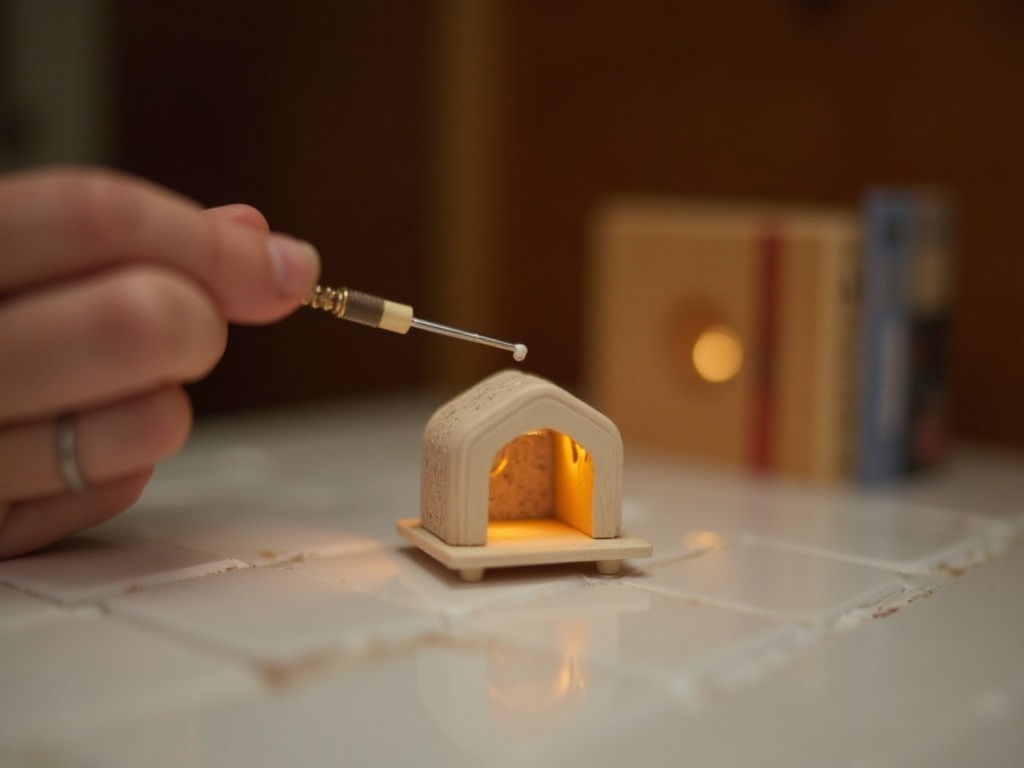
Glue safety matters more than most instructions acknowledge: PVA is low-odor and low-risk, but super glue fumes are a genuine irritant in enclosed spaces, and hot glue guns present a real burn risk if you’re working quickly near children or pets. Working with multiple adhesives in a small crafting space adds up faster than most people expect. PVA is water-based and low-odor, so ventilation is a minor concern. Super glue fumes, however, are an irritant, especially in enclosed spaces, and hot glue guns present a burn risk if you’re rushing or working near children or pets.
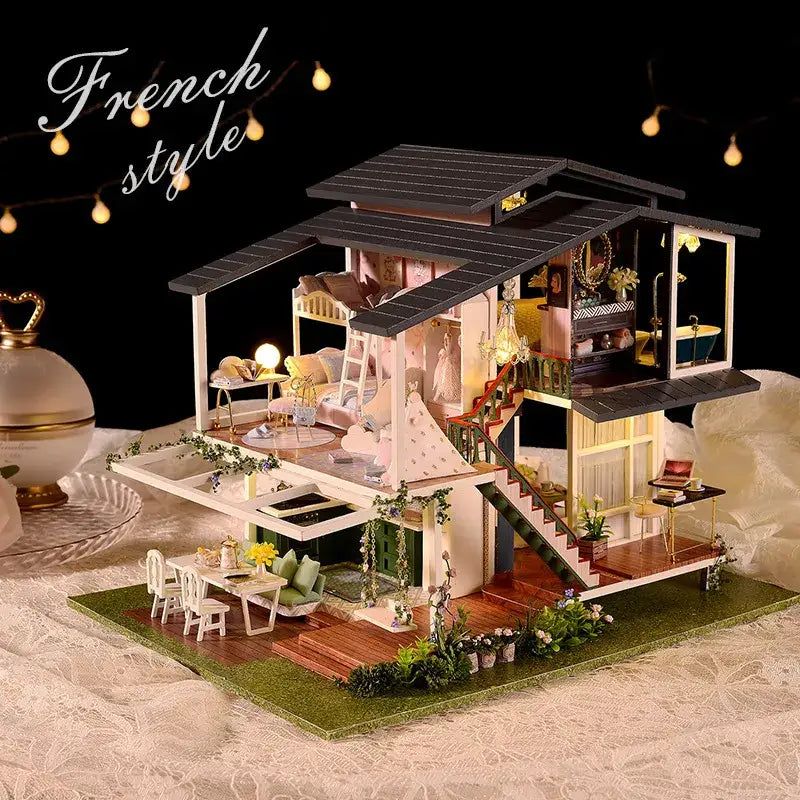
Rare in the niche
Miniature Greenhouse Kits
22 LED-lit greenhouse builds
These kits include acrylic panels alongside MDF, so you will need both PVA for the wood frames and super glue gel for the clear pane inserts.
A few habits that make the process safer and more relaxed:
- Work near an open window or with a small desk fan running when using cyanoacrylate
- Keep a damp cloth nearby for hot glue strings (they peel off tools and surfaces much more easily when the glue hasn’t fully cooled yet)
- Store super glue in its original packaging in a cool, dry spot. Heat causes the cap to seal permanently to the tube
- Use a toothpick or a fine-tip applicator bottle to place small drops of adhesive precisely on tiny miniatures
This is one of those builds where slowing down actually feels good. The repetitive, careful motions of applying glue, pressing pieces into place, and waiting for a bond to form are a big part of what makes book nook kit building so genuinely meditative. There’s no rushing a piece that wants to be beautiful.
Building Your Glue Kit Before Your Book Nook Arrives
Before your book nook arrives, gather PVA craft glue, super glue gel, decoupage medium, a mini hot glue gun, and fine-tip applicator bottles, a complete adhesive setup for roughly $27 to $42 that covers multiple builds. If you ordered a kit and it’s on its way, here’s the short list to gather at your local craft store or order online now. You won’t need all of these for every kit, but having them on hand means you never hit a wall mid-build:
- PVA or white craft glue (Aleene’s Tacky Glue or Elmer’s, $4-$8)
- Super glue gel (Gorilla Gel, $5-$7)
- Decoupage medium (Mod Podge Matte, $7-$10)
- Mini hot glue gun + glue sticks (low-temp, $8-$12 combo)
- Fine-tip applicator bottles for precise PVA application ($3-$5 for a pack)
Total spend: roughly $27 to $42 for a complete adhesive setup that will carry you through multiple kits. Spread across two or three builds, that’s a minimal investment for a seriously upgraded building experience.
Already have a kit picked out? Check out our crafting accessories to round out your supply list, from precision tweezers to LED connectors and beyond. If you’re still choosing your first kit, our book nook kits collection has options rated by difficulty from beginner-friendly to advanced, with each listing specifying what’s included and what you’ll want to have ready.
Frequently Asked Questions about Book Nook Glue and Adhesives
Everything you might be wondering (click a question to expand).
Does any book nook kit come with glue included?
A small number of beginner-oriented kits include a tube of PVA or a basic craft glue, but this is the exception rather than the rule. Most kits at all price points leave adhesive out of the box. Always check the product description’s “what’s included” list before assuming. Our product pages for every book nook kit call out exactly what comes in the box and what you’ll want to source separately.
Can I use a hot glue gun for the entire build?
Hot glue works well for soft materials like moss, fabric, and foam, but it’s not ideal for structural wooden panels or paper backdrops. The bond can be brittle under stress, and the thick application can create visible lumps on flat surfaces. Use it selectively rather than as a primary adhesive.
What happens if I glue a part in the wrong position?
With PVA glue, you have a short working window (roughly 5-10 minutes) before the bond becomes difficult to undo. If you catch a misplaced piece quickly, dampen the joint with a little water on a cotton swab and gently work the piece free. Super glue bonds are harder to reverse. Acetone (nail polish remover) breaks cyanoacrylate bonds on wood and metal, but test in an inconspicuous spot first since it can strip finishes and printed paper.
Is wood glue the same as PVA glue?
They’re closely related. Most white craft glues (PVA) and yellow carpenter’s wood glues share the same polyvinyl acetate base, but yellow wood glue is formulated with a stronger initial tack and a harder cure. For book nook panels, either works. PVA is slightly more forgiving for beginners because it dries slower, giving you more time to adjust pieces.
How long should I let glue dry before moving to the next step?
PVA is typically touch-dry in 30 to 60 minutes and reaches full cure strength in 24 hours. Super glue sets in seconds but reaches full strength in about an hour. Hot glue is workable within minutes. For structural joints that bear the weight of the full build, the safest approach is to glue major sections the night before and let them cure overnight before adding decorative layers.
Do I need different glue for a book nook kit versus a miniature house kit?
The same four-adhesive toolkit (PVA, super glue gel, hot glue, decoupage medium) covers both. The main practical difference is scale: book nooks tend to have more intricate paper backdrop layers that benefit from careful decoupage technique, while larger miniature house kits have bigger structural panels where a strong PVA and proper clamping matter more. The principles are identical.
One Last Thing Before You Start Building
Preparation is part of the craft: builders who lay everything out, read the instructions once before touching a single piece, and gather their adhesives ahead of time turn a potentially frustrating build into a genuinely peaceful one. The question of whether you need glue for a book nook kit has a straightforward answer, but what I love about it is the slightly bigger conversation it opens up: preparation is part of the craft. The builders who enjoy this hobby most aren’t just reactive, grabbing supplies at the last minute. They lay everything out, read through the instructions once before touching a single piece, and gather their adhesives ahead of time.
That five-minute prep habit turns a potentially frustrating build into a genuinely peaceful one. Each panel clicks or glues into place with intention. Each tiny miniature gets positioned exactly where you want it. When the LED lights go on for the first time and the little scene glows through your bookshelf, all that careful preparation is exactly what made it look that good.
Explore our full range of book nook accessories, including curated tool sets built around what our community actually reaches for on build day. Your next kit deserves the right setup from the very first step. ✨