🎁 Buy 2 kits, get the 3rd FREE · Free shipping on every order


Best Dust Cover for Book Nook: Acrylic Boxes, Glass Domes, and What Actually Works
A complete guide to the best dust cover for a book nook, comparing acrylic display boxes, glass domes, DIY framed panels, and sealed shadowbox frames. Includes sizing tips, cleaning advice, and a quick-reference comparison table to help crafters protect their builds long-term.

You spent weeks on that book nook. The lighting is perfect, the tiny plants look impossibly real, and every miniature detail tells a story. Then three months later, a fine grey film settles over the whole scene and the magic dims. Picking the best dust cover for a book nook is one of the most practical decisions you can make after finishing a build, and it’s far less straightforward than it sounds.
This guide breaks down the real options: acrylic display boxes, glass domes, hybrid framed panels, and a few DIY approaches that work better than most crafters expect. Whatever your shelf setup or budget, there’s a solution here that won’t ruin your sightlines or suffocate the atmosphere you worked so hard to build.
Why Book Nooks Need Protection (and Why Most Crafters Wait Too Long)

Book nooks need protection because dust settles in recessed details within 4-6 weeks, UV light fades painted surfaces, and physical contact from pets or curious hands can damage a build you want to last years, a cover addresses all three threats at once. I learned this the hard way with my first Victorian dollhouse build. I left it uncovered for about six weeks while I fussed over a few finishing touches, and by the time I went to photograph it, the window ledges had a visible grey film and one of the paper lampshades had started to yellow at the edges. Now I fit a cover the same week a build is finished. Dust is the obvious culprit, but it shares the blame with two other threats that are just as damaging over time.
Direct sunlight fades painted surfaces and yellows resin details within months. Curious fingers, pets on shelves, and the general chaos of a lived-in home all take a toll on a build you want to last years. A proper cover addresses all three threats at once.
- Dust accumulation: Fine particles settle in recessed areas like window frames and foliage within 4-6 weeks in an average home.
- UV degradation: Even ambient window light can fade pigments over a 6-12 month period.
- Physical contact: The depth of a book nook makes it hard to notice a knocked figurine without looking closely.
The good news: the right cover can actually improve the display. A clean acrylic or glass front creates a small-stage effect, sharpening the sense that you’re peering into another world.
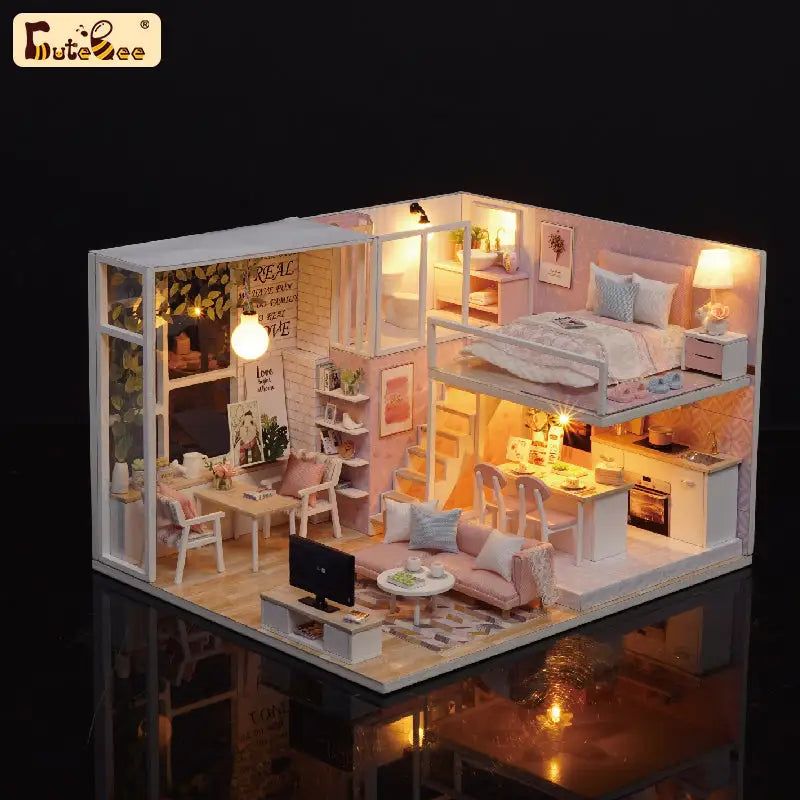
Bestseller cottage kit
Tranquil Life DIY Miniature House Kit
$67.90
The Tranquil Life kit’s cottage silhouette fits neatly inside a standard 7″ x 7″ x 3.5″ acrylic box with just the right clearance. It’s one of the easiest builds to protect well from day one.
Acrylic Display Boxes: The Most Versatile Option
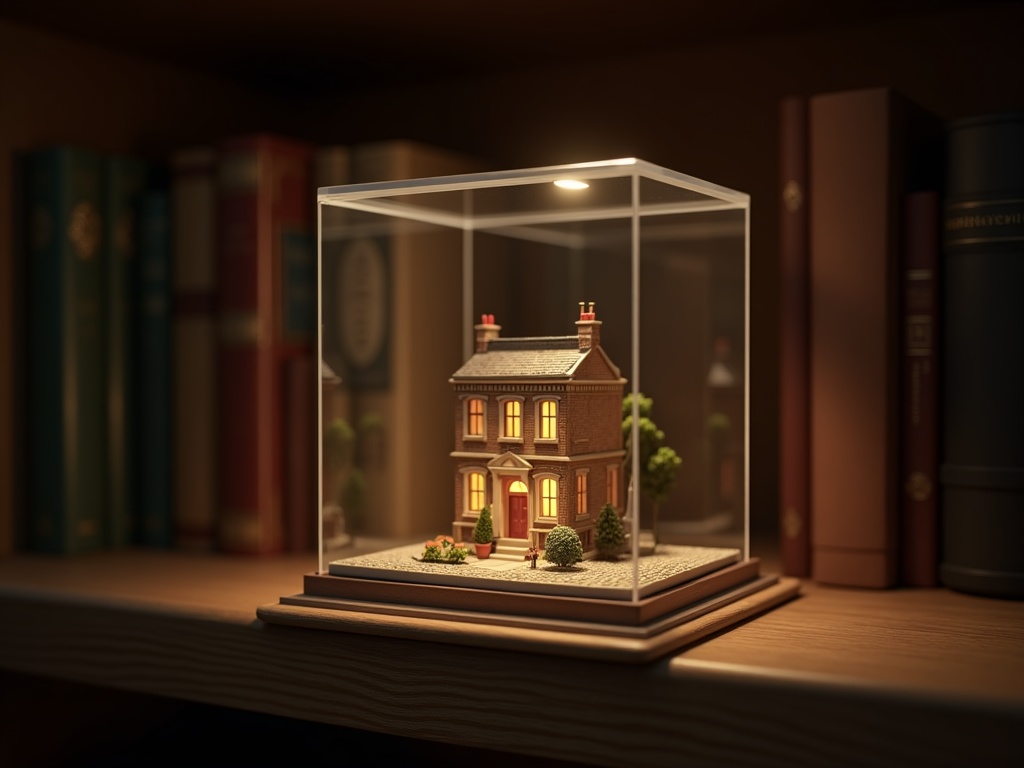
Acrylic display boxes are the most versatile dust cover for book nooks: they’re lightweight, available in custom sizes, and cost between $15 and $60, making them the go-to choice for builders who want reliable, clear protection without compromising the view. Acrylic boxes have become the go-to choice for book nook dust protection among builders who share their work online. They’re lightweight, available in custom sizes, and can be sourced for anywhere between $15 and $60 depending on thickness and dimensions.
What to Look for in an Acrylic Box
Thickness matters more than most listings make clear. Panels thinner than 2mm flex visibly and scratch at the first wipe. A 3mm panel holds its shape on spans up to about 12 inches wide. For larger builds, 4mm or 5mm acrylic is worth the extra cost.
- Clear vs. anti-glare: Standard clear acrylic gives the sharpest view but catches reflections. Anti-glare (matte-coated) acrylic softens reflections at the cost of a very slight haziness, which most builders find acceptable.
- Open-back vs. enclosed: An open-back box slides over the nook from the front, allowing the book spine surround to remain in place. Fully enclosed boxes seal all six sides and are better for long-term storage or high-humidity environments.
- Magnetic closures vs. friction fit: Magnetic closures on a removable front panel are the most convenient for builds you update regularly.
One practical tip: order your acrylic box after measuring twice, with at least half an inch of clearance on all sides beyond your outermost details. Tight fits trap humidity and make cleaning harder.
✨ Hannah’s tip
When you receive a new acrylic box, peel the protective film slowly and clean both sides with a microfiber cloth dampened with a tiny drop of dish soap before placing it over your build. Dry electrostatic charge on fresh acrylic attracts dust instantly. A quick anti-static cloth wipe keeps it clear for weeks longer between cleanings.
When you receive a new acrylic box, peel the protective film slowly and clean both sides with a microfiber cloth dampened with a tiny drop of dish soap before placing it over your build. Dry electrostatic charge on fresh acrylic attracts dust instantly. A quick anti-static cloth wipe keeps it clear for weeks longer between cleanings.
Best Sizing for Standard Book Nook Kits

Explore the collection
All Book Nook Kits
76 handcrafted book nook kits
Not sure which kit fits your shelf? Every product page lists the assembled dimensions, so you can measure up your acrylic box before you even open the kit box.
Most book nook accessories and display add-ons are designed around the common 6″ x 6″ x 2.5″ (D) footprint, but actual builds vary. Measure the assembled nook, including any overhanging elements like awnings or protruding signs, before ordering. A box that’s 7″ x 7″ x 3.5″ covers the most popular kit sizes with comfortable clearance.
Glass Domes: Beautiful, Specific, and Worth Knowing About
Glass domes suit book nooks with a compact square or circular profile, roughly 5″ x 5″ or smaller, and transform the display into something that reads like a museum piece; rectangular vitrine options exist but typically cost $40 to $90 and are harder to source. Glass domes carry a visual elegance that no acrylic box can match. If your book nook has a roughly square or circular front profile and sits on a shelf with some vertical clearance above it, a glass dome transforms the whole display into something that reads almost like a museum piece.
The practical constraints are real, though. Standard glass cloches are designed for spherical or cylindrical objects. A rectangular book nook doesn’t fit neatly under a round dome unless the nook itself is relatively compact, around 5″ x 5″ or smaller. Rectangular glass display cases (sometimes sold as vitrine boxes or “shadow box covers”) are available but harder to source and more expensive, typically $40 to $90.
When a Glass Dome Actually Makes Sense
- Miniature single-room builds with a square or circular opening, like a circular porthole nook or a compact cottage scene.
- Builds placed on a dedicated wooden base, where the dome can seal directly onto the base edge.
- Gift presentations, where the dome’s visual drama communicates the value of the piece before the recipient even looks closely.
📜 Did you know?
Glass display domes (cloches) were originally popularized in Victorian England to protect taxidermy specimens and wax fruit arrangements. By the 1880s, no respectable parlor was without at least one. The same impulse that drove that tradition, preserving a carefully arranged miniature world from the entropy of daily life, is exactly what drives book nook collectors today. Craft historians note that the Victorian era also saw the first mass production of miniature room boxes, a direct ancestor of the modern book nook kit.
Glass display domes (cloches) were originally popularized in Victorian England to protect taxidermy specimens and wax fruit arrangements. By the 1880s, no respectable parlor was without at least one. The same impulse that drove that tradition, preserving a carefully arranged miniature world from the entropy of daily life, is exactly what drives book nook collectors today. Craft historians note that the Victorian era also saw the first mass production of miniature room boxes, a direct ancestor of the modern book nook kit.
DIY and Hybrid Options That Punch Above Their Price
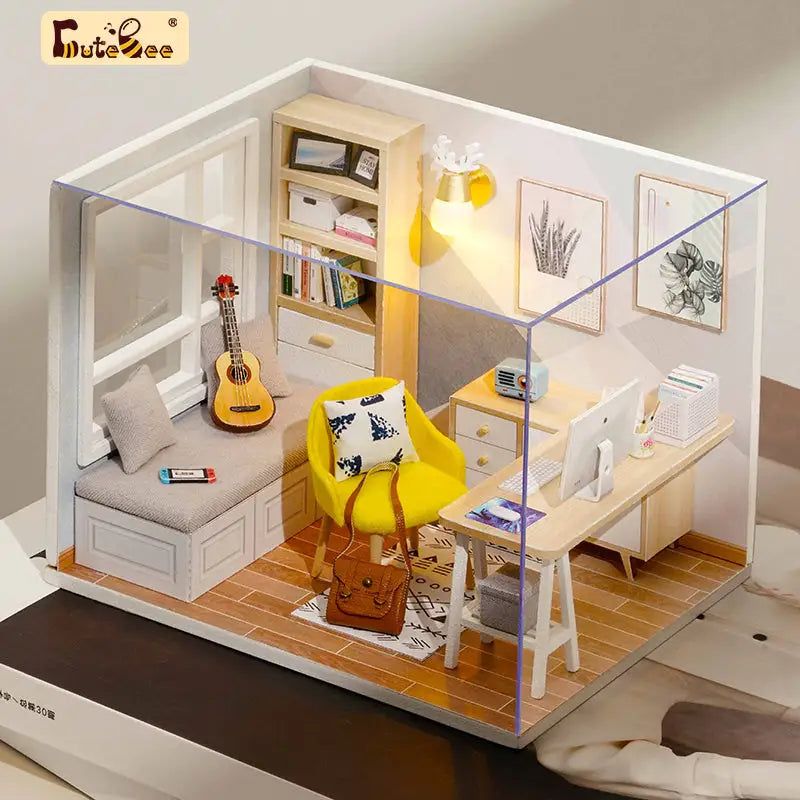
Easy starter under $50
Sun Room DIY Miniature House Kit
$49.99
If you’re just starting out, the Sun Room is an ideal first build to protect: its clean rectangular silhouette fits standard acrylic boxes perfectly, and the bright interior lighting looks brilliant behind clear 3mm acrylic. No custom sizing needed.
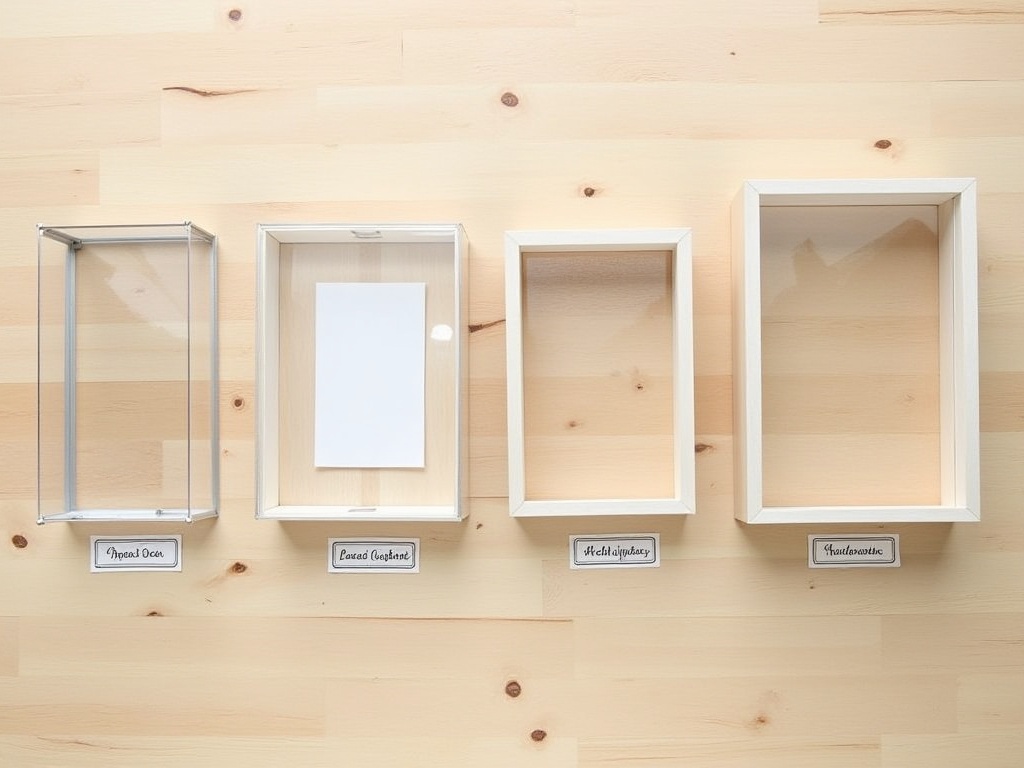
DIY dust covers, framed Plexiglass panels, acrylic shelf risers with a front lip, and sealed shadowbox frames, genuinely work well for book nooks, especially for crafters whose shelf layout makes a purpose-made box awkward to fit. Not every build needs a purpose-made cover. Several DIY approaches work genuinely well, especially for crafters who enjoy the process of solving a display problem as much as building the nook itself.
Framed Plexiglass Panels
A thin Plexiglass panel cut to size at a local hardware store (usually under $10 for a small piece) can be mounted in a simple frame and hung in front of the nook on small standoff screws. This approach works beautifully for nooks that are built directly into a bookshelf, where a box would be awkward. The panel sits flush with the shelf face, nearly invisible, and protects the build from direct contact and most airborne debris.
Display Shelf Risers with Integrated Covers
Some crafters pair their book nooks with acrylic shelf risers that have a short front lip, creating a partial barrier that catches the most common disruptions: bumped figurines and pet paws, without fully enclosing the scene. It’s a compromise, but a practical one for builders who photograph their nooks frequently and don’t want to lift off a full box every time.
Sealed Shadowbox Frames

Rare in the niche
Miniature Greenhouse Kits
22 LED-lit greenhouse builds
Our greenhouse kits have open-front silhouettes that pair especially well with museum-depth shadowbox frames. The glass front becomes part of the display, framing the foliage like a living painting.
A deep shadowbox frame (3″ to 4″ depth) with the glass front retained can double as both a display frame and a dust cover for flat or shallow book nook builds. The glass is non-negotiable here: acrylic glazing in cheaper frames scratches too easily. Look for frames marketed as “museum depth” or “collector frames” in craft stores.
Comparing Your Options: A Quick Reference
The best dust cover for a book nook depends on your build’s size and shelf setup: acrylic boxes ($15, $60) handle most cases, glass domes ($20, $90) suit compact showpiece builds, and DIY framed panels ($5, $20) solve shelf-specific problems no off-the-shelf product handles gracefully. Here is a side-by-side breakdown of every option covered in this guide.
| Cover Type | Price Range | Best For | Limitations |
|---|---|---|---|
| Acrylic box (clear) | $15-$60 | Most kit sizes, active builders | Scratches over time, glare |
| Acrylic box (anti-glare) | $25-$70 | Lit nooks, photography | Slight haze, harder to source |
| Glass dome / cloche | $20-$90 | Small square/round nooks, gifts | Shape constraints, heavier |
| Framed Plexiglass panel | $5-$20 | Built-in shelf nooks | DIY skill required |
| Sealed shadowbox frame | $18-$50 | Shallow or flat builds | Depth limit (~4″) |
Keeping Your Cover Clean Without Damaging Your Build
Keep your book nook cover clean by using a dedicated acrylic cleaner or microfiber cloth, never paper towels, which create micro-scratches that cloud the surface within 6 to 12 months, and clear the build itself with compressed air once or twice a year. A cover only works if you actually maintain it. The most common mistake is using paper towels on acrylic, which creates micro-scratches that accumulate into a cloudy haze over 6 to 12 months. Use a dedicated acrylic cleaner or a clean microfiber cloth every time.
- For acrylic boxes: Novus Plastic Polish No. 1 is a reliable go-to. Buff in circular motions, never linear strokes.
- For glass domes: Standard glass cleaner works. Spray onto the cloth first, never directly onto the dome, to avoid overspray landing inside the nook.
- For the build itself: A can of compressed air, held 6-8 inches away, clears dust from recessed areas without touching fragile details.
Once or twice a year, remove the cover entirely and do a thorough pass on the build with compressed air before any settling debris has time to bond with painted surfaces. Many crafters tie this cleaning ritual to the same satisfaction of a build session: slow, deliberate, meditative in its own way. There’s something genuinely pleasurable about lifting the cover off, giving everything a careful pass with compressed air, and setting it back down to glow again behind clean acrylic.
If you’re building a new nook and want to explore what pairs well with a protective display setup, browse our full range of book nook accessories, including LED lighting strips, miniature props, and finishing materials that hold up better under long-term covered display conditions.
Premium collector piece
Monet’s Garden DIY Miniature House Kit
$155.00
A build at this level deserves serious protection. The Monet’s Garden kit’s intricate floral details and hand-painted surfaces are exactly what a quality glass cloche or 5mm anti-glare acrylic box was made for. Protect the investment and the artistry.
Frequently Asked Questions about Dust Covers for Book Nooks
Everything you might be wondering (click a question to expand).
Can I use a regular fish tank or terrarium as a dust cover?
Yes, with some creativity. A small open-top glass terrarium flipped upside down over a book nook creates an excellent sealed display. The main challenge is finding one that fits your nook’s footprint precisely. Measure carefully and look for terrariums with flat, smooth lips that sit flush on a flat shelf surface. The visual result can be stunning, especially for forest or garden-themed builds.
Will an acrylic cover affect the lighting inside a lit book nook?
Standard clear acrylic transmits around 92% of visible light, compared to glass at roughly 90%. In practice, you won’t notice the difference with the naked eye. Anti-glare acrylic drops transmission slightly more, which can soften the perceived brightness of warm LED strips but rarely causes a problem with well-lit builds. If your lighting is already dim, clear acrylic is the better call.
How do I stop static electricity from attracting dust to my acrylic box?
Anti-static sprays, sold in electronics and photography supply stores, are the most effective solution. A single application lasts 2 to 4 weeks in dry climates. Alternatively, a very light wipe with a dryer sheet (unscented, to avoid residue transfer to your build) neutralizes the static charge temporarily. This is the same trick professional scale model collectors use.
What’s the best dust cover for a book nook that sits between actual books?
This is the trickiest configuration because a box that extends beyond the shelf depth looks awkward. A thin framed Plexiglass panel mounted flush with the shelf face is usually the cleanest solution. Alternatively, some builders use a magnetic acrylic panel that attaches directly to small rare-earth magnets embedded in the book nook’s front frame during construction, creating an almost invisible protective barrier that lifts off for photography.
Are there ready-made dust covers designed specifically for book nooks?
A growing number of specialty craft suppliers now offer custom-cut acrylic covers sized to popular kit dimensions. Check our accessories collection for currently available options that pair with specific kits. For unusual or scratch-built nook dimensions, a custom laser-cut acrylic shop is your best bet: many offer online configurators where you input your measurements and receive a finished panel within a week.
How soon after finishing a build should I add a dust cover?
As soon as the build is fully dry and any glue or paint has cured completely, usually 24 to 48 hours after the final session. I made the mistake of waiting weeks on my first Victorian dollhouse build while I fiddled with finishing touches, and a grey film had already settled into the recessed window ledges by the time I got around to covering it. Protecting the build early costs nothing and saves a lot of careful cleaning later. If you’re still tweaking, a loose-fitting acrylic box resting in place (not sealed) is much better than leaving it fully exposed.
The Right Cover Completes the Build
Choosing a book nook dust cover is less about finding a perfect off-the-shelf product and more about matching the right format to your nook’s size, shelf layout, and how often you want to interact with the scene, acrylic boxes cover most cases, glass domes shine on special builds, and DIY panels solve shelf-specific problems. Choosing the best dust cover for a book nook that actually fits your build is less about finding a perfect off-the-shelf product and more about matching the right format to your specific nook size, shelf configuration, and how often you want to interact with the scene. Acrylic boxes cover the majority of use cases and offer the best balance of clarity, cost, and accessibility. Glass domes earn their place for smaller, special builds where visual impact matters as much as function. DIY framed panels solve problems that no off-the-shelf product handles gracefully.
Here’s the thing nobody tells you when you’re deep in a build: the protection step is part of the craft. Choosing a cover thoughtfully, fitting it carefully, keeping it clean: these aren’t chores you do after the creative work is finished. They’re how you tell yourself (and everyone who looks at your shelf) that this tiny world is worth preserving. That shift is worth every dollar and every minute you spend on it.
Whatever you choose, the moment you place a clean, well-fitted cover over a finished nook and step back to look at it from across the room, the whole thing shifts. It stops looking like a craft project and starts looking like a permanent installation.
Ready to finish your current build or start a new one? Browse our full accessories range, or check out our guide to choosing the right LED lighting for book nooks to make sure your scene looks its best behind any cover you choose. ✨