🎁 Buy 2 kits, get the 3rd FREE · Free shipping on every order

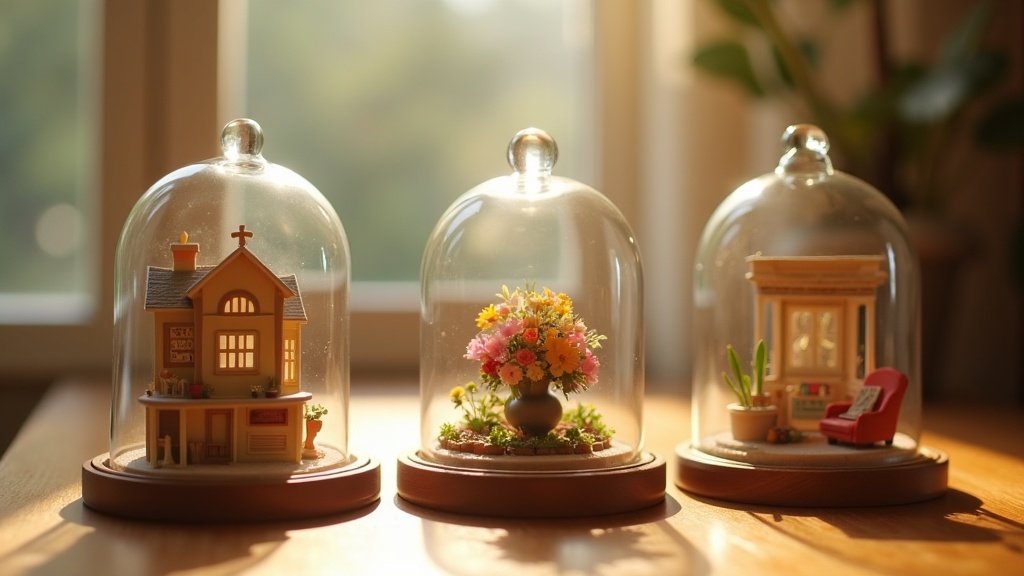
Glass Domes for Miniature Displays: Sizes, Materials, and Where to Find the Right One
A complete guide to choosing a glass dome for miniature display: bell, cloche, and oval shapes explained; glass vs. acrylic compared; standard sizes mapped to 1:12 and 1:24 scales; base material options; and where to buy quality domes in 2026.

Choosing the right glass dome for miniature display is one of those decisions that feels small until you get it wrong. I learned that lesson the hard way when I finished my first Victorian dollhouse kit on a rainy Sunday in 2021, set it proudly on the shelf, and watched three weeks of careful work slowly disappear under a fine layer of dust. A well-chosen dome is not just a protective cover; it turns a tiny handcrafted scene into a finished object, something you frame and protect and hand to someone as a gift, or keep on a shelf where it catches afternoon light. The right dome signals to anyone who sees it: this is something worth preserving.
This guide walks through everything that actually matters when selecting a glass dome for miniature display: the shapes and sizes that fit standard miniature kits, what separates glass from acrylic over years of real use, how bases complete the visual story, and where to source quality pieces without guessing. By the end, you will know exactly which dome belongs with the scene you built.
Why the Dome Shape Matters More Than You Think

The dome shape you choose directly controls how a viewer reads your miniature scene: a tall bell dome creates drama for vertical builds, a wide cloche suits multi-figure tableaux, and the wrong silhouette can flatten even the most carefully crafted composition. Most hobbyists go straight for the classic round bell dome, and honestly, it works beautifully for a single figurine or a small floral arrangement. But the shape affects how a viewer perceives the scene inside. A tall, narrow dome draws the eye upward, making vertical compositions look dramatic. A wide, low cloche dome is better for multi-figure tableaux or room boxes with furniture arranged across a flat base. Getting this choice right before you buy saves you from a return shipment and a week of waiting.
Here are the main silhouettes you will encounter:
- Bell dome (round): The most versatile shape for a glass dome for miniature display. Works for 1:12 and 1:24 scale single-room scenes, floral displays, and holiday vignettes. Typically 4 to 10 inches tall.
- Rectangular / lantern dome: Ideal for long, narrow dioramas like a row of miniature shops or a library wall. Rare but worth hunting for specialty scenes. These pair especially well with our book nook kits, where the rectangular footprint mirrors the shelf-insert format naturally.
- Cloche (flat-top cylinder): A French patisserie staple that translates beautifully to food-themed miniatures. The flat top is stackable and storage-friendly.
- Oval dome: Slightly wider than it is deep, giving a natural-looking framing for landscape vignettes or bedroom scenes with a bed as the centerpiece.
- Dome on pedestal: Base and dome sold as one unit. The pedestal adds height and formality, perfect for gift presentation without a separate stand.
Knowing your scene’s footprint before buying saves a lot of frustration. Measure the widest point of your completed build (with furniture pushed to the edges) and add at least half an inch of clearance on each side. If you are working from one of our miniature house kits, the recommended dome dimensions are listed directly on each product page.
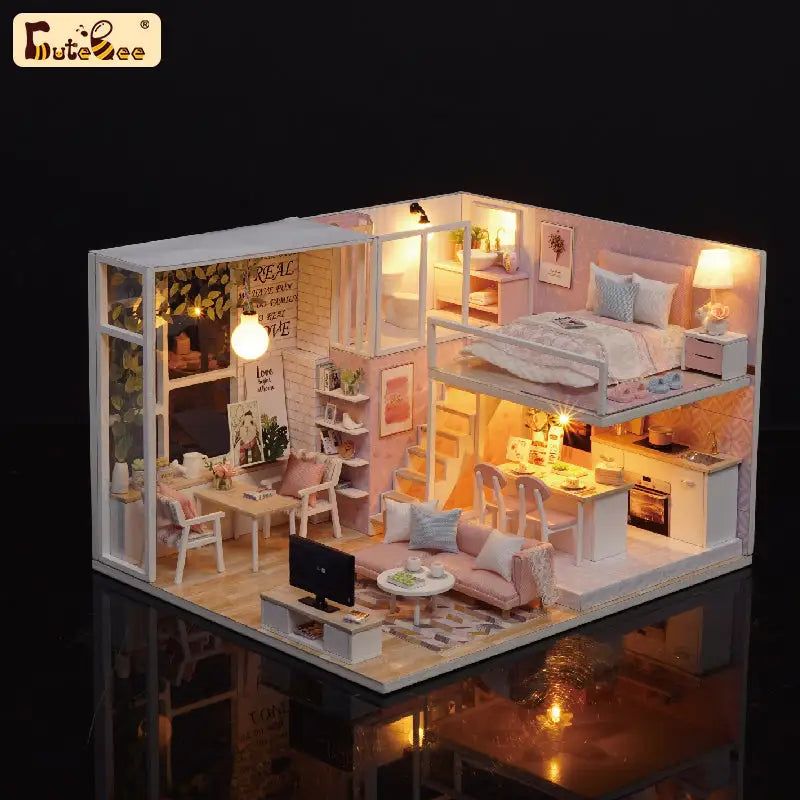
Bestseller cottage kit
Tranquil Life DIY Miniature House Kit
$67.90
This freestanding cottage scene sits beautifully under a standard 8″ x 6″ bell dome, product page lists the exact interior clearance you need.
Glass vs. Acrylic: a Practical Comparison for Miniature Display Domes
Glass stays optically clear for decades without yellowing or scratching, while acrylic is lighter and shatter-resistant but develops haze over time; the right choice depends on where the display will live and how often it will be handled. The material question comes up constantly in our community, and the answer is genuinely “it depends on how you’ll use it.” Here is how the two materials actually behave over months and years of real display life, not just on the day you unbox them.
Real Glass Domes
Glass gives optical clarity that acrylic simply cannot match over time. A glass dome for miniature display stays crystal-clear for decades; it does not yellow, does not scratch from casual dusting, and does not develop a static charge that pulls dust particles into the display. The weight gives it a satisfying, permanent feel on the shelf. When Hannah first switched from an acrylic cover to a proper glass bell dome on her Victorian build, the difference was immediately visible in photos: no more faint surface haze, no more static-attracted debris on the interior surfaces.
The trade-offs are real. Glass is heavier, more fragile during shipping, and generally costs more. For a display that will travel to craft fairs or be mailed as a gift, that fragility matters. A padded box is non-negotiable, and double-boxing is worth the extra cardboard.
Acrylic (Plexiglass) Domes
Acrylic is lighter and shatter-resistant, which makes it the practical choice for children’s rooms, classroom displays, or any scene that might get bumped. It scratches more easily, though, and after a few years of UV exposure it can develop a slight haze. Anti-static spray helps with the dust issue, but it is an ongoing maintenance step rather than a permanent fix. For UV-sensitive builds (painted paper elements, dyed fabrics, delicate hand-mixed pigments), museum-quality UV-filtering acrylic is worth every extra dollar.
For gift builds meant to be displayed on a dresser or bookshelf by someone who is not a crafter, glass is almost always the better choice. For your own workshop samples or portable display pieces, acrylic’s durability earns its place.
📜 Did you know?
Glass bell jars became a household staple in Victorian England during the 1850s, originally used to protect wax fruit arrangements and taxidermy specimens from dust. By the 1880s, they had migrated from scientific laboratories (where they served as vacuum chambers) into parlor decor. The same silhouette that protected a Victorian family’s treasured curiosities is now the most popular format for a glass dome for miniature display, more than 170 years later.
Glass bell jars became a household staple in Victorian England during the 1850s, originally used to protect wax fruit arrangements and taxidermy specimens from dust. By the 1880s, they had migrated from scientific laboratories (where they served as vacuum chambers) into parlor decor. The same silhouette that protected a Victorian family’s treasured curiosities is now the most popular format for a glass dome for miniature display, more than 170 years later.
If you are building one of our book nook kits and plan to display it on a shelf between real books, a slim rectangular acrylic case tends to integrate more cleanly than a round dome; the straight edges align with the book spines and keep the whole shelf looking intentional rather than crowded.
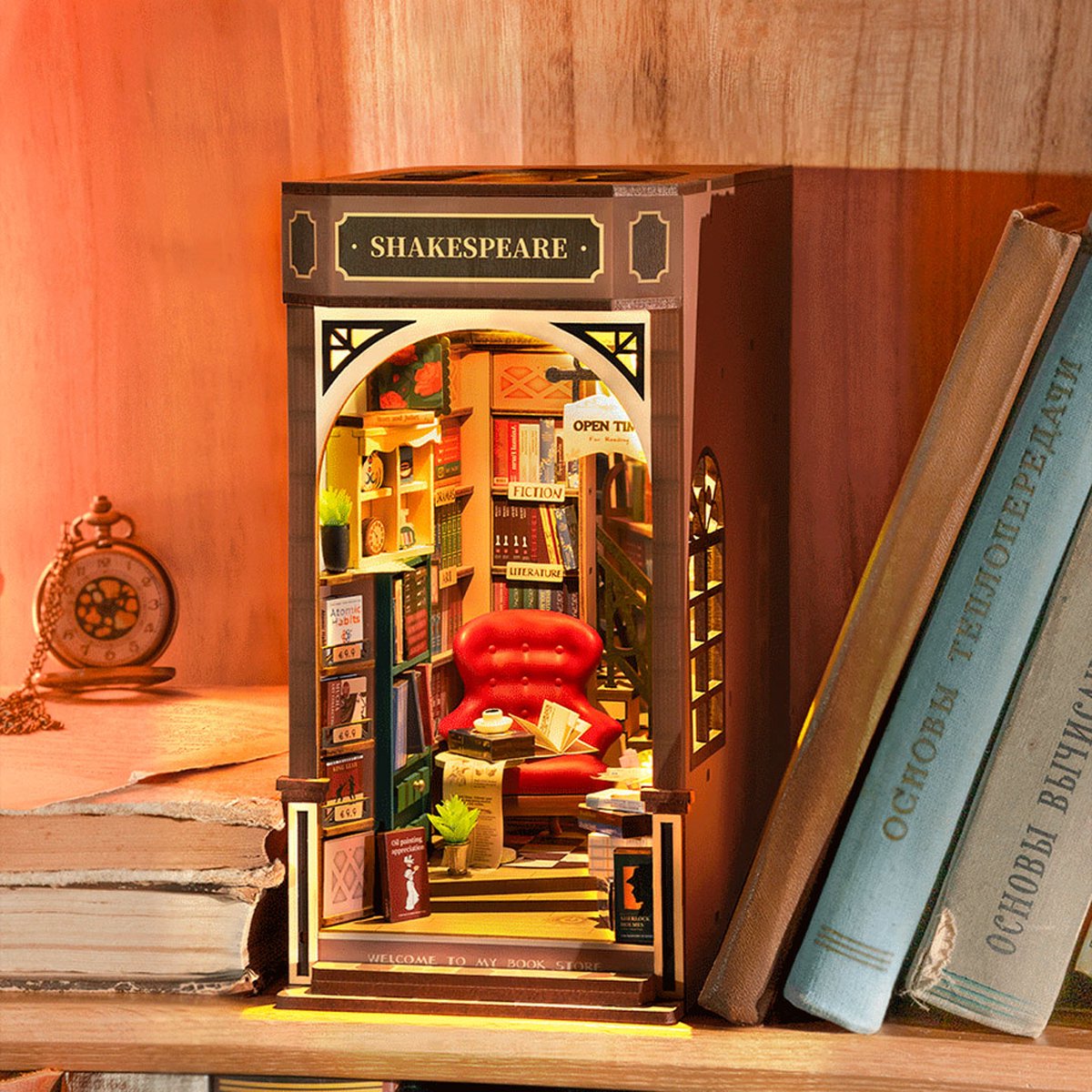
Explore the collection
All Book Nook Kits
76 handcrafted book nook kits
Each kit page notes whether a bell dome or a rectangular acrylic case suits the finished build, so you can order both together in one go.
Standard Sizes and What Fits Inside Them
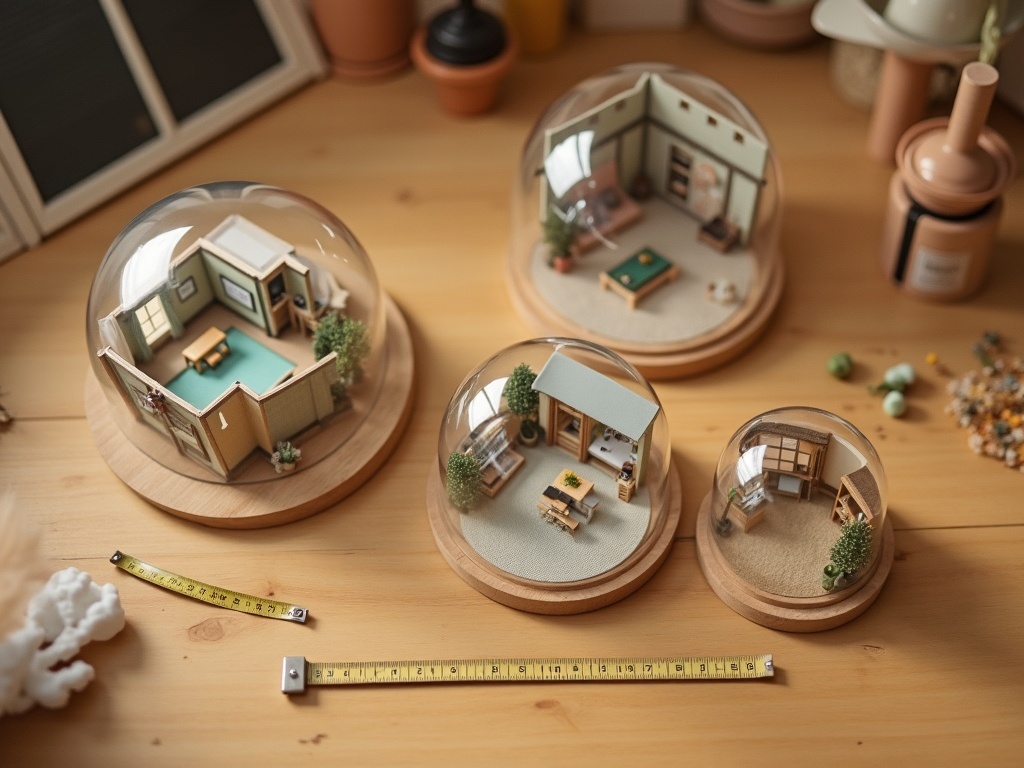
The most popular size for standard 1:12 single-room miniature builds is the 8-inch tall by 6-inch diameter bell dome; always check interior clearance, not the outer diameter, because the rim thickness can cost you half an inch of critical headroom. Sizing is where most beginners get tripped up. The dome measurement listed by a seller usually refers to the outer diameter and total height, not the interior clearance. Always ask or check the specs for the interior dimensions. A dome listed as “8 inches tall” may have interior clearance closer to 7.5 inches once the rim thickness is accounted for; that half-inch matters when your tallest piece of furniture is already pushing the ceiling.
Here is a practical reference for the most common sizes:
| Dome Size (H x D) | Best Scale / Scene Type | Notes |
|---|---|---|
| 4″ H x 3″ D | 1:48 or 1:24 single figurine | Ideal for a single cake stand, vase, or fairy figure |
| 6″ H x 5″ D | 1:24 small room or 1:12 vignette | Fits most compact miniature kit scenes |
| 8″ H x 6″ D | 1:12 single-room builds | The most popular size for standard dollhouse kits |
| 10″ H x 8″ D | 1:12 furnished rooms with tall furniture | Wardrobes, grandfather clocks, tall bookshelves |
| 12″ H x 10″ D | Large 1:12 or oversized showcase builds | Gives dramatic visual weight to gift pieces |
For kits that come in a box format (with three walls and a floor rather than a free-standing scene), a rectangular acrylic display case is often a smarter match than a round bell dome. The dome works best when the build is fully three-dimensional, not attached to a backing panel.
✨ Hannah’s tip
Before buying a dome, set your finished miniature on a sheet of paper and trace around it. Then cut a circle of paper to the dome’s interior diameter and lay it over your trace. If the dome circle covers the whole scene with room to spare on all sides, you are good. I have seen so many builds where a single chair leg sticks a quarter inch past the base edge, and the dome cannot close flush. That extra tracing step takes 30 seconds and saves a return shipment.
Before buying a dome, set your finished miniature on a sheet of paper and trace around it. Then cut a circle of paper to the dome’s interior diameter and lay it over your trace. If the dome circle covers the whole scene with room to spare on all sides, you are good. I have seen so many builds where a single chair leg sticks a quarter inch past the base edge, and the dome cannot close flush. That extra tracing step takes 30 seconds and saves a return shipment.
Base Materials and How They Affect the Display
Easy starter under $50
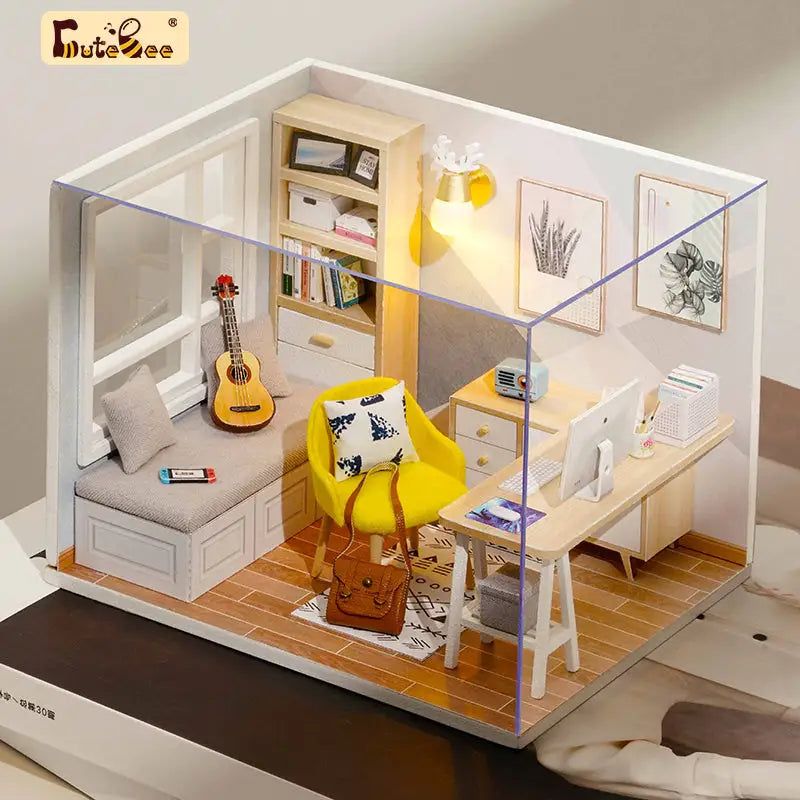
Sun Room DIY Miniature House Kit
$49.99
A freestanding scene that sits beautifully on a natural wood base under a 6″ x 5″ bell dome. Great first project for practicing your display setup before committing to a larger build.
The base material determines whether your dome sits flush for a dust-tight seal, how the finished piece photographs, and whether the overall display looks like a considered whole or an afterthought; choosing it deliberately is as important as choosing the dome itself. The base is not an afterthought. It anchors the whole visual composition and determines whether the dome sits flush (critical for dust protection) and whether you can secure your miniature scene to it permanently. A mismatched base is the most common reason a finished display looks slightly off even when the build itself is beautiful.
Wood Bases
A wooden base for miniature display domes is the classic choice. Natural wood adds warmth, pairs well with both rustic and elegant miniature styles, and is easy to stain, paint, or cover with decorative paper. Most glass dome sets sold for craft use include a wood base. Look for bases with a routed groove or rubber gasket seat so the dome rests securely without rocking. Unfinished basswood bases are particularly satisfying to customize because they absorb stain evenly and sand to a glass-smooth finish with minimal effort.
Marble and Resin Bases
Marble bases elevate the presentation for gift pieces. A real marble base adds weight that prevents the dome from being knocked over accidentally, and it photographs beautifully for social sharing. Resin “faux marble” bases replicate the look at a fraction of the weight and cost; the difference is barely perceptible in photos, which matters for crafters who document their builds for social sharing or online communities.
Custom Painted or Decoupage Bases
One of the most satisfying parts of this hobby is that you can theme the base to match the scene. A miniature beach cottage build looks wonderful on a base painted in washed-out driftwood blue. A Victorian parlor scene feels complete on a base covered with aged book pages. If you browse our miniature display accessories collection, you will find unfinished wooden bases specifically sized for our kits, ready for your own surface treatment. Matching the base finish to your miniature’s color palette is the detail that makes the whole piece look like it was always meant to be displayed that way.
Rare in the niche
Miniature Greenhouse Kits
22 LED-lit greenhouse builds
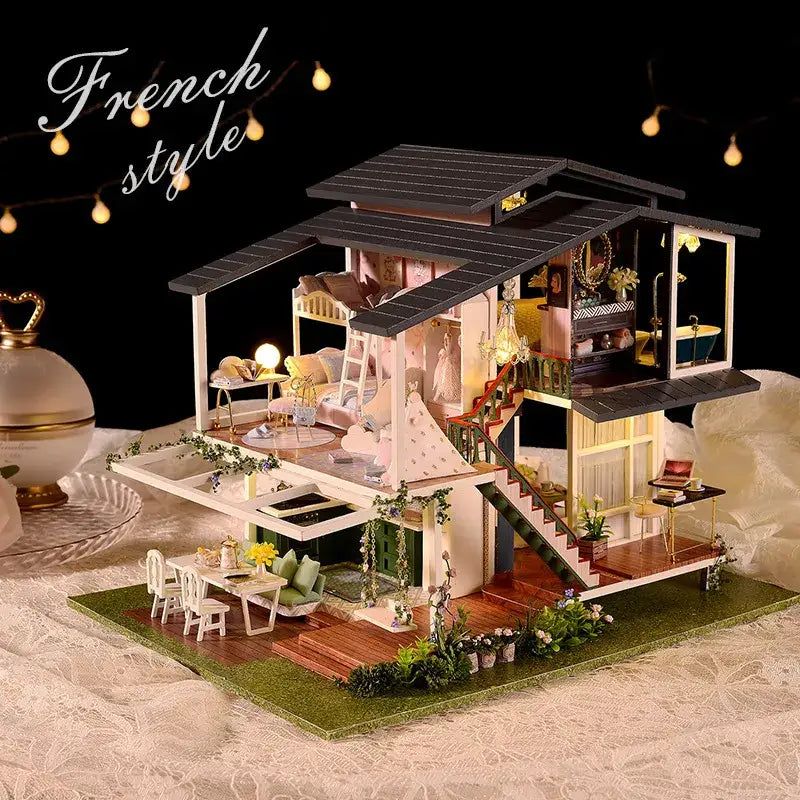
These lush, plant-filled scenes pair naturally with an oval dome and a marble-effect resin base for a truly finished presentation. The LED lighting already included in each kit means you are already halfway there.
Protective Display Cases: When a Dome Is Not the Right Format
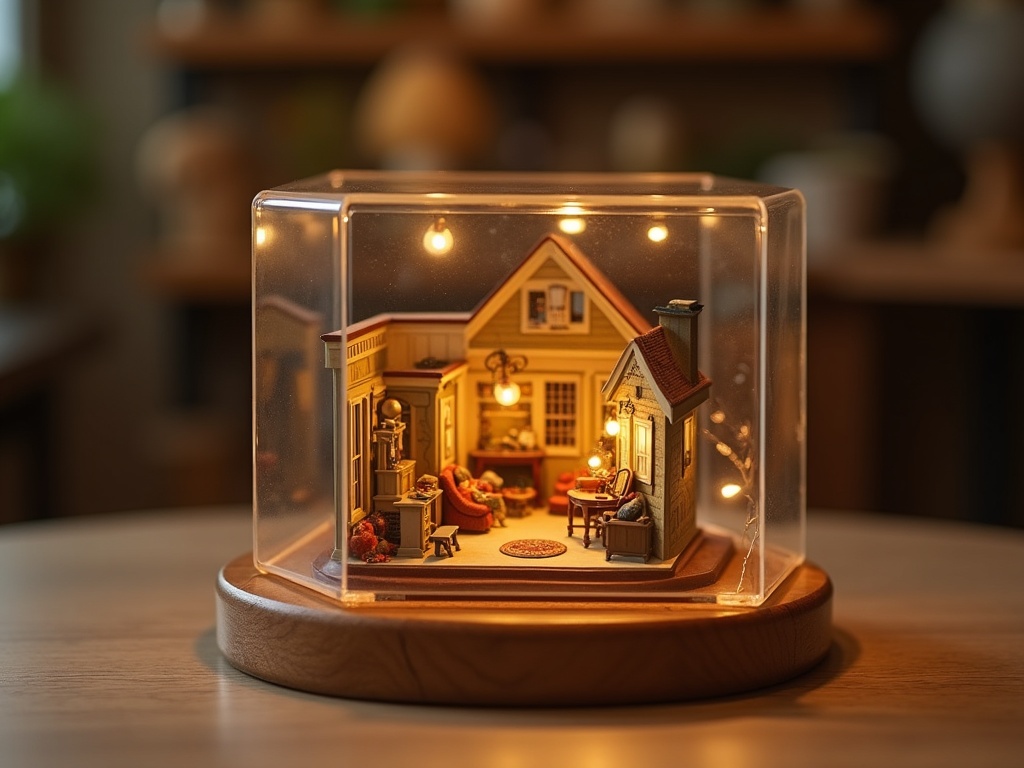
When your miniature kit is built inside a box structure rather than as a freestanding scene, a three-sided acrylic display case or five-panel box protects the build just as effectively as a bell dome while preserving the open-front viewing angle that box formats need. Round domes suit freestanding scenes, but a significant portion of popular miniature kits are built inside a box structure. For those, a three-sided acrylic display case or a five-panel acrylic box (open at the back or sealed) keeps dust out while preserving the open-front viewing angle. These are often called “shadow box covers” or “miniature room display cases,” and they function just as a glass dome for miniature display does for round builds, protecting months of careful work without obscuring a single detail.
When shopping for protective display cases for miniature room boxes, check that the acrylic thickness is at least 3mm. Thinner than that and the panels flex visibly, which looks cheap and can cause warping over time. Magnetic closures are a nice quality indicator; snap-fit or adhesive-only closures tend to fail at corners after repeated handling.
For large dioramas and finished kits you are proud of, pairing a fitted display case with a dedicated display base and lighting accessory from the same collection keeps everything consistent in scale and finish. LED strip lighting tucked under a base edge can be a genuinely transformative touch, casting warm light upward through the dome or case and giving the whole scene a golden, gallery-quality glow.
Where to Buy a Glass Dome for Miniature Display
The safest place to buy a display dome for miniature work is a specialty craft or miniature retailer that lists interior dimensions and sells dome options sized to specific kit standards, so you can order the kit and dome together in one go. Quality varies widely across marketplaces. Here is where to look and what to watch for at each source:
- Specialty craft and miniature retailers: The best option for getting domes sized to specific kit standards. Descriptions include interior dimensions, and customer photos show real miniatures inside. Our own accessories collection includes curated dome options matched to our kit dimensions, so you can order the kit and the dome in the same basket.
- Etsy shops specializing in display props: Good for unusual shapes (oval, rectangular, pedestal styles) and custom sizes. Read reviews carefully; shipping fragile glass from small sellers carries risk. Ask sellers about packaging before ordering.
- Craft chain stores (Michaels, Hobby Lobby): Convenient for standard sizes. Stock rotates seasonally, with the widest selection around the holiday gift season (October through December). Prices are competitive but interior dimension specs are often absent from packaging.
- Wholesale home decor suppliers: Sites like Afloral or dedicated terrarium suppliers stock large quantities of consistent glass domes and often have size options that craft retailers do not carry. Minimum orders can be high, but splitting an order with a crafting group brings the per-unit cost down significantly.
- Amazon: Broad selection and fast shipping, but quality control is inconsistent across listings. Filter by reviews that include photos and specifically mention miniature or terrarium use. Avoid listings without stated interior dimensions.
For anyone building one of our miniature display kits, we note the recommended dome size directly on each kit product page. That removes the guesswork entirely and means you can order both the kit and the right glass dome for miniature display together before you even pick up a brush.
Premium collector piece
Monet’s Garden DIY Miniature House Kit
$155.00
This lush garden scene is one of our most-gifted builds. The product page recommends a 10″ oval dome and a marble-effect base, so the display looks as considered as the build itself.
Frequently Asked Questions about Glass Domes for Miniature Displays
Everything you might be wondering (click a question to expand).
What is the most popular dome size for standard 1:12 scale miniature kits?
The 8-inch tall by 6-inch diameter bell dome covers most standard 1:12 single-room builds comfortably. If your kit includes tall furniture like a wardrobe or four-poster bed, size up to 10 inches tall to avoid your tallest piece pressing against the glass. When in doubt, check the individual kit page on our site; we list the recommended dome dimensions for every build we carry.
Can I use a terrarium dome for a miniature display?
Yes, with one caveat: terrarium domes are designed to be opened and closed repeatedly for plant care, so their bases often have drainage holes or loose-fitting lips. Check that the base is solid and that the dome seats flush before committing. A seamless seal is important for dust protection. If the base has drainage holes, fill them with wood filler and sand smooth before gluing down your miniature scene.
How do I clean a glass dome without scratching it?
Use a soft microfiber cloth lightly dampened with water. Avoid paper towels (they scratch glass more than people expect) and any cleaner containing ammonia, which can etch glass surfaces over time. For the interior, a long-handled soft brush clears dust without requiring you to dismantle the display. If you need to clean smudges from inside, a cotton swab dampened with isopropyl alcohol reaches into corners without disturbing the scene.
Is a wooden base or a marble base better for a gift display?
Marble (or high-quality resin marble) photographs better and feels more premium in hand, which matters for a gift. A wooden base is more customizable if you want to paint or decoupage it to match the scene’s theme. Both work; the choice comes down to whether the recipient values elegance or personalization. For a gift you are mailing, note that a real marble base adds significant weight and shipping cost; a resin faux-marble base looks nearly identical in photos and ships for a fraction of the price.
Do glass domes actually protect miniatures from UV fading?
Standard clear glass blocks very little UV. If your miniature includes painted paper, dyed fabrics, or hand-painted surfaces, keep it away from direct sunlight regardless of the dome. UV-filtering acrylic (sold specifically as museum-quality display acrylic) offers meaningful protection and is worth the extra cost for a build you spent 30 or more hours on. Positioning your display away from south-facing windows is the simplest and most effective precaution.
How do I attach my miniature scene securely to the base before placing the dome?
The most reliable method is a small bead of clear silicone adhesive or a few dots of museum putty under the base of each heavy piece (furniture, structure). Silicone stays flexible so it does not crack if the base shifts slightly with temperature changes, and it peels cleanly if you ever want to reconfigure the scene. Avoid super glue for this step; it bonds permanently and can damage a painted or stained wood base if you need to remove a piece later.
Choosing a Glass Dome for Miniature Display: the Short Version
Choose dome shape first to match your scene’s composition, then confirm interior clearance dimensions, then select a base material that adds to the story; all three decisions made in the right order produce a display that reads as intentional from across the room. There is a quiet satisfaction in setting a finished miniature scene inside a well-chosen dome, closing it, and stepping back to look. The dome does not just protect the build; it completes it. Getting there is a matter of three decisions made in the right order: shape first (match the silhouette to the scene’s composition), then size (always measure interior clearance, not the outer diameter), then base material (add to the story rather than distract from it). When all three elements align, the whole display reads as intentional, and that intentionality is exactly what makes handcrafted miniature work so compelling to anyone who encounters it.
If you are just starting out, the miniature house kits in our collection each include dome size guidance so you can order everything at once. If you are an experienced builder looking for the perfect glass dome for a scene you have already completed, our display accessories collection has bases, domes, and LED lighting options sized to work together from day one. Either way, the right dome is closer than you think.
Browse our full range of display accessories for miniature kits to find bases, domes, and lighting options sized to work together right out of the box.