🎁 Buy 2 kits, get the 3rd FREE · Free shipping on every order

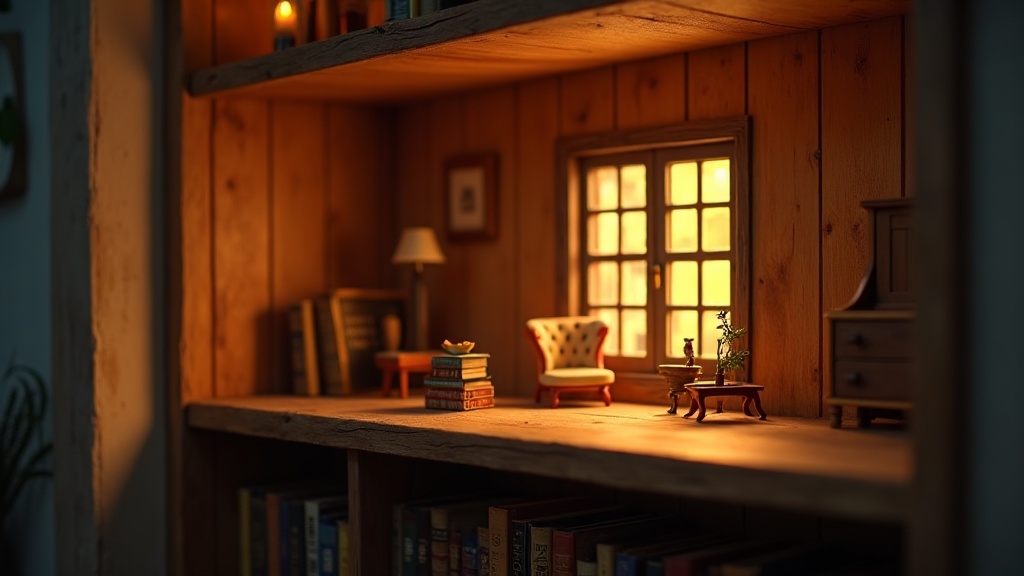
How to Protect Your Book Nook from Sunlight (and Keep It Looking New)
UV light quietly fades the paints, papers, and resin elements that make book nook builds so special. This guide covers every practical layer of protection: choosing the right display spot, applying UV-resistant varnish, picking the safest LED lighting, and rotating builds to give them seasonal rest.

You spent weeks on that build. The tiny wallpaper is perfectly aligned, the miniature lampshade glows just right, and the worn wooden floors look exactly like you imagined. Then you notice it three months later: the colors are fading, the resin is yellowing, and the fabric accents have lost their richness. Protecting your book nook from sunlight is one of the most overlooked steps in long-term display care, and it is absolutely worth getting right before damage sets in.
I learned this the hard way. The first build I ever finished, a little Victorian dollhouse I assembled on a rainy Sunday in 2021, lived happily on a south-facing shelf for about four months before I noticed the deep burgundy wallpaper had shifted to a muted rose. The resin window panes had the faintest yellow tint. Nothing catastrophic, but enough to sting after all that careful work. That experience is honestly why UV protection became the first thing I now think about before placing any finished piece on display.
UV rays are relentless. They don’t require direct sun exposure to do their work. Ambient daylight through a window, overhead fluorescent lighting, even certain LED strips can degrade painted surfaces, dye-based papers, and clear acrylic pieces over time. The reassuring thing: a few well-chosen habits keep your miniature scene looking vibrant for years, and none of them require a lot of time or money.
Why UV Light Damages Book Nook Materials
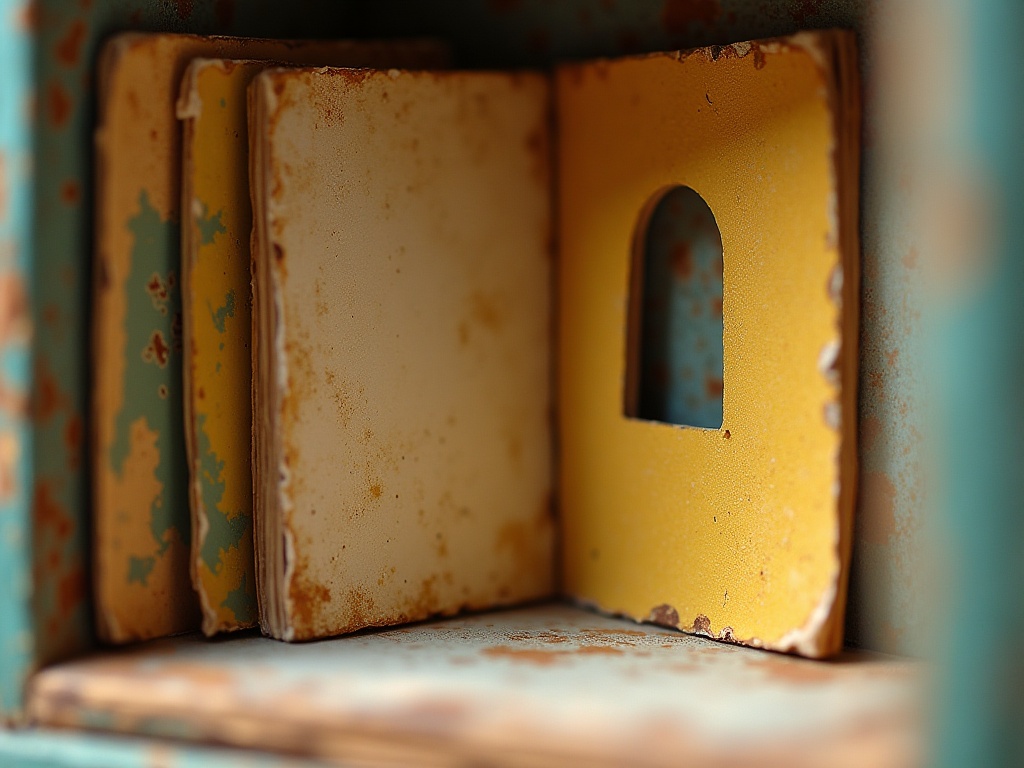
UV light damages book nook materials because it oxidizes acrylic pigments, yellows resin castings, and breaks down the dye molecules in paper and fabric, often within months of first display, even without direct sun. Book nook kits rely on materials that are genuinely sensitive to prolonged light exposure. Water-based acrylic paints, which most beginner and intermediate kits use, contain pigments that oxidize when hit with ultraviolet radiation. The result is a chalky, washed-out look that no amount of repainting can fully reverse once the underlying binder breaks down.
Paper and cardstock components are equally vulnerable. Laser-cut wood pieces sealed with water-based varnish hold up better, but the thin papers used for wallpaper panels, book spines, and printed signage can yellow noticeably within six months of direct window exposure. Fabric accents, tiny rugs, and upholstery elements fade fastest of all because the dye molecules in textile fibers are especially reactive to UV energy.
Resin and acrylic castings (the kind used for water effects, glassware, or translucent windows) are particularly tricky. Standard clear resins yellow with UV exposure even indoors. High-quality UV-stable resins exist, but most kit manufacturers don’t specify which grade they use, so it is smart to treat all resin elements as sensitive by default and plan your protection strategy accordingly.
📜 Did you know?
Museum conservation standards recommend keeping displayed paper and textile artifacts below 50 lux of light intensity and filtering out wavelengths below 400 nm (the UV spectrum). Most home window glass blocks only about 25-50% of UV radiation unless it carries a low-E coating. Standard glass blocks almost no UV below 300 nm but lets through the 300-380 nm range that causes most fading in miniature builds.
Museum conservation standards recommend keeping displayed paper and textile artifacts below 50 lux of light intensity and filtering out wavelengths below 400 nm (the UV spectrum). Most home window glass blocks only about 25-50% of UV radiation unless it carries a low-E coating. Standard glass blocks almost no UV below 300 nm but lets through the 300-380 nm range that causes most fading in miniature builds.
Choosing the Right Display Spot: The First Line of Defense
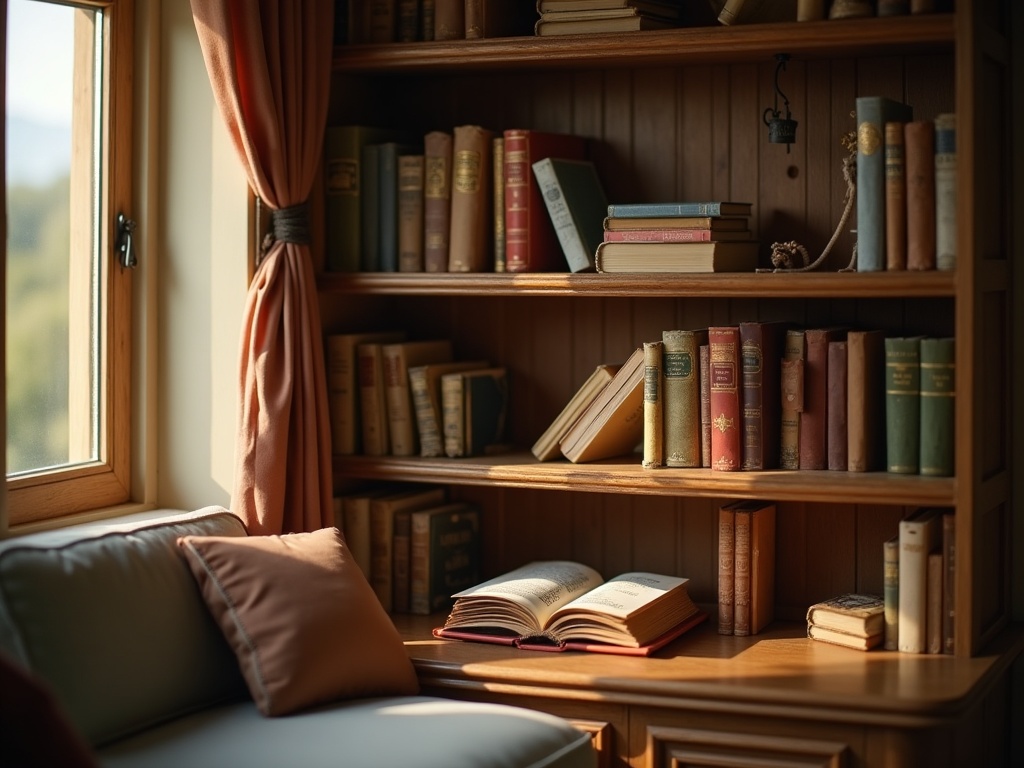
The right display spot for a book nook is at least 6 feet from any window, ideally inside a glass-fronted cabinet on an interior or north-facing wall, placement alone does more than any coating applied afterward. Placement matters more than any product you can apply afterward. Before you commit to a shelf location, spend a day watching how light moves through the room. South-facing windows in the Northern Hemisphere deliver the most intense light for the longest duration. East and west windows bring lower-angle, more concentrated bursts in the morning and afternoon respectively.
The safest spots are:
- Interior walls at least 6 feet from any window
- Shelving inside a bookcase with a door (glass-fronted cabinets cut UV exposure significantly)
- Rooms without skylights or tube lighting directly overhead
- North-facing wall shelves, which receive indirect ambient light year-round
If your display space is fixed and near a window, a simple UV-filtering window film applied directly to the glass can reduce UV transmission by up to 99% without noticeably changing the room’s appearance. Brands like Gila and 3M offer residential rolls starting around $20-$30 for a standard window. It is one of the best investments for a display-heavy room, and it protects everything on the shelf, not just your book nooks.
✨ Hannah’s tip
Before applying any UV film to a window, check whether your apartment or HOA has restrictions on window tinting. Most films are virtually clear and fine for renters, but it is worth a quick check. If film isn’t an option, a sheer UV-filtering curtain (available at most home goods stores for under $25) placed between the window and your shelf cuts exposure dramatically without blocking all natural light.
Before applying any UV film to a window, check whether your apartment or HOA has restrictions on window tinting. Most films are virtually clear and fine for renters, but it is worth a quick check. If film isn’t an option, a sheer UV-filtering curtain (available at most home goods stores for under $25) placed between the window and your shelf cuts exposure dramatically without blocking all natural light.
Protective Coatings That Actually Work on Miniature Surfaces
A UV-resistant varnish or spray sealant is the most reliable second layer of protection for miniature surfaces, it must be labeled “UV-resistant,” not just “varnish,” to actually block the radiation that causes fading and yellowing. Sealing finished surfaces is your second layer of protection. A UV-resistant varnish creates a barrier between the pigment layer and incoming radiation. The important distinction is “UV-resistant,” not just “varnish.” Regular matte or gloss finishes protect against dust and handling damage, but they offer minimal UV protection on their own.
For painted wood and laser-cut components, a UV-blocking spray sealant for miniatures or scale models works very well. Testors Dullcote and Krylon UV-Resistant Clear are popular with the miniature-building community because they dry thin, don’t cloud fine details, and are available at most craft stores for $8-$12 a can. Apply in thin, even coats (two light passes are better than one heavy one) in a well-ventilated area. The first time I used this approach on a finished book nook, I was relieved by how invisible the protection is, no gloss, no texture change, just a quiet layer of security.
For resin elements, consider a dedicated UV-stabilizer additive mixed into any future castings. If you are working with a finished piece you cannot re-cast, a thin application of a UV-protective resin top-coat, such as those used in jewelry making, can slow yellowing significantly.
Paper and printed elements are harder to seal without altering their texture. A very light pass of UV-resistant spray from at least 12 inches away is the safest approach. Always test on a scrap piece first, because some papers wrinkle or develop blotchy patches with any liquid application.
If you are curious about kit-specific finishing approaches, our book nook accessories collection includes sealants and finishing supplies we have tested in-house. The community in our builder group has also shared useful comparisons of spray vs. brush-on formulas in the comments of our miniature house building tips posts.
Lighting Your Book Nook Without Causing UV Damage
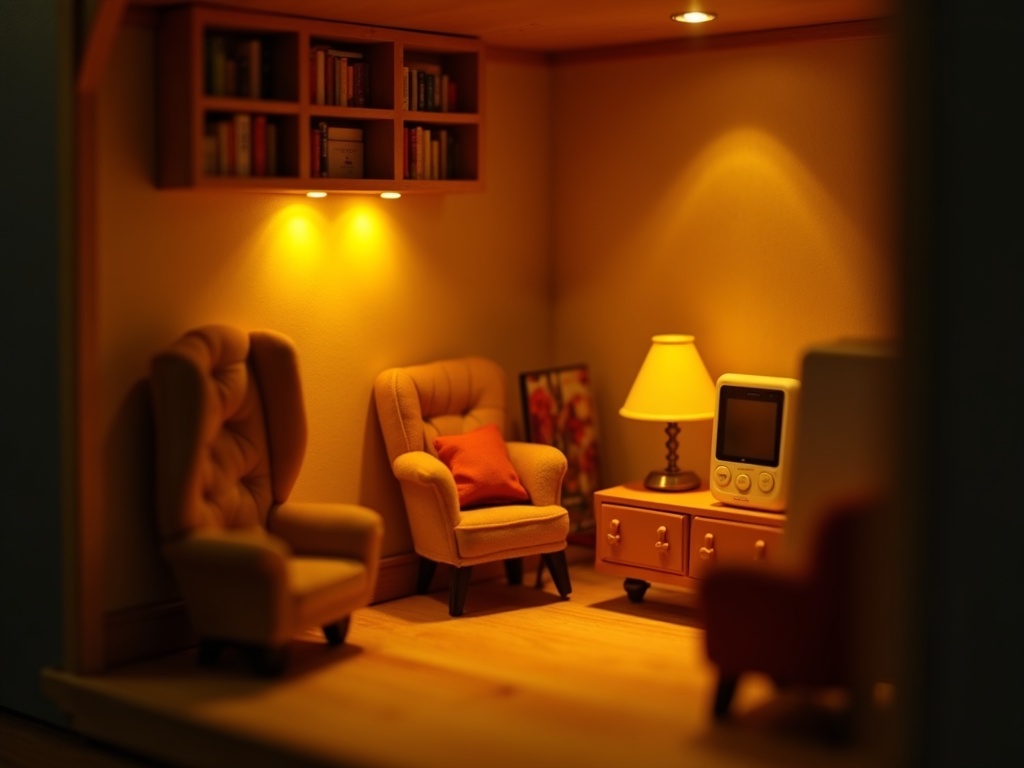
To light a book nook without causing UV damage, use warm-white LEDs rated at 2700K, 3000K on a timer limited to 6-8 hours per day, standard white LEDs emit very little UV, making them far safer than incandescent or halogen alternatives. Many crafters add internal lighting to their builds. Small LED strips, fairy lights, and micro-lamp kits are wildly popular, and for good reason: they make the scene come alive. But not all LEDs are created equal from a UV standpoint.
Standard white LEDs emit very little UV radiation, which makes them a far safer choice for illuminating sensitive miniature materials than older incandescent or halogen bulbs. Look for LEDs labeled “warm white” (2700K-3000K color temperature) rather than “cool white” or “daylight” variants. Cool white and daylight LEDs emit more blue-spectrum light, which, while not UV in the strict sense, can still accelerate pigment fading over years of continuous exposure.
A few practical rules for internal book nook lighting:
- Use LEDs rated at 2700K-3000K color temperature
- Put lights on a timer or smart plug so they run 6-8 hours per day rather than continuously
- Position light sources away from paper and fabric elements where possible
- Avoid placing the LEDs in direct contact with resin surfaces for extended periods
If your build includes a light kit from one of our illuminated book nook accessories, the bundled LEDs are warm-spectrum and low-heat, but the timer habit still applies. Anything shining on paint and paper around the clock will eventually show wear. A $10 smart plug timer is genuinely one of the highest-return accessories you can add to your display setup.
If you love the idea of a build where lighting and natural-light theming are already part of the design, the kits in our miniature greenhouse range are built with translucent acrylic panels and warm LED sets, making them a natural fit for well-lit display shelves when you pair them with the coating and placement habits above.
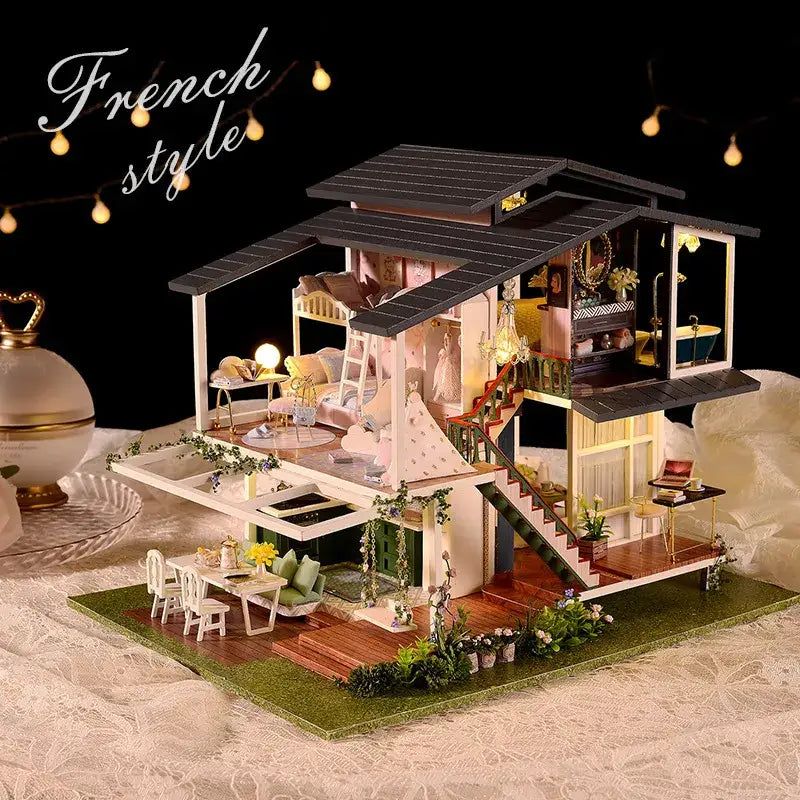
Rare in the niche
Miniature Greenhouse Kits
22 LED-lit greenhouse builds
These kits ship with warm-spectrum LED sets and translucent acrylic panels. When you apply UV-resistant sealant before display, they hold their color beautifully even on bright shelves.
Rotation and Seasonal Rest: A Surprisingly Effective Strategy
Rotating book nook displays every three months, keeping resting pieces boxed in a dark cupboard, means each build spends only a quarter of the year under ambient light, extending color vibrancy by years. Museums rotate exhibited works. They pull pieces from display for periods of storage in controlled conditions, giving light-sensitive materials a rest. You can apply the same logic to your shelf at home. Rotating which builds are displayed throughout the year, keeping spares boxed in acid-free tissue in a dark cupboard, extends the life of every piece significantly.
If you have built multiple kits (and most of us collect more than one), a simple rotation every three months means each piece spends only a quarter of the year under ambient light. That alone can extend the vibrancy of colors by years. Store resting builds away from direct air vents and humidity sources; a cool, dark interior shelf or closet is ideal.
Pair rotation with a quick condition check each time you swap pieces. Look for early signs of fading, especially on reds and purples, which degrade fastest because their pigment molecules are the most photochemically reactive. Check for any yellowing on resin windows, and run a fingertip gently across sealed surfaces to confirm they still feel smooth and intact. Catching minor fading early means you can touch up details before they become obvious. Browse our miniature painting and touch-up supplies for the fine-detail brushes and acrylic sets that make spot repairs straightforward.
The seasonal rest habit also gives you a lovely excuse to rediscover builds you haven’t looked at closely in a while. There is something genuinely joyful about pulling a well-stored piece out of its box and finding it just as crisp and colorful as the day you finished it. That feeling, more than anything, is what made me a convert to the rotation method.
How to Protect Your Book Nook from Sunlight: A Complete Strategy Summary
Protecting your book nook from sunlight comes down to four layered habits: seal all surfaces before display, choose a low-light placement, run internal LEDs on a timer, and rotate builds seasonally, none of these steps takes more than an afternoon to set up. Putting it all together, protecting your book nook from sunlight comes down to layering a few simple habits rather than relying on any single fix. Here is the full sequence I follow with every build, from the moment it comes off the workbench to long-term shelf life:
- Seal before display. Apply two light coats of UV-resistant spray sealant to all painted, paper, and resin surfaces before the build ever goes on a shelf. Let each coat dry fully, usually 30-60 minutes, before adding the next.
- Choose placement deliberately. Favor interior walls, glass-fronted cases, or north-facing shelves. If the display spot is near a window, add UV-filtering film or a UV-filtering curtain to that window.
- Control your lighting. Use warm-white LEDs (2700K-3000K) for any internal lighting, and put them on a timer set for 6-8 hours per day maximum.
- Rotate seasonally. Swap builds in and out of display every three months so each piece rests in a dark, stable environment for part of the year.
- Inspect during rotation. A quick condition check when you swap pieces catches early fading before it becomes a bigger problem. Touch up with matching acrylic paint and a fine brush as needed.
None of these steps takes more than an afternoon to set up, and together they give your finished builds a genuinely good chance of looking as rich and detailed in five years as they do today. That is a worthy return on a few hours of care.
If you want to start a build that is already well-suited to display longevity, the Tranquil Life DIY Miniature House Kit below is a great starting point. Its warm, neutral palette is among the most stable under ambient light, and the enclosed wooden structure means fewer exposed paper surfaces than open-frame kits.
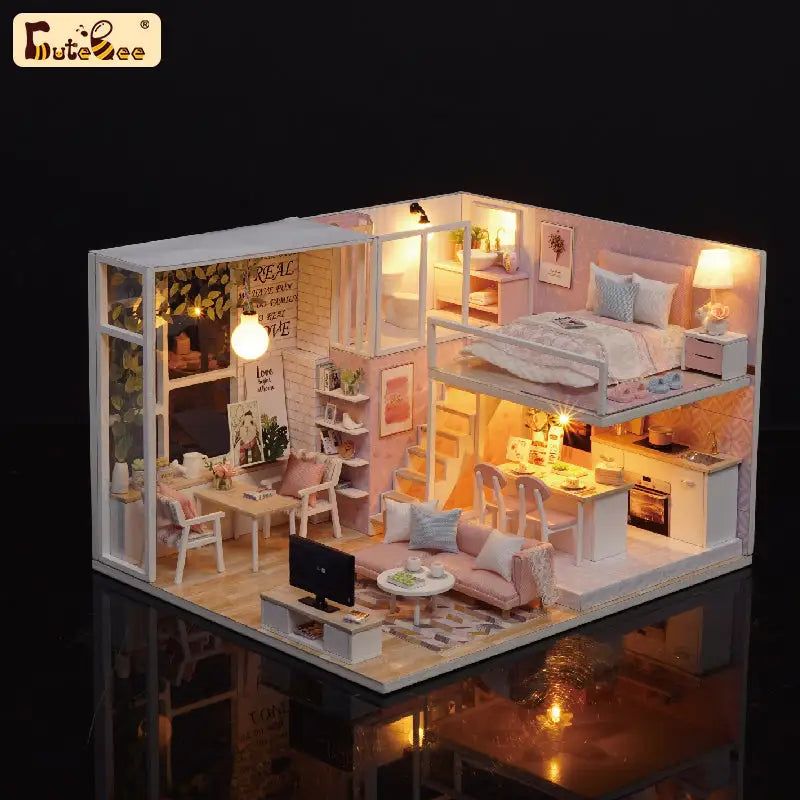
Bestseller cottage kit
Tranquil Life DIY Miniature House Kit
Warm neutral palette, enclosed wooden structure, beginner-friendly
$67.90
An excellent choice if you want a build whose earthy tones hold up especially well under ambient light. Seal on completion and this one will reward you for years.
For something at a slightly lower price point to practice your sealing technique before committing to a more complex build, the Sun Room kit below is one of our most popular starter options. Its bright, airy aesthetic also makes it a great test case for watching just how well UV-resistant sealant preserves light-toned surfaces over time.
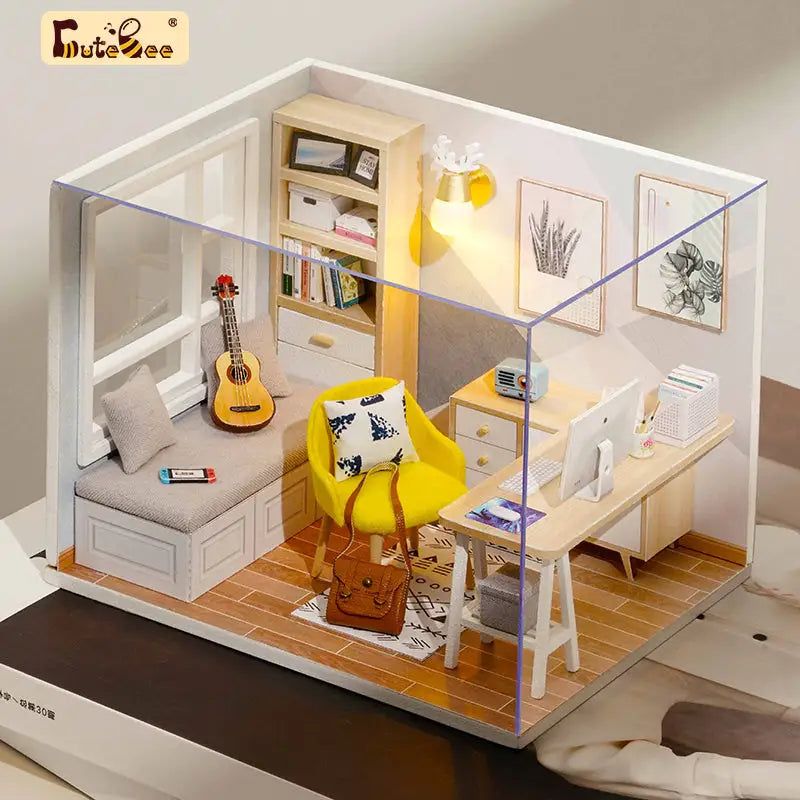
Easy starter under $50
Sun Room DIY Miniature House Kit
Light, airy palette, ideal for practicing UV-protective finishing
$49.99
The bright interior tones show the results of good UV protection most vividly. Apply your sealant layers here and you’ll see exactly why the habit is worth forming.
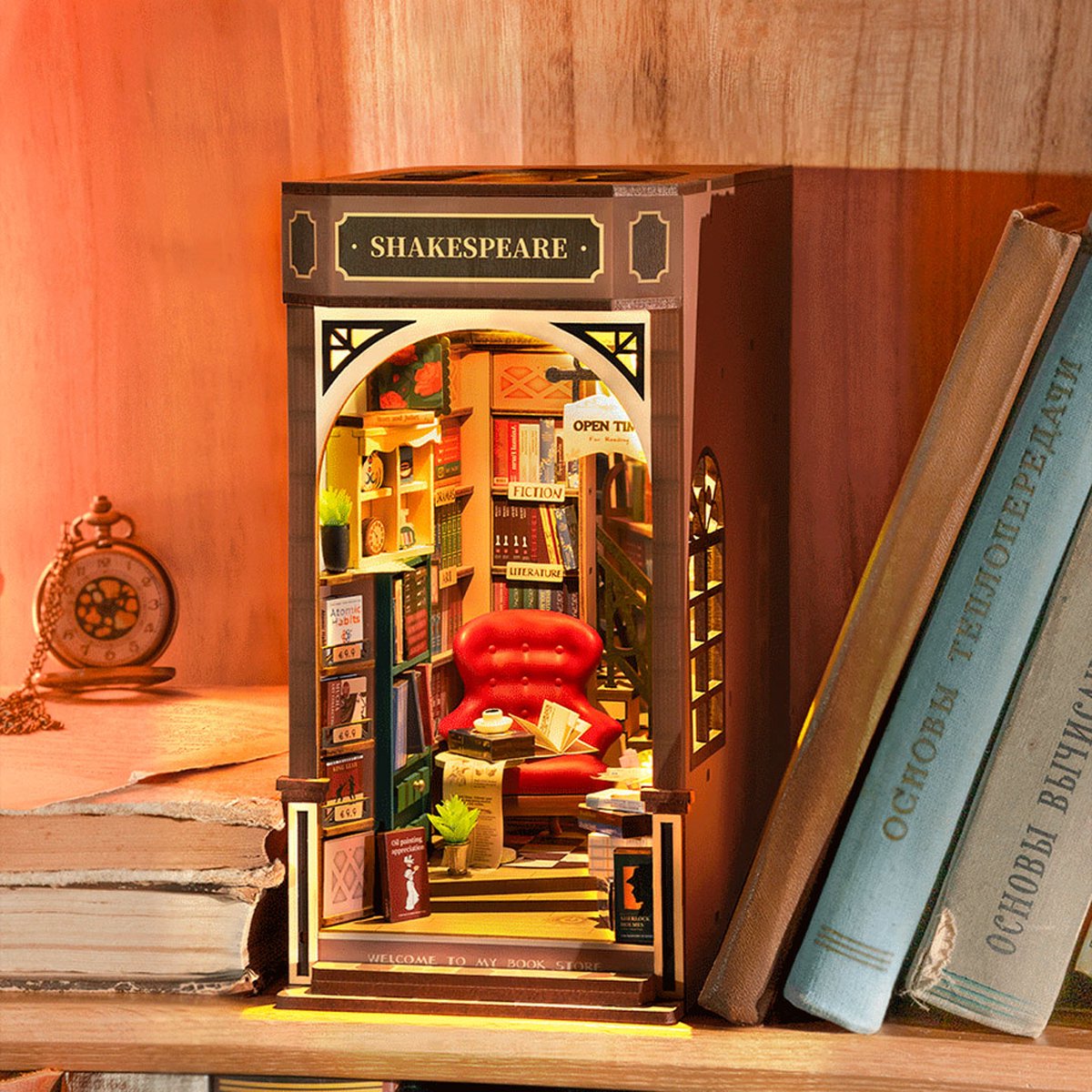
And if you are ready to invest in a collector-level piece, the Monet’s Garden kit below features richly saturated floral tones that are worth protecting carefully. Its vibrant pinks, greens, and yellows are precisely the pigment families most sensitive to UV, so good display habits make a visible difference over time.
Premium collector piece
Monet’s Garden DIY Miniature House Kit
$155.00
Saturated floral tones (pinks, greens, bright yellows) that reward careful UV protection. Seal every surface before display and rotate seasonally for the best long-term results.
Explore our full range of book nook accessories and display care tools to find sealants, protective cases, lighting kits with timers, and the fine-detail supplies that make upkeep easy. Our complete book nook kits collection is also a good place to browse if you want to see which builds are currently in stock.
Frequently Asked Questions about How to Protect Your Book Nook from Sunlight
Everything you might be wondering (click a question to expand).
Can I display my book nook near a window if I use a UV film?
Yes, with some important caveats. A high-quality UV-filtering window film (blocking 99% of UV) dramatically reduces the primary cause of fading. That said, even visible light contributes to long-term color shift, so pairing the film with a UV-resistant sealant on the build itself gives you the best protection. Direct sun falling on the piece for multiple hours a day is still worth avoiding even with film in place.
How often should I reapply UV-protective spray varnish?
For pieces displayed in normal ambient light, a reapplication every 1-2 years is a sensible routine. If your display area gets stronger light (south-facing window, bright studio lighting), annual touch-ups are a good habit. Always clean the surface gently with a soft dry brush before adding a fresh coat so you are sealing over clean material rather than trapping dust.
Do glass display cases actually help protect book nooks from sunlight?
Yes, noticeably. Standard glass cuts some UV and simultaneously blocks dust, humidity fluctuations, and handling contact. For stronger protection, look for acrylic display cases labeled “UV-resistant” or “UV-blocking.” These are widely available in craft and hobby stores in sizes that accommodate standard book nook builds, and they are often more affordable than you’d expect.
Which colors fade the fastest in book nook builds?
Red and purple pigments are the most photosensitive, followed by certain blues and bright yellows. Neutral tones like cream, brown, gray, and black are the most stable under light exposure. If your kit features highly saturated accent colors, those areas deserve an extra coat of UV-resistant sealant as a priority when you are finishing the build.
Is it safe to leave the LED lights inside my book nook on all day?
Technically safe for the electronics, but not ideal for the materials. Running warm-white LEDs continuously is equivalent to years of additional light exposure concentrated on a small, enclosed space. A basic plug-in timer set to 6-8 hours per day is an easy, inexpensive fix that meaningfully extends how long the interior colors stay vibrant.
What is the single most impactful thing I can do to protect my book nook from sunlight right now?
If your build is already finished and on display, the fastest win is moving it at least 6 feet from any window, or adding a UV-filtering curtain to that window today. If you are in the middle of a build, apply two light coats of UV-resistant spray sealant before it ever goes on the shelf. That single step, done before the first day of display, is the foundation everything else builds on.
Building a Display Setup That Works for the Long Term
A display setup that works long-term combines a low-UV placement, a sealed finish, controlled LED lighting, and a seasonal rotation habit, together these keep a book nook looking as crisp in five years as the day it was finished. The builds you finish deserve to stay beautiful. A bit of forethought about placement, a single afternoon spent sealing surfaces before they go on the shelf, and a modest habit of rotating pieces are genuinely all it takes to protect your book nook from sunlight and the slow damage it causes. There is something deeply satisfying about pulling a kit out of storage after six months and finding it just as crisp as the day you finished it. That feeling is the whole point.
If you want to set your current or next build up for long-term display success, take a look at our full accessories collection where you will find UV-resistant sealants, display cases, lighting kits with timers, and the fine-detail supplies that make upkeep easy. Your future self will appreciate it every time you glance at the shelf. ✨