🎁 Buy 2 kits, get the 3rd FREE · Free shipping on every order

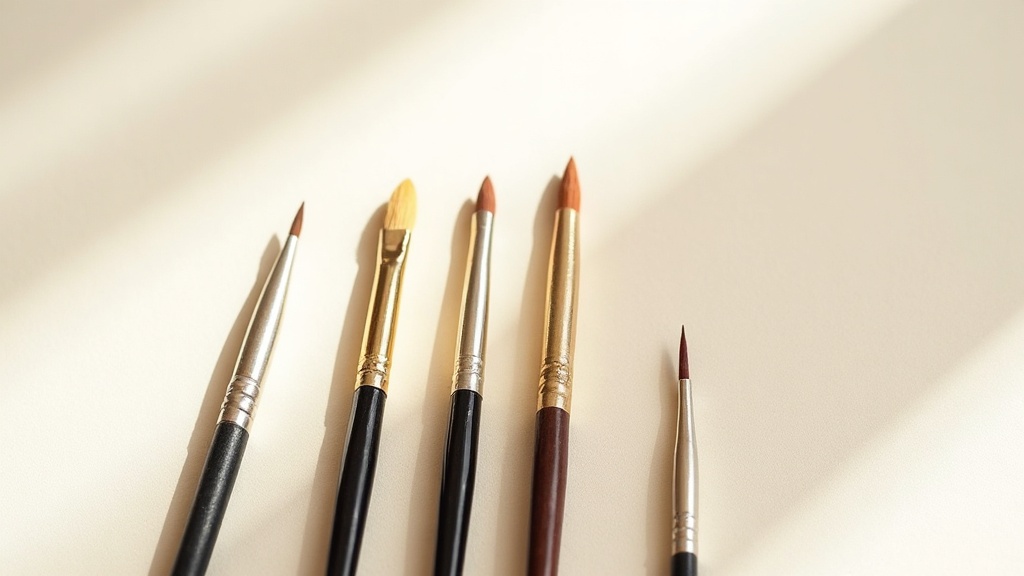
Best Brushes for Miniature Painting: Sizes, Materials, and Brands Worth Buying
A practical breakdown of the best brushes for miniature painting: which sizes to buy, the real differences between sable and synthetic, brand recommendations from beginner to advanced, and brush care habits that make quality tools last. Written for US hobbyists in 2026.

Pick up the wrong brush and a two-hour painting session turns into a frustrating mess of frayed tips and muddy blends. Pick up the right one, and something almost meditative kicks in: each stroke lands exactly where you intend it, the detail work feels almost effortless, and the miniature on your desk starts looking genuinely alive. The best brushes for miniature painting are not the most expensive ones on the shelf. They are the ones that match your skill level, your preferred techniques, and the scale of the models you are working on.
This guide breaks down the core sizes you actually need, the sable-vs-synthetic debate with honest trade-offs, and the brands that the miniature painting community keeps coming back to year after year. Whether you are painting your first fantasy kit or you have hundreds of completed figures behind you, knowing your tools changes everything.
Why Brush Quality Matters More Than Paint Brand
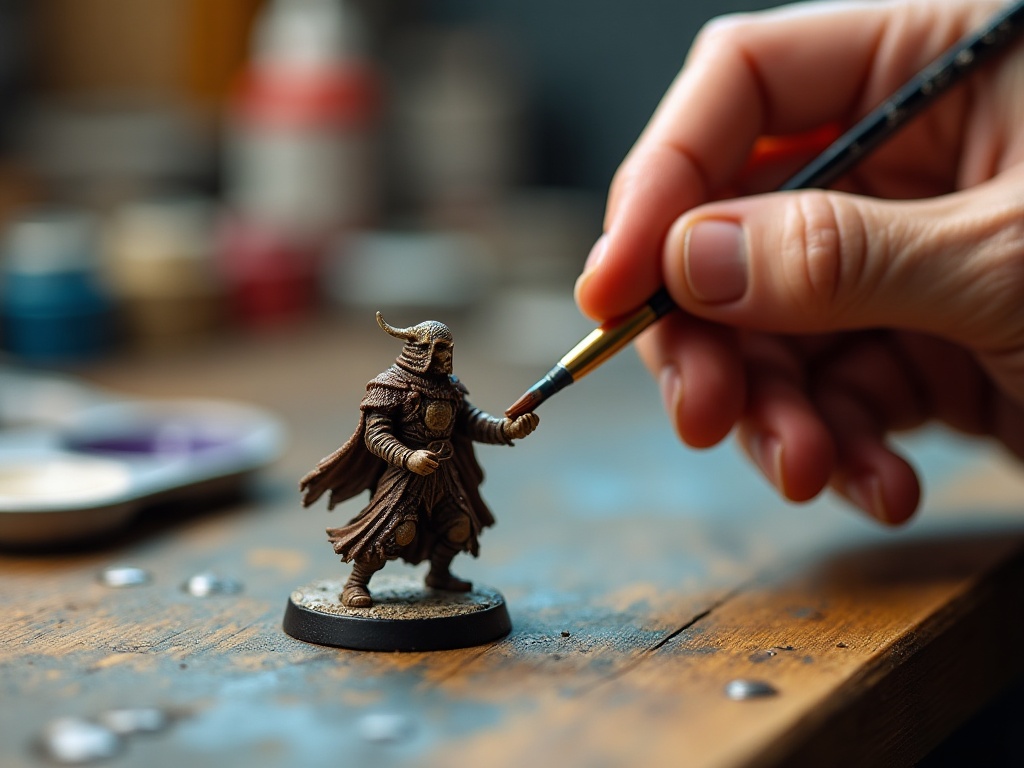
Brush quality matters more than paint brand because a great brush delivers fine tip retention, even paint release, and reliable snap-back that no premium paint can compensate for when applied with a bad one. Hobbyists debate paints endlessly. Citadel vs. Vallejo vs. Scale75. Contrast paints vs. traditional layering. But experienced painters consistently say the same thing: an average paint applied with a great brush beats a premium paint dragged across the surface with a bad one.
A quality brush does three things that cheap alternatives simply cannot. First, it holds a fine tip under load, meaning the point stays sharp even when the bristles are saturated with paint. Second, it releases paint evenly throughout the stroke, so you are not fighting a sudden blob halfway down a sword blade. Third, it snaps back to shape after each stroke, giving you consistent control session after session. Each of those qualities compounds: better tip retention means fewer corrective strokes; smoother paint release means thinner, more translucent layers; reliable snap-back means the brush behaves the same on stroke fifty as on stroke one.
Frayed, splayed bristles are not just annoying. They actively slow your progress. You end up making three strokes to do the work of one, and the edges of your blending stay choppy no matter how carefully you apply thinned paint. Investing in reliable brushes for miniature painting is the single highest-leverage upgrade most beginners can make, and it remains true for experienced painters who sometimes resist upgrading because their current brushes feel “good enough.”
📜 Did you know?
The finest artist brushes in Europe have been handcrafted in Penopscot, Kolinsky, and the Tobol River region of Russia for over 200 years. The hair used in true Kolinsky sable brushes actually comes from the tail of the Siberian weasel (Mustela sibirica), not a sable marten. The word “Kolinsky” refers to the Kola Peninsula region where the practice originated. Import restrictions on Kolinsky into the US have tightened since 2014, making well-sourced sable brushes noticeably pricier.
The finest artist brushes in Europe have been handcrafted in Penopscot, Kolinsky, and the Tobol River region of Russia for over 200 years. The hair used in true Kolinsky sable brushes actually comes from the tail of the Siberian weasel (Mustela sibirica), not a sable marten. The word “Kolinsky” refers to the Kola Peninsula region where the practice originated. Import restrictions on Kolinsky into the US have tightened since 2014, making well-sourced sable brushes noticeably pricier.
The Brush Sizes You Will Actually Use
The brush sizes you will actually use for miniature painting are Size 2 and Size 1 for base coating, Size 0 and Size 00 for layering and blending, and Size 000 for fine detail work and freehand. Brush sizes follow a numbering system that, annoyingly, is not standardized across every manufacturer. A Size 1 from one brand can be slightly wider or narrower than a Size 1 from another. That said, the general categories hold true and give you a reliable framework. Think of each size range as having a primary job; understanding that job tells you which one to reach for without even glancing at the handle.
Size 2 and Size 1: Base Coating and Blocking Color
Larger round brushes in the Size 1 and Size 2 range are your workhorses for applying base coats over flat armor panels, cloaks, and large skin areas. They hold more paint and cover surface area faster without flooding recesses. For 28mm scale miniatures, a Size 2 round is often the biggest you will need. Many painters skip flat brushes entirely and use a full round in this size range for base work, since the rounded tip navigates edges and small raised details more naturally than a flat.
Size 0 and Size 00: Layering and Blending
This is where most of your session time happens. A Size 0 round with a tight, pointed tip is the go-to brush for layering highlights onto cloth, wet blending transitions on skin, and applying washes precisely to recessed areas without flooding raised detail. The Size 00 steps in for tighter spaces: eye sockets, gemstones, small buckles and rivets. If you only ever buy one quality sable brush, make it a Size 0. You will use it in nearly every session regardless of technique.
Size 000 and Detailing Liners: Fine Lines and Freehand
Anything smaller than Size 000 is specialist territory. These micro-brushes are used for pupil dots, thin script on banners, NMM (non-metallic metal) bright spots, and freehand patterns on shields or cloaks. They demand a steady hand and well-thinned paint. If you are new to the hobby, do not buy a rack of these yet. One good Size 000 is plenty until your brush control is solid. Many painters find they can achieve “micro-brush” results with a quality Size 00 that simply has better tip retention than a cheap Size 000.
Dry Brushes: A Category of Their Own
Standard rounds are the wrong tool for drybrushing. The technique loads stiff, almost dry paint onto bristles and drags them across raised texture, which destroys a quality sable brush within weeks. Keep a dedicated flat or fan brush for drybrushing, ideally a cheap synthetic one you do not mind sacrificing. Many hobbyists use old, splayed brushes for this exact purpose, which is a perfectly sensible approach. Label it with a rubber band so it never accidentally ends up in your detail brush jar.
✨ Hannah’s tip
When you are evaluating a new brush in a store or from an online photo, look at the belly (the widest part of the bristle bundle) as much as the tip. A brush with a fat belly holds more paint in reserve, which means fewer trips back to the palette mid-stroke. A skinny, tapered brush runs dry fast and breaks the rhythm of your work. The belly is the secret weapon most product photos hide. If you are ordering online, check community reviews specifically for comments about paint capacity, not just tip sharpness.
When you are evaluating a new brush in a store or from an online photo, look at the belly (the widest part of the bristle bundle) as much as the tip. A brush with a fat belly holds more paint in reserve, which means fewer trips back to the palette mid-stroke. A skinny, tapered brush runs dry fast and breaks the rhythm of your work. The belly is the secret weapon most product photos hide. If you are ordering online, check community reviews specifically for comments about paint capacity, not just tip sharpness.
Sable vs. Synthetic: The Honest Trade-Off
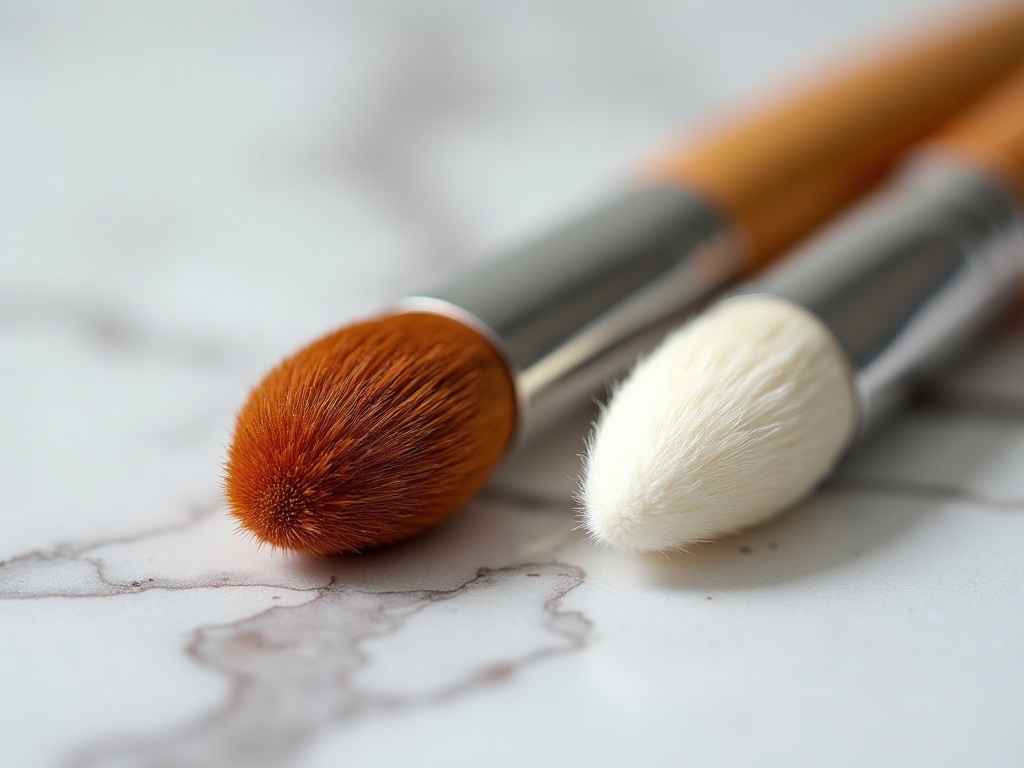
Kolinsky sable wins for detail layering and wet blending; quality synthetic wins for base coating, drybrushing, and budget-conscious beginners who want a capable brush without the maintenance demands. This debate has a real answer, and it depends on what you are doing. Below is an honest side-by-side comparison to cut through the marketing noise, followed by the nuance that the table cannot fully capture.
| Factor | Kolinsky Sable | Quality Synthetic |
|---|---|---|
| Tip retention | Excellent; holds a fine point under heavy load | Good when fresh; degrades faster under pressure |
| Paint capacity (belly) | Superior; large natural reservoir, fewer palette trips | Adequate for most base and wash work |
| Snap-back | Very reliable after each stroke | Moderate; may splay during extended sessions |
| Wet blending | Ideal; smooth, gradual paint release | Possible but requires more skill to control |
| Drybrushing / stippling | Poor; technique damages natural hair quickly | Excellent; survives abrasive techniques |
| Price per brush (size 0) | $15 to $35 at quality grades | $3 to $12 depending on brand |
| Maintenance required | High; no solvents, reshape after every session | Low; tolerates acrylic mediums and contrast paints |
| Best for | Detail layering, blending, competition work | Base coating, washes, drybrushing, beginners |
Kolinsky Sable Brushes for Miniature Painting
Natural Kolinsky sable bristles have a microscopic structure that holds paint in a reservoir at the belly and releases it gradually as pressure is applied. This self-loading behavior gives you longer, smoother strokes with less fatigue. The tip, when properly cared for, holds a point fine enough to paint individual eyelashes on a 54mm scale bust.
The trade-offs are real. True Kolinsky sable is expensive, often $15 to $35 per brush at quality grades. It requires careful maintenance: no harsh solvents, no leaving paint to dry in the bristles, always reshaping the tip before storage. And for techniques like drybrushing or stippling, the natural hair wears down faster than synthetic alternatives.
Synthetic Brushes for Miniature Painting
High-quality synthetic brushes for miniature painting have improved dramatically in the last decade. Modern nylon and Taklon bristles can hold a credible tip and perform well for base coating, washes, and even layering when the brush is fresh. They handle acrylic mediums, contrast-style paints, and technical paints without damage. They survive drybrushing. They cost a fraction of sable options.
The gap appears in extended wet blending sessions and ultra-fine detail work. Synthetic tips tend to splay faster under pressure and do not snap back to shape with the same reliability as natural hair. For beginners, though, a quality synthetic set is the smarter starting point. You learn brush control without the anxiety of ruining a $25 brush on a mistake.
The Practical Answer
Most experienced painters use both. A Kolinsky Size 0 and Size 1 for layering and detail, a synthetic Size 2 for base coating, and a beater synthetic for drybrushing and stippling. This hybrid approach stretches your investment without compromising on the techniques that actually need premium tools. If your budget only allows one purchase at a time, start synthetic, then add one quality sable Size 0 once you know what good tip retention actually feels like in practice.
Brand Recommendations by Skill Level
The standout brush brands for miniature painting are Army Painter and Artis Opus for beginners, Winsor & Newton Series 7 and Raphael 8404 for intermediate painters, and Da Vinci Maestro and Rosemary & Co for advanced work. The miniature painting community has tested these brands across millions of sessions, and certain names keep surfacing in forums, Discord servers, and YouTube tutorials for good reason. These are not paid recommendations; they are the brands that the hobby keeps returning to because the brushes simply perform.
For Beginners: Army Painter and Artis Opus Series S
Army Painter’s Wargamer range gives new painters a usable synthetic set at a price point that does not sting when a brush is lost or misused. The Regiment and Character brushes cover the Size 1 to Size 0 range that beginners actually need. Artis Opus Series S is a synthetic option that punches well above its price: the tip retention is noticeably better than most brushes in its class, and it survives heavy use without falling apart in the first month. Community feedback on the Series S consistently highlights how long the tips stay functional compared to other budget-range synthetics.
For Intermediate Painters: Winsor & Newton Series 7 and Raphael 8404
These two names are the traditional benchmark for Kolinsky sable in the hobby. The Winsor & Newton Series 7 (Miniature range, not the full-size artist line) is sized specifically for 28-35mm scale work. The tip retention is exceptional when the brush is properly cared for. The Raphael 8404 has a slightly fuller belly, which many painters prefer for wet blending, and it is often available at a slightly lower price point than the W&N equivalent. Both have been community staples for over a decade, which itself is a form of quality assurance.
For Advanced Painters and Competition Work: Da Vinci Maestro and Rosemary & Co
Da Vinci Maestro Series 10 brushes are handmade in Germany and use Kolinsky sable sourced from controlled suppliers. They are stiff enough for precise line work yet flexible enough for smooth blending strokes. The consistency batch to batch is notably better than most alternatives at the same price point, which matters when you are replacing a brush you have used for two years and need it to behave identically. Rosemary & Co, a UK-based manufacturer that ships to the US, offers some of the best value-per-quality in the premium sable category and lets you order individual brushes rather than full sets, which is ideal if you already know exactly what sizes your workflow demands. Their Series 33 and Series 22 are particular community favorites for fine detail and portrait work respectively.
🎨 Practical note
If you are painting miniatures that will also sit in a miniature house kit diorama, the same brush selection applies: a Size 0 sable for figures and fine scenic details, a Size 2 synthetic for broad flat surfaces like floors and walls. The technique transfers directly between figurine painting and scene-building.
If you are painting miniatures that will also sit in a miniature house kit diorama, the same brush selection applies: a Size 0 sable for figures and fine scenic details, a Size 2 synthetic for broad flat surfaces like floors and walls. The technique transfers directly between figurine painting and scene-building.
Brush Care: Making Quality Brushes Last
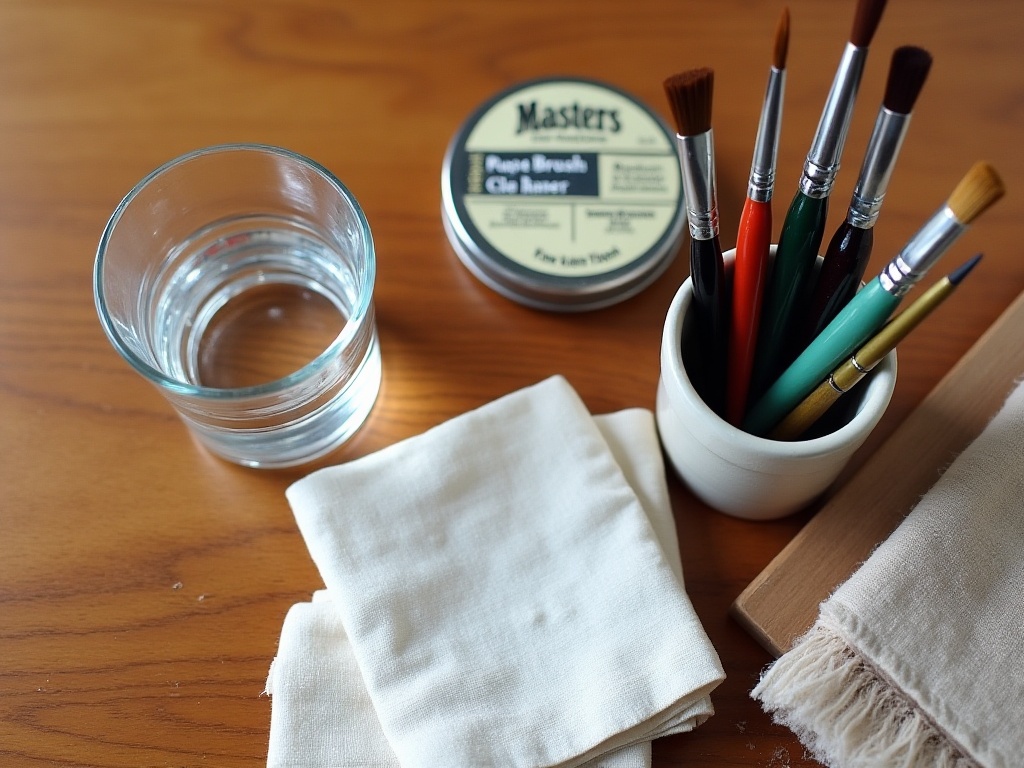
A quality brush lasts dramatically longer with three habits: never letting paint dry in the bristles, cleaning with brush soap after every session, and storing the brush tip-up after reshaping the tip. A $30 sable brush that is well maintained will outlast a $5 brush used carelessly by a factor of ten or more. The habits are simple. Never let paint dry in the bristles. Rinse in clean water between colors. Use a dedicated brush soap (The Masters Brush Cleaner is a community standard) at the end of every session. After cleaning, reshape the tip by rolling the wet bristles gently against your lower lip or palm, then store the brush tip-up in a jar or roll case.
Avoid submerging the ferrule (the metal collar) in water for extended periods. Water that seeps under the ferrule loosens the adhesive that holds the bristles to the handle, and the brush will start shedding hairs within weeks. Quick rinses are fine; soaking is not. A second rinse cup dedicated to brush soap solution, kept alongside your clean water rinse cup, makes this end-of-session habit nearly effortless.
If you paint from kits that include modeling components as well as paint-ready surfaces, keeping a clean brush station alongside your miniature painting accessories setup makes the habit easy to maintain without interrupting your creative flow.
Building Your Starter Brush Kit on a Budget
A focused starter kit of five to seven brushes covers every miniature painting technique at beginner and intermediate level, and costs between $30 and $80 depending on your sable-vs-synthetic choices. If you are setting up your first painting station, resist the pull of a 20-brush starter pack. Most of those brushes will sit unused, and the ones you reach for daily will wear out while the others collect dust. A focused kit of five to seven brushes covers every technique in the hobby at beginner and intermediate levels.
- 1x Size 2 synthetic round (base coating)
- 1x Size 1 synthetic or entry-level sable round (layering, mid-tones)
- 1x Size 0 quality sable or synthetic round (detail layering, blending)
- 1x Size 00 round (fine detail, eyes, gems)
- 1x Size 000 liner (freehand, thin lines)
- 1x dedicated drybrush (flat or fan, synthetic)
- 1x “beater” brush for applying texture pastes and PVA basing work
That kit, assembled thoughtfully, runs anywhere from $30 to $80 depending on your sable-vs-synthetic choices. It handles everything from first base coat to competition-level blending, and it gives you a clear sense of which sizes you actually reach for before you invest in expensive duplicates.
Pair those brushes with a proper painting accessories collection that includes a wet palette, brush soap, and a rinse cup, and your setup is complete. Check out our full hobby tools and accessories range for curated options that community members have tested and approved.
Frequently Asked Questions about Brushes for Miniature Painting
Everything you might be wondering (click a question to expand).
How often should I replace my miniature painting brushes?
A well-maintained Kolinsky sable brush used primarily for layering and blending can last 12 to 24 months of regular hobby sessions. Synthetic brushes used for base coating typically need replacing every 3 to 6 months depending on frequency. The signal to replace is tip loss: when a brush no longer holds a point under load, the work it degrades noticeably and it is time to retire it to drybrush or basing duty.
What are the best brushes for miniature painting for an absolute beginner?
For a true beginner, a three-brush synthetic starter set is all you need: one Size 1 or Size 2 round for base coats, one Size 0 round for layering and detail, and one flat or fan brush for drybrushing. Army Painter’s Wargamer range and Artis Opus Series S are both strong starting points that the community consistently recommends. Spend on a brush soap from day one; that habit alone will make your starter brushes last twice as long.
Can I use regular artist watercolor brushes for miniature painting?
Yes, with some caveats. Full-size watercolor rounds in small sizes (Size 0 and below) work well for miniature painting, and many painters source their Kolinsky sable from fine art suppliers at lower prices than hobby-branded equivalents. The main difference is sizing: a “Size 0” from a fine art brand may have a slightly longer bristle length than a miniature-specific brush, which affects tip control on small surfaces. Test before committing to a large purchase from an unfamiliar range.
Is there a difference between a “detail brush” and a standard round?
The term “detail brush” is mostly marketing language. Most specialty miniature paint brands label their Size 0 and Size 00 rounds as detail brushes. The actual shape is a standard round, just at a smaller size with a fine tip. What matters is the tip retention and belly size, not the label on the handle.
What is the best way to store miniature painting brushes?
Store brushes tip-up in a jar or upright container when in active rotation on your desk. For brushes you are storing between projects, a brush roll or protective case that keeps the tips from touching hard surfaces works best. Avoid storing brushes tip-down in a jar; gravity and residual moisture in the bristles work against the tip shape over time.
Do contrast paints and speed paints damage brushes faster?
They can if you let them dry in the bristles. Contrast and speed-style paints use a flow medium that becomes stubborn once dried. Rinse your brushes more frequently during sessions where you use these paints, and clean thoroughly with brush soap at the end. A dedicated synthetic brush for contrast work protects your better sable brushes from the extra wear.
Quick Reference: Which Brush Size for Which Technique
After all the nuance, here is a fast reference card you can mentally bookmark for your next session. The best brushes for miniature painting only stay best when matched to the right job.
| Brush Size | Primary Techniques | Sable or Synthetic? |
|---|---|---|
| Size 2 | Base coating large panels, cloaks, skin areas | Synthetic fine; saves your sable |
| Size 1 | Mid-tone layering, broader highlight passes | Either; good entry point for first sable |
| Size 0 | Layering, wet blending, targeted washes | Sable strongly preferred |
| Size 00 | Eyes, gems, small buttons, fine edge highlighting | Sable preferred; quality synthetic acceptable |
| Size 000 / Liner | Freehand, pupil dots, script, NMM bright spots | Best sable you can afford |
| Flat / Fan (drybrush) | Drybrushing texture, stippling, basing | Synthetic only; never sable |
Getting the Most from Every Brush You Own
The painters who get the most from their brush kit are not the ones with the most brushes; they are the ones who truly understand each tool and build the muscle memory to use it with consistency. The best painters in the hobby are not the ones with the most brushes. They are the ones who understand what each brush in their limited kit actually does, and who have built the muscle memory to use each tool with consistency. Start with a small, well-chosen set. Learn what a Size 0 with a good tip feels like when it is loaded correctly. Notice how the paint flows differently on a synthetic vs. a sable belly. Those observations, built up over dozens of sessions, are what turn a hobby into a genuine craft.
When you find a brush that clicks, buy a backup. That specific model, in that specific size, from the same manufacturer, may be discontinued or out of stock before you expect it. The miniature painting community runs on brush loyalty, and for good reason: consistency in your tools is what lets you focus on improving your technique instead of adapting to new equipment every few months. The same principle applies when building a miniature house kit: reliable tools free your attention for the creative decisions that actually matter.
Browse our full range of miniature painting accessories, including brush care kits and starter tool sets, chosen specifically for hobbyists who want quality without the guesswork. Happy painting. ✨