🎁 Buy 2 kits, get the 3rd FREE · Free shipping on every order

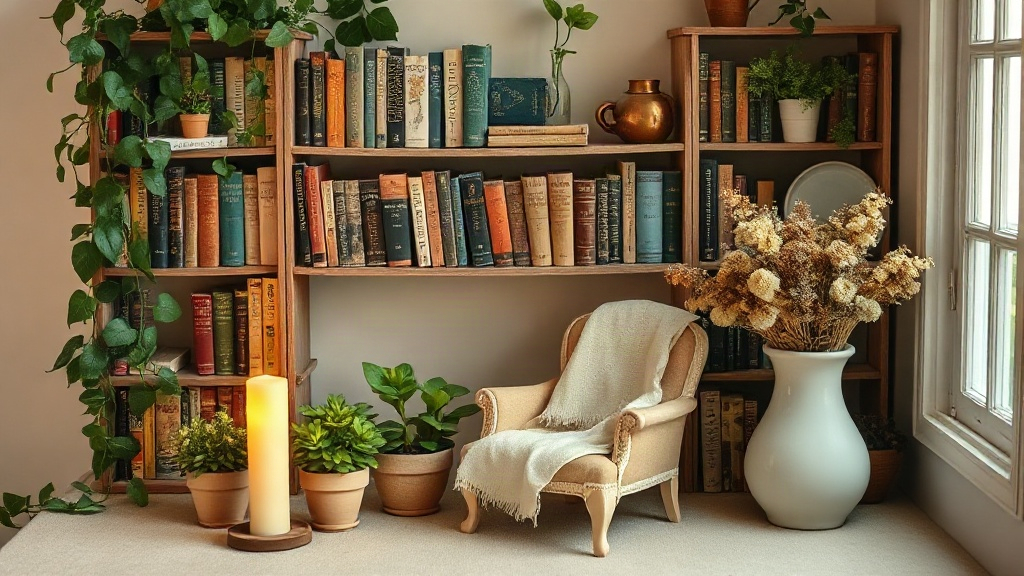
Cottagecore Book Nook Ideas: Create a Cozy Literary Hideaway
Discover how to create a cottagecore book nook that blends pastoral charm, cozy aesthetics, and literary magic. Explore five concrete design ideas, learn essential cottagecore elements, and find practical tips for building an intimate miniature reading space that celebrates slowness and handcrafted beauty.

There’s something irresistible about the promise of a tiny, perfectly curated corner that whispers “curl up here with a book and lose yourself for hours.” A cottagecore book nook delivers exactly that feeling. It blends the aesthetics of pastoral charm, weathered wood, flowering vines, and soft candlelight into a miniature world you can build with your own hands.
Whether you’re a seasoned miniaturist or picking up a craft project for the first time, a cottagecore book nook offers both meditative joy in the building process and the deep satisfaction of creating something genuinely beautiful. No complicated electronics required. No rigid deadlines. Just thoughtful design, natural materials, and the kind of creative control that makes the whole endeavor feel deeply personal.
Why Cottagecore Book Nooks Capture Our Hearts
Cottagecore book nooks capture our hearts because they offer a physical counterbalance to modern life, celebrating slowness, handcrafted details, and the beauty of imperfection in a miniature space you build with your own hands. Cottagecore isn’t just an aesthetic. It’s a counterbalance to modern life. It celebrates slowness, handcrafted details, and the beauty of imperfection. A book nook built in this style becomes a physical reminder that beauty doesn’t need to be polished or fast.
Readers are especially drawn to this format. A book nook is a declaration: “This corner of the world belongs to stories.” Cottagecore amplifies that feeling with twining ivy, a tiny library ladder, a worn wooden shelf, a reading chair barely large enough for one person. These details don’t just decorate a space. They tell a story about the person who reads there.
For builders, the satisfaction is tangible and specific. You’re not just assembling a kit. You’re making decisions about color, texture, light, and narrative. That level of agency, combined with the tactile satisfaction of placing each miniature piece, creates the kind of flow state that modern screens rarely offer. Hannah, our founder, still remembers the Sunday afternoon she spent three full hours deciding exactly where the ivy would climb on her first Victorian cottage kit. Time simply stopped.
📜 Did you know?
The Victorian era saw a surge in domestic miniatures and dollhouses, not as toys for children, but as elaborate hobby projects for adults. What started as displays of craftsmanship became intimate spaces for storytelling and imagination. Cottagecore’s reverence for historical detail draws directly from that tradition.
The Victorian era saw a surge in domestic miniatures and dollhouses, not as toys for children, but as elaborate hobby projects for adults. What started as displays of craftsmanship became intimate spaces for storytelling and imagination. Cottagecore’s reverence for historical detail draws directly from that tradition.
Essential Elements of a Cottagecore Book Nook Design
Every cottagecore book nook design shares the same hallmarks: warm earthy colors, visible natural materials, books as central objects, and growing greenery that softens edges and connects the space to the wider world of gardens. Before diving into specific ideas, let’s anchor the aesthetic. Cottagecore book nooks share several hallmarks. Each one reinforces the sense of stepping into a storybook.
Warm, Earthy Color Palettes
Think cream, soft sage green, dusty rose, deep forest green, and weathered wood tones. These colors feel lived-in rather than fresh. They evoke gardens at dusk, old leather-bound books, and sun-faded fabric. Avoid bright primaries or cool grays. The warmth is essential to the meditative quality of the space.
Visible Natural Materials
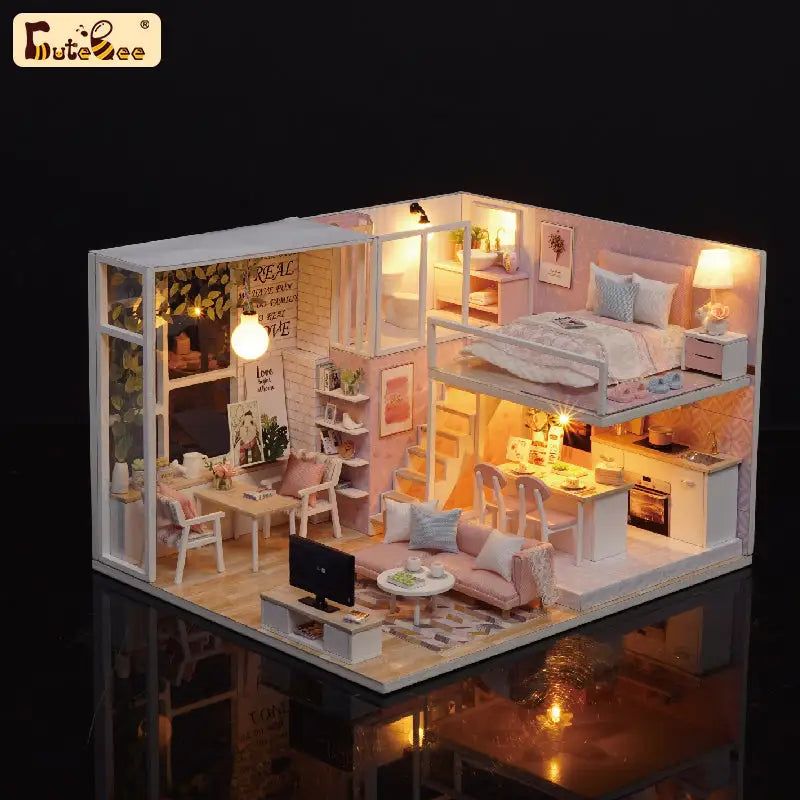
Real or convincing miniature wood, ceramic, and fabric anchor the illusion. Exposed brick, rough-hewn shelving, woven baskets, and linen curtains all reinforce authenticity. The slight imperfections matter. A perfectly smooth shelf feels sterile. A shelf with visible grain and weathered edges feels genuinely lived in, like it has been there for decades and earned every scratch.
Books as Central Objects
Books aren’t just props in a cottagecore book nook. They’re the heart of the design. Spines facing outward, piled casually on tables, stacked under side tables, arranged vertically on shelves. Variety in book spine colors and sizes (even in miniature) creates visual richness and tells the story of an actual reader with actual tastes.
Growing Things
Ivy climbing a wall, potted herbs on a windowsill, wildflowers in a mason jar, climbing roses around a doorframe. Greenery signals life, time, and care. It softens hard edges and connects the tiny book nook to the larger world of gardens and growing things. Even a single sprig of preserved eucalyptus tucked behind a book stack changes the whole atmosphere of a shelf.

Concrete Cottagecore Book Nook Ideas to Build
These five buildable designs range from beginner-friendly window seats to intermediate greenhouse libraries, each capturing the cottagecore spirit through natural materials, layered greenery, and books as the centerpiece of the space. Here are five specific, buildable designs that capture the cottagecore spirit. Each suggests a reading scenario, a mood, and a set of design choices you can adapt to your own materials and preferences. A quick comparison is useful before you dive in:
| Design | Difficulty | Key Skill | Best Kit Match |
|---|---|---|---|
| Garden Library Corner | Intermediate | Wood aging, vine making | Tranquil Life |
| Library Cottage Entryway | Beginner to Intermediate | Composition, color story | Book Nook Kits |
| Window Seat Reading Nook | Beginner | Fabric work, shelf styling | Sun Room Kit |
| Greenhouse Library | Intermediate to Advanced | Painting glass effects, plant sculpting | Greenhouse Kits |
| Countryside Cottage Library | Intermediate | Wall painting, miniature sourcing | Monet’s Garden Kit |
The Garden Library Corner
Picture a weathered wooden bookshelf tucked against a stone or brick wall. Climbing ivy frames one or both sides. A small cushioned reading bench sits in front, piled with throw pillows in linen and vintage floral patterns. Miniature gardening tools lean in a corner. A tiny watering can sits on a side table next to a potted plant.
This design works beautifully because it merges two cottagecore loves: books and gardens. The builder gets to work with varied textures, create layering with different heights of objects, and use the greenery to tie everything together. The difficulty sits at intermediate. You’ll need to paint or source aged wood, create or find climbing vines, and assemble the bench, but no complex mechanics are required.
The Library Cottage Entryway
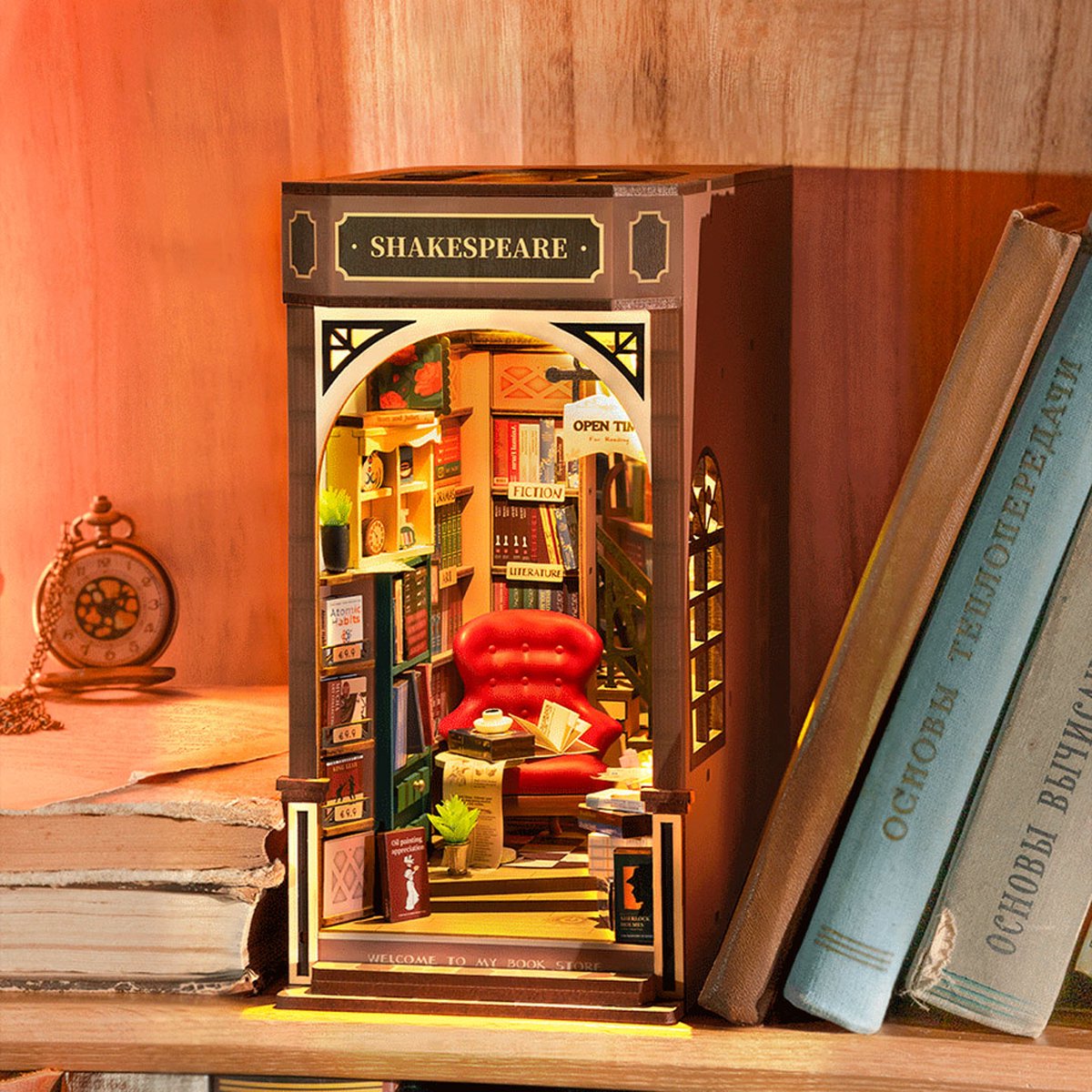
A book nook styled as the front room of a cottage where the walls ARE bookshelves. Wooden shelves in various states of weathering rise from floor to ceiling. Books crowd the shelves, some standing, some lying flat. A narrow wooden table, barely wider than a book stack, holds a reading lamp with a linen shade and a stack of currently-being-read volumes. A small window above the table frames a view of a painted garden or painted sky.
This design celebrates maximalism in a peaceful way. It’s the room of someone who loves books so much that they’ve given over their entire entry to them. The challenge here is composition: making crowded feel curated, not chaotic. Think about your color story before placing a single object. Include warm wood tones, aged gilt on book spines, and one or two accent colors repeated throughout, perhaps sage green or deep burgundy. Difficulty: beginner to intermediate. You’re mainly arranging and styling rather than building from scratch.
The Window Seat Reading Nook
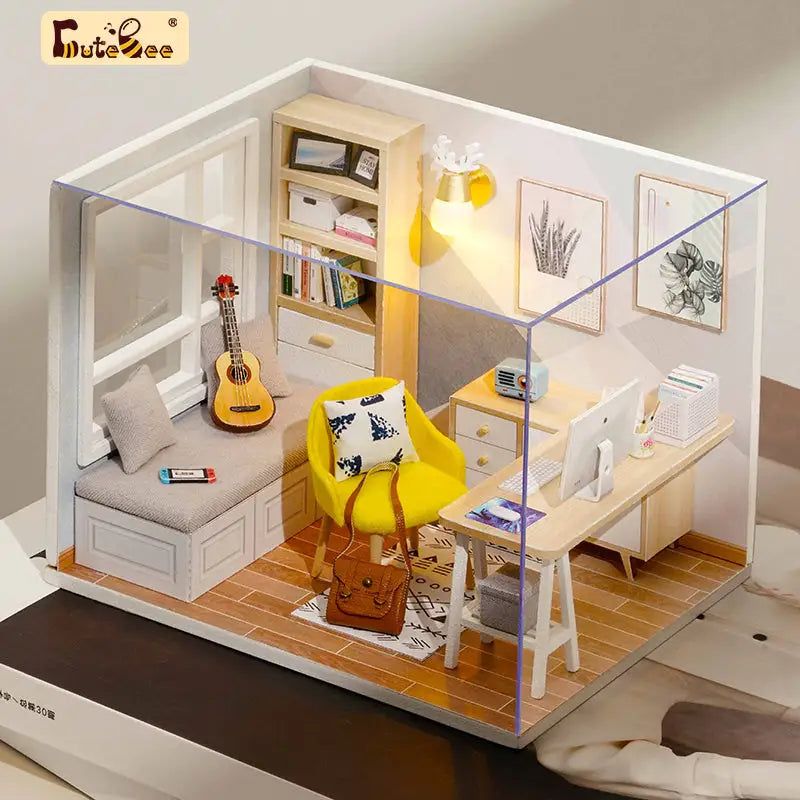
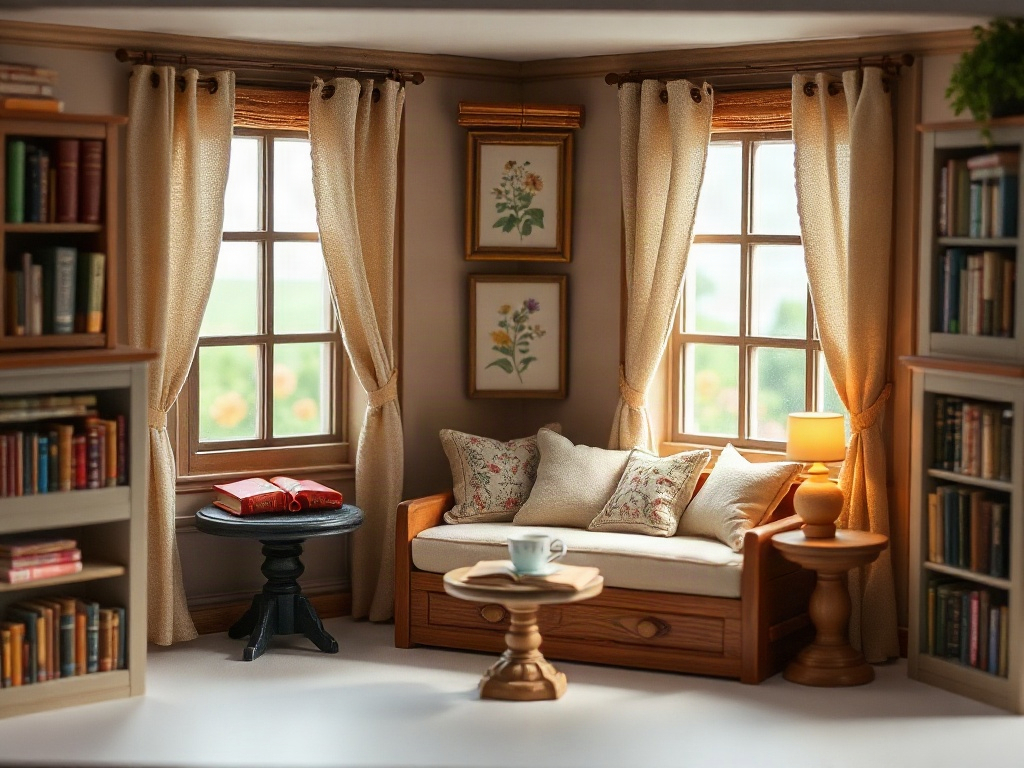
A bay window with a built-in cushioned bench. Shelves flank the window on both sides. Books stack on the shelves, alongside a few treasured objects: a tiny vase, a framed botanical print, a candlestick. The bench cushion invites you to sit. Curtains in cream linen or gingham frame the window. A small side table holds a mug and an open book.
Window seats represent the ultimate cozy reading fantasy. This design is beginner-friendly. You’re working with a simple box structure, adding a cushion, hanging curtains, and styling shelves. The meditative satisfaction comes from the careful selection of every object, from the texture of the fabric to the size of the books to the exact placement of the candle. Our Sun Room Kit translates beautifully to this aesthetic with its light-filled structure and natural material palette.
The Greenhouse Library
Imagine bookshelves in a sunlit greenhouse or garden room. Wooden frames divide the space into sections. Glass panes (or convincing painted or printed glass) suggest natural light. Plants overflow from the shelves alongside books. Herbs in terra cotta pots sit on lower shelves. Hanging vines frame the space. A small round table holds an open journal and a reading light.
This design requires moderate building skills and a willingness to work with layered details, but the result feels genuinely magical. Books and plants create visual complexity that draws the eye from one small story to the next. Difficulty: intermediate to advanced. You’ll benefit from painting skills for the glass effect and some light sculpture work for the plants. Our dedicated miniature greenhouse kits give you an excellent structural head start.
The Countryside Cottage Library
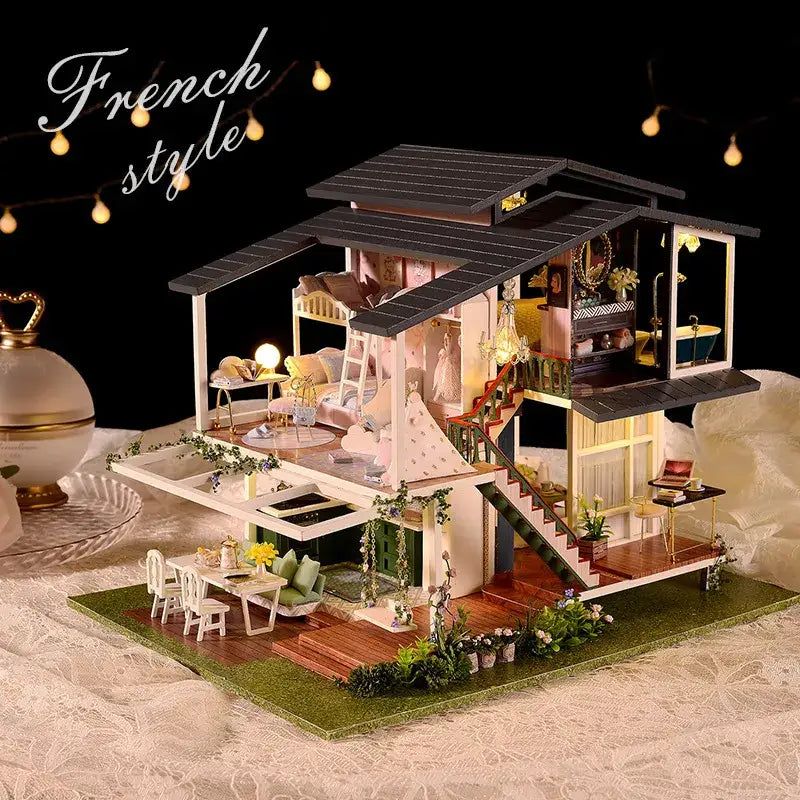
Picture the reading room of a small cottage. Exposed wooden beams across the ceiling. Stone or plaster walls in cream or soft yellow. A fireplace with books stacked on the mantel and beside the hearth. A wingback chair (the smallest you can find) with a knitted throw and a needlepoint pillow. An oil lamp on a side table. Dried flowers in a ceramic jug. A single window with a deep sill where more books are arranged.
This design tells a complete story. It’s the room of someone who lives quietly, reads constantly, and treasures comfort over decoration (though the decoration is abundant and thoughtful). Difficulty: intermediate. You need basic painting skills for the walls and ceiling, the ability to source or create convincing miniatures, and a good eye for arrangement. No complex mechanics. Our Monet’s Garden Kit brings that same spirit of layered, living abundance and works as an inspirational springboard for this design.
Closest to the Countryside Cottage look
Monet’s Garden DIY Miniature House Kit
$155.00
🪄 Hannah’s tip
When styling a cottagecore book nook, resist the urge to match everything. Cottagecore is about the beauty of things collected over time, from different places, different eras. Mix book spine colors. Combine different wood tones. Layer patterns. The visual richness comes from variety, not coordination. When I built my first Victorian cottage, I spent as much time deliberately mismatching as I did selecting pieces. That’s where the personality lives.
When styling a cottagecore book nook, resist the urge to match everything. Cottagecore is about the beauty of things collected over time, from different places, different eras. Mix book spine colors. Combine different wood tones. Layer patterns. The visual richness comes from variety, not coordination. When I built my first Victorian cottage, I spent as much time deliberately mismatching as I did selecting pieces. That’s where the personality lives.
Materials and Sourcing for Authentic Details
Authentic details separate a pretty arrangement from something genuinely memorable: prioritize real miniature books with aged spines, weathered wood tones, period-appropriate textiles, preserved botanicals, and warm LED lighting to make the space feel lived in. Cottagecore thrives on specificity. Here’s what to prioritize when gathering materials for your build. Getting these right is what separates a pretty arrangement from something that genuinely stops people in their tracks.
Books and Spines
This is non-negotiable. Real miniature books exist. Many crafters commission custom book spines printed with actual titles. Others collect vintage dollhouse books from estate sales or specialist suppliers. The spines matter more than the structure of the book itself. You can hand-paint spines onto wooden blocks or cardstock for a more economical approach. Vary the sizes, colors, and finishes. Some should look aged with gold lettering. Others should be cloth-bound and subtly faded. A few should look like they were bought last week, because even cottagecore readers buy new books.
Wood and Aging
Weathered wood is foundational. If you’re working with finished wood pieces, consider dry brushing with acrylics to suggest age, or using wood stain in varied tones. Unfinished wood accepts stain beautifully. Some builders coat finished pieces with thin layers of dark wash and let it pool in crevices, then dry brush lighter tones on raised surfaces to mimic decades of dust and light. The key insight: age from the outside in. The most exposed surfaces should be lightest and most worn; sheltered spots stay darker.
Textiles
Linen, cotton, wool, and vintage-looking fabrics elevate the whole piece. Look for gingham, florals, damask, or subtle plaids in period-appropriate colors. A throw pillow in the wrong color can derail the entire aesthetic. A pillow in exactly the right shade of faded rose or sage transforms the space. When in doubt, tea-stain any fabric that looks too bright. A 10-minute soak in strong black tea and a careful press with an iron creates instant vintage warmth.
Plants and Greenery
Dried flowers and preserved botanicals are your closest allies. You can also paint greenery onto the back wall of your nook or create climbing vines from polymer clay, fabric, or even creatively arranged twine. Some builders use preserved moss as a ground layer, adding an unexpected layer of authenticity and texture. Miniature dried lavender bundles (available from most craft suppliers) bring both color and implied scent to a scene.
Lighting (Optional but Transformative)
A small LED fairy light string or a single warm-white LED tucked behind a painted window can completely transform the atmosphere of a finished cottagecore book nook. The light doesn’t need to be bright. It just needs to be warm. Even a thin copper wire with three tiny warm bulbs draped across the back shelf creates the impression of late-afternoon sun streaming through a window. Many of our book nook kits include pre-routed channels for LED strips, which makes this step much simpler than it sounds.
Building Techniques for Beginners
Starting your first miniature book nook is straightforward: choose a kit that matches your skill level, establish your color palette with paint before adding objects, build from back to front, and let small narrative details do the storytelling. Starting your first cottagecore book nook doesn’t require specialized training. Here’s the actual process most builders follow.
Start with a Kit or Base Structure
Many builders begin with a pre-made book nook kit that provides the basic structure and some materials. This removes the architectural puzzle and lets you focus on styling, color, and details. Kits vary in difficulty. Choose one rated for your skill level. A beginner kit typically includes pre-cut walls, basic shelving, and some materials. An intermediate kit might require assembly, painting, and decision-making about layout. You can find curated collections of book nook kits that match the cottagecore aesthetic, making the sourcing process far simpler than starting from raw wood.
Paint and Prepare Your Surfaces
Before adding objects, establish your color story with paint. Prime any wood with gesso. Apply your base color in two to three thin coats rather than one thick coat. Let each layer dry fully. If you’re creating a stone wall effect, dry brush with two to three related colors to suggest depth and age. This step takes patience, but it creates the foundation for everything else. Rushing the paint stage is the single most common beginner mistake.
Build from Back to Front
Install shelving and major furniture first. Add background elements like wallpaper or painted details. Then layer in medium-sized objects like books, plants, and lamps. Finally, place the smallest, most delicate details. This prevents accidentally knocking over the tiny items you spent the most time on. It also helps you see the composition build up gradually, so you can catch balance problems before everything is glued down.
Let Details Tell Stories
A book left open on a side table. A ribbon marking a page. A reading glasses case sitting beside a stack. A half-finished cup of tea crafted from polymer clay. These micro-details are what transform a pretty arrangement into a narrative space. They answer the question: “Who reads here? What kind of day did they have? What are they reading right now?” The more specifically you can answer those questions, the richer your finished nook will feel.
The Meditative Rhythm of Building
The building process is itself a key reason cottagecore book nooks resonate so deeply: working slowly through color decisions, tiny placements, and hand-crafted details creates a meditative flow state that most modern hobbies simply cannot match. One reason cottagecore book nooks resonate so deeply is the building process itself. Unlike projects with deadlines or competitive elements, a book nook invites you to slow down. You’re making decisions about color and placement, problem-solving tiny challenges, and building muscle memory for detailed work.
Experienced crafters consistently report that the process becomes almost meditative once you settle into it. Your hands know what to do. Your mind quiets. Time disappears. When you step back and see what you’ve made, the satisfaction runs deeper than most hobbies offer. You’ve created a world. You’ve made it with intention and care, one tiny decision at a time.
For gift-givers, a cottagecore book nook kit offers something genuinely personal. It’s a gift that says, “I know you love to read. I think you deserve beauty around that love.” It’s a project that can be shared, discussed, refined over weeks. It becomes a touchstone in someone’s creative life, a project they remember and return to.
Frequently Asked Questions about Cottagecore Book Nook Ideas
Everything you might be wondering (click a question to expand).
How long does it take to build a cottagecore book nook?
A simple kit with basic styling can be completed in 10 to 20 hours, spread over several weeks. More elaborate designs with custom painting, hand-sculpted details, or extensive landscaping can take 40 to 100 hours. The timeline matters less than the rhythm. Many builders work on their nooks in short, meditative sessions rather than marathon building days. That pacing is part of the joy.
Do I need special tools to build a book nook?
No. Most cottagecore book nooks require only basic craft supplies: fine paintbrushes, craft glue, scissors, tweezers for placing tiny objects, and a small work surface. A magnifying lamp helps if you’re doing detailed work, but it’s optional. Specialized tools might make certain tasks easier, but they’re never essential. Many of the most beautiful nooks on community forums were built with tools from a basic craft kit that cost under $20.
Can I customize a kit to my own color scheme?
Absolutely. Kits provide structure and some materials, but you have complete control over paint colors, fabric choices, and which objects you add. Many builders use a kit as a foundation and then source additional materials that match their specific vision. This is where the personal expression happens. Some of the most striking builds we’ve seen started from the same kit and ended up looking completely different because of the builder’s color choices alone.
What’s the difference between a book nook and a dollhouse?
A book nook is a smaller, single-room display typically designed to sit on a shelf or desk, viewed from the front. A dollhouse is a larger structure with multiple rooms, usually opening at the front to reveal interior spaces. Book nooks are more intimate and require less space. They’re also generally easier for a first-time builder, which makes a cottagecore book nook an excellent entry point into the miniature hobby before committing to a full dollhouse project.
Where should I display my finished book nook?
A quiet shelf in a bedroom, office, or reading space is ideal. Good lighting (natural or a small reading lamp positioned to illuminate the nook) enhances the display considerably. Avoid direct sunlight, which can fade colors over time. Some builders create special display stands or shelving units to showcase multiple book nooks side by side. A windowsill with indirect northern light is often the sweet spot for both display and preservation.
Which cottagecore book nook design is best for a complete beginner?
The Window Seat Reading Nook is the gentlest starting point. The structure is simple (essentially a box with a cushion and curtains), the styling is forgiving, and you can achieve a beautiful result without any advanced painting or sculpting skills. Pair it with our Sun Room Kit for a pre-cut base that takes the guesswork out of construction. From there, you can build your skills toward the Greenhouse Library or Countryside Cottage designs.
Building Your Own Cottagecore Story
A cottagecore book nook is an act of quiet rebellion in a fast-moving world: it says you believe in beauty, in stories, and in the value of slow, intentional making, and you can start with any one of the five designs above. A cottagecore book nook is an act of quiet rebellion in a fast-moving world. It says you believe in beauty. You believe in stories. You believe that taking time to create something small and detailed and intentional is genuinely worthwhile.
Whether you’re a lifelong reader, a craft enthusiast, or someone simply seeking a project that demands slow, mindful work, a cottagecore book nook gives you permission to do that. It’s a space you build for yourself or for someone you love. It’s a reminder that cozy exists. You can make it with your hands. You can step inside its story, even for a moment, whenever you need to step away from the noise of the world. Start with whichever design calls to you most from the five above, gather your materials, and let the building begin.