🎁 Buy 2 kits, get the 3rd FREE · Free shipping on every order


Anavrin vs Miniature House Kits: An Honest Comparison for 2026
Thinking about choosing between Anavrin and a big-name miniature house brand? This honest, side-by-side comparison covers kit quality, catalog breadth, difficulty levels, price, and community support so you can pick the right build for your shelf.

You found two tabs open on your browser. One is Anavrin. The other is a big-name miniature house brand everyone seems to recommend first. Both look good in the photos. Both promise hours of satisfying craft. The prices are close enough that neither one feels like an obvious winner.
So which do you actually buy?
I have built kits from both, and I have talked to hundreds of crafters in our community who have too. This Anavrin vs miniature house honest comparison lays out the real differences: what each brand does well, where each falls short, and exactly which type of builder tends to be happiest with each choice. No sponsored softening, no affiliate spin.
How the Anavrin vs miniature house Conversation Usually Starts
The Anavrin vs miniature house debate typically begins on social media, where a finished build photo sparks immediate curiosity, and both camps earn enthusiastic followers for distinct reasons rooted in the build experience, not just the finished photo. Most people land on this question after seeing a finished build on social media. Someone posts a glowing photo of a tiny Japanese tea room or a candlelit bookshop, and you immediately want one. Then you go searching and find two distinct camps: a handful of well-established brands with large retail presences, and Anavrin, which keeps coming up in crafting forums with unusually enthusiastic word-of-mouth.
The honest starting point is this: both categories of kits can produce beautiful results. The differences live in the details of the experience, not just the finished photo.
Kit Quality: Materials, Parts Precision, and What Arrives in the Box
What “quality” actually means for a miniature kit
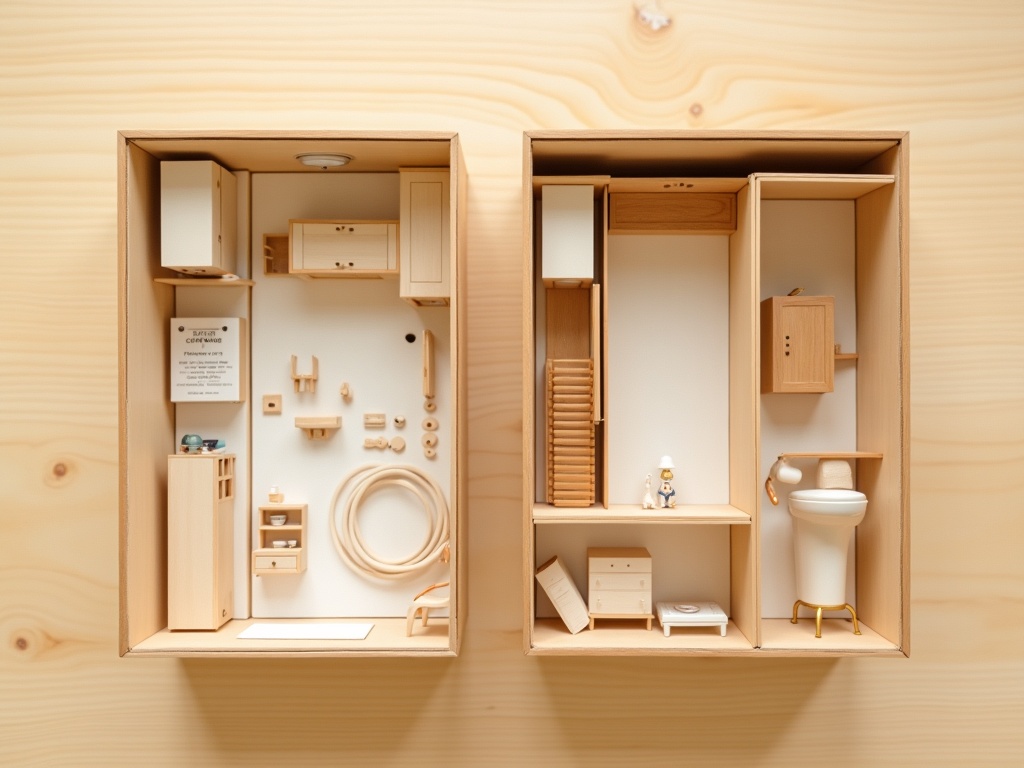
Both mainstream brands and Anavrin now use laser-cut basswood as standard, but Anavrin’s key quality edge is its builder-tested photo instruction guides, which remove the mid-build frustration that plagues most translated instruction sets. When crafters talk about quality in this hobby, they mean three things: wood cut precision (do the laser-cut pieces pop out cleanly without tearing?), material consistency (is every sheet of the same thickness?), and accessory detail (do the tiny furniture pieces feel like real furniture or like afterthoughts?).
Mainstream miniature house kits have improved significantly since 2020. Laser-cut basswood is now standard at most price points above $35. At around $45-$70 retail, you typically get clean cuts, pre-printed wallpaper sheets, and basic LED lighting kits. The instructions, however, are a consistent pain point. They are often translated from Chinese or Japanese with minimal context, leaving mid-build crafters stuck on steps that reference part numbers without photos.
Anavrin kits sit in a noticeably different lane on instructions. Every build comes with step-by-step photo guides that were written and tested by builders who actually completed the kit first. That sounds obvious, but it makes a real difference at 11pm when you are trying to figure out which tiny bracket goes where. The wood quality matches mainstream competitors at comparable price points, and the furniture accessories trend toward higher detail on average. If you are curious how our kits compare to a specific theme you have in mind, the full miniature house kits collection includes build-time estimates and difficulty ratings on every product page.
Packaging and first impressions
Unboxing matters more than people admit. Mainstream kits often arrive in a plain brown box with parts loosely bagged. Some pieces shift during shipping and arrive with minor nicks. Anavrin packs components in labeled compartments, which does two things: it protects the parts, and it makes sorting before you build genuinely calming rather than chaotic. That first ten minutes of sorting tiny furniture pieces is part of the meditative pleasure of this hobby, and organized packaging honors that.
Anavrin vs Miniature House Honest Comparison: A Side-by-Side Look
Across the four dimensions crafters ask about most, Anavrin holds a clear advantage on instruction quality, difficulty calibration, and mid-tier value, while big-name brands lead on catalog volume and budget entry pricing. Sometimes the clearest way to see the differences is to put them in a single view. The table below captures how Anavrin vs miniature house honest comparison shakes out across the four dimensions crafters ask about most: quality, catalog breadth, difficulty calibration, and price-to-value. “Advantage” means that brand consistently edges ahead in community feedback; “Similar” means both deliver comparable results at the same price point.
| Category | Anavrin | Big-Name Brands | Who Wins |
|---|---|---|---|
| Wood & Parts Quality | Laser-cut basswood, labeled compartments, consistent sheet thickness | Laser-cut basswood standard above $35; occasional thickness variation | Similar at comparable price |
| Instruction Quality | Photo-guided, builder-tested, 2-3 photos per step | Often translated with part-number references only; minimal photos | Anavrin advantage |
| Catalog Breadth | Curated lineup (~80-100 designs) with deep community support per title | 80-150+ designs; some titles receive little community attention | Big-name for volume; Anavrin for curation |
| Difficulty Calibration | Tested 1-5 scale calibrated against real first-timer feedback | Loose “beginner / intermediate / advanced” labels; inconsistent | Anavrin advantage |
| Price (entry level) | $42-$68 for comparable features | $35-$55 for comparable features | Big-name for budget entry |
| Mid-tier value ($65-$95) | LED lighting, full furniture sets, fabric details included | LED and full furniture sets often start above $100 | Anavrin advantage |
| Post-purchase support | Builder community replies within hours; correction materials mailed if needed | Large forums; brand response times 1-2 weeks | Anavrin advantage |
Catalog Breadth: Styles, Themes, and Finding Your Build
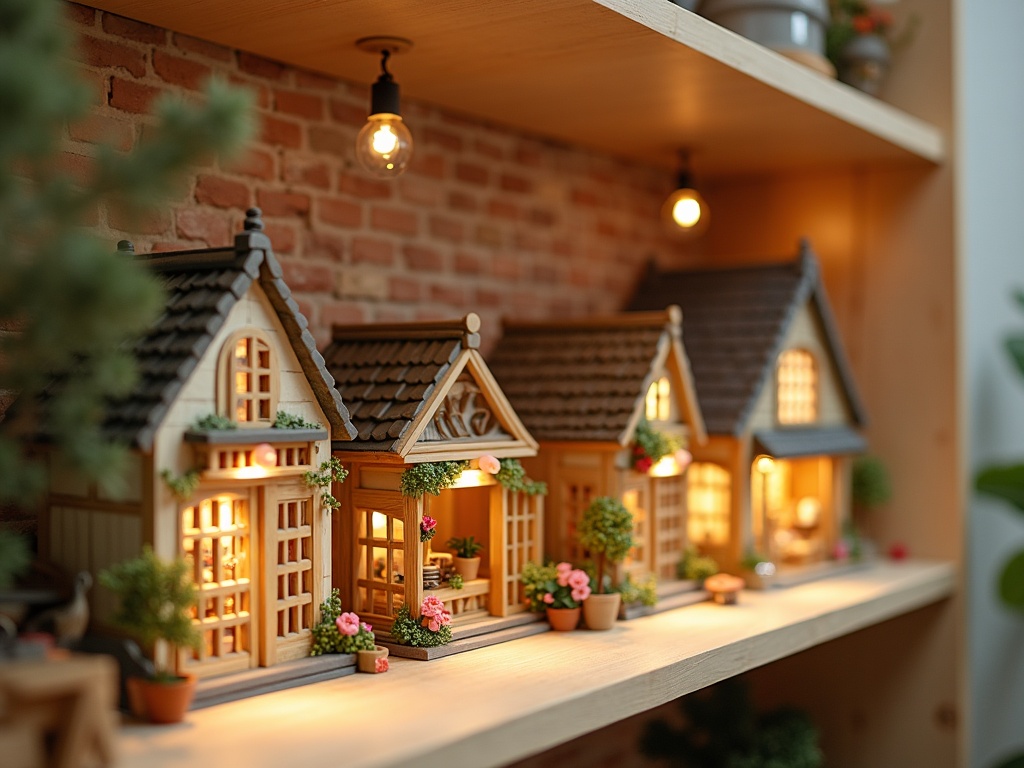
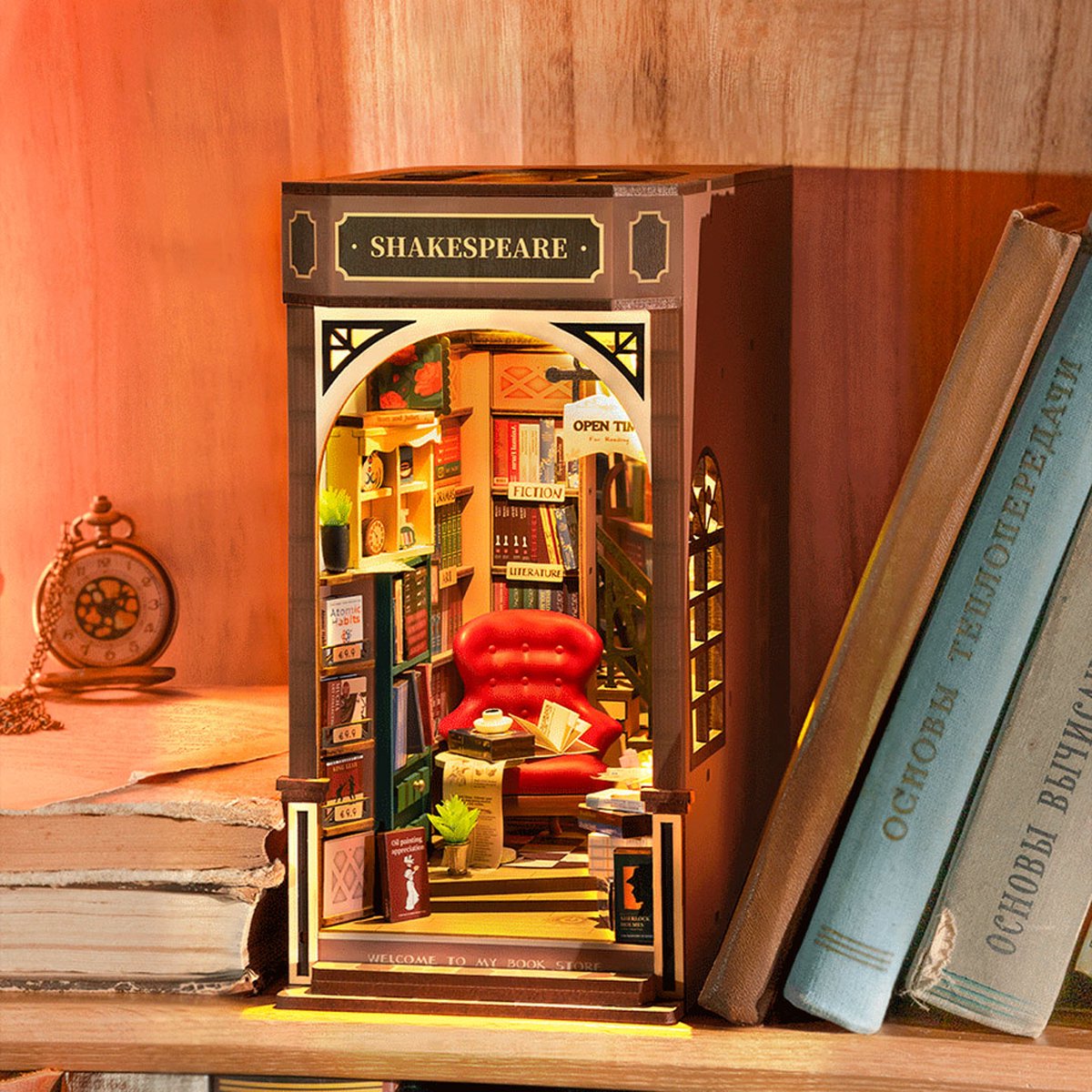
Mainstream brands offer 80-150+ designs for maximum variety, while Anavrin’s curated catalog of roughly 80-100 kits means nearly every title has a devoted fan base and deep community support behind it. This is where the comparison shifts meaningfully. Mainstream miniature house brands, particularly the largest players, carry wide catalogs that span 80 to 150+ distinct kit designs. You can find everything from European bistros to Japanese shrines to modern loft apartments. That breadth is genuinely valuable if you are a collector who wants visual variety on the same shelf.
Anavrin’s catalog is curated rather than exhaustive. Every design added to the lineup went through a community feedback loop first. Our most popular themes, including cozy bookshops, botanical studios, and cottagecore cottages, came directly from builders who kept asking for them in comments and emails. The result is a smaller catalog where nearly every kit has a devoted fan base, rather than a sprawling range where some designs sit quietly without much love.
The practical implication: if you want maximum theme variety and you plan to build ten or more kits, you will eventually exhaust any single brand’s catalog and mix from multiple sources anyway. If you want your first two or three builds to feel handpicked and well-supported, a curated catalog with deeper community roots tends to deliver a better experience.
Browse our best-selling Anavrin vs miniature house top picks to see which themes our community keeps returning to. The Botanist’s Greenhouse and the Rainy Day Bookshop consistently lead the list, and both come with full photo instruction guides and pre-sorted parts.
✨ Hannah’s tip
Before committing to any kit, flip through the instruction booklet images online if the brand shares them. Count how many photos appear per step. A kit with 2-3 photos per assembly step will save you significant frustration compared to one with a single line drawing per step. This one detail predicts about 80% of the “I got stuck and gave up” stories I hear from community members.
Before committing to any kit, flip through the instruction booklet images online if the brand shares them. Count how many photos appear per step. A kit with 2-3 photos per assembly step will save you significant frustration compared to one with a single line drawing per step. This one detail predicts about 80% of the “I got stuck and gave up” stories I hear from community members.
Difficulty Ratings: Who Each Brand Actually Builds For
Beginner builds and the first-timer experience
Anavrin’s 1-5 difficulty scale was calibrated against real first-timer feedback, making it far more reliable than the loose “beginner / intermediate / advanced” labels most mainstream brands use, which can set new crafters up for frustrating surprises. Mainstream miniature house brands label difficulty loosely. “Beginner” on one brand’s packaging can require a full afternoon of careful cutting and dry-fitting before any gluing starts. The labels are marketing approximations, not crafting benchmarks.
Anavrin rates difficulty on a 1-5 scale that was calibrated against real first-timer feedback. A Level 1 kit means a 12-year-old with no prior craft experience completed it with light adult supervision. A Level 3 means a casual hobbyist with some prior kit experience will spend a comfortable 6-8 hours across two or three sessions. Level 5 kits are for builders who want a genuine challenge, with multi-room structures, working drawers, and sub-1mm detail work on furniture accessories.
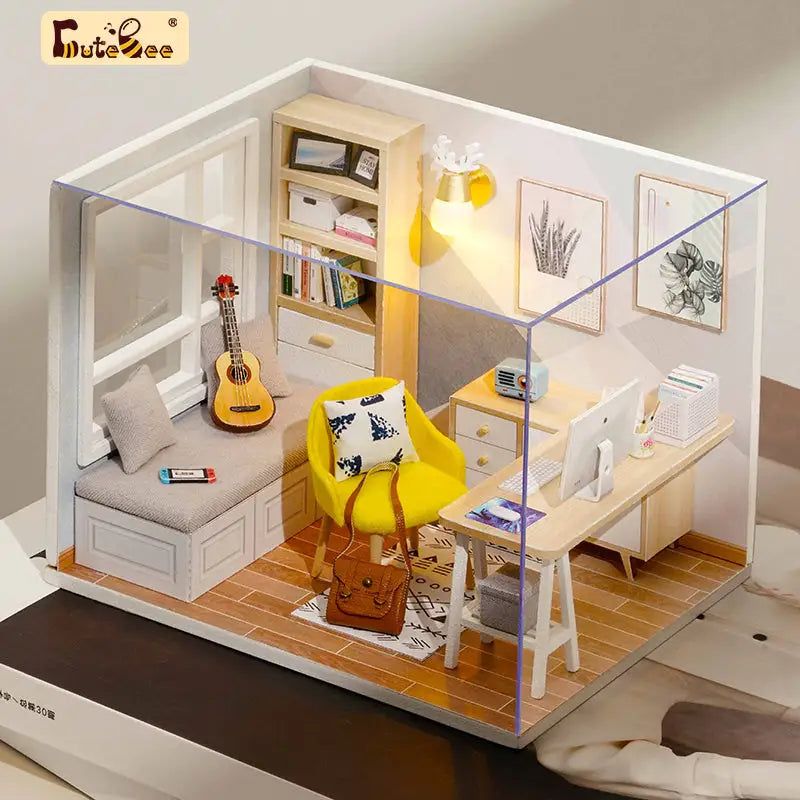
That calibration matters enormously as a gift buyer. If you are buying for a teenager or a friend new to the hobby, a mislabeled “beginner” kit that actually demands intermediate patience is the fastest way to kill their interest in miniature crafting entirely. Choosing the right difficulty level for a miniature house kit is arguably more important than choosing the right theme. Our miniature house kits page filters by difficulty level so you can narrow down quickly.
Advanced builds and collector-grade detail
Experienced builders sometimes feel that mainstream kits cap out at a certain complexity level. The structures get bigger, but the techniques required don’t always deepen. Anavrin’s Level 4 and Level 5 kits were designed specifically for builders who told us they wanted more challenge without simply “more pieces.” That means compound joinery, multi-layer lighting setups, and furniture that requires shaping rather than just assembly.
📜 Did you know?
The tradition of miniature house building dates back to 16th-century Europe, where cabinet houses (Kabinettschränke) were crafted as adult collectibles, not children’s toys. Dutch merchants commissioned them as displays of wealth, filling them with silver miniatures and hand-painted ceramics. The hobby only shifted toward a general craft audience in the 20th century, when ready-to-build kits became commercially available in the 1970s.
The tradition of miniature house building dates back to 16th-century Europe, where cabinet houses (Kabinettschränke) were crafted as adult collectibles, not children’s toys. Dutch merchants commissioned them as displays of wealth, filling them with silver miniatures and hand-painted ceramics. The hobby only shifted toward a general craft audience in the 20th century, when ready-to-build kits became commercially available in the 1970s.
Price and Value: What You Actually Pay Per Hour of Craft
Anavrin’s clearest value advantage sits in the $65, $95 mid-tier range, where kits include LED lighting, full furniture sets, and structural complexity that mainstream brands typically reserve for kits priced above $100. Sticker price comparisons rarely tell the full story. A $38 kit that takes 4 hours to build and a $52 kit that takes 10 hours are not directly comparable on price alone. The second one costs less per hour of creative time, and it keeps you off your phone for an entire weekend afternoon.
Mainstream miniature house kits at the $35-$55 range are the most price-competitive segment. Anavrin kits in the same range tend to run $42-$68, reflecting the higher accessory detail and the cost of producing verified photo instruction guides. For gift buyers, that modest premium translates into a noticeably more polished unboxing experience and fewer frustrated texts from the recipient mid-build.
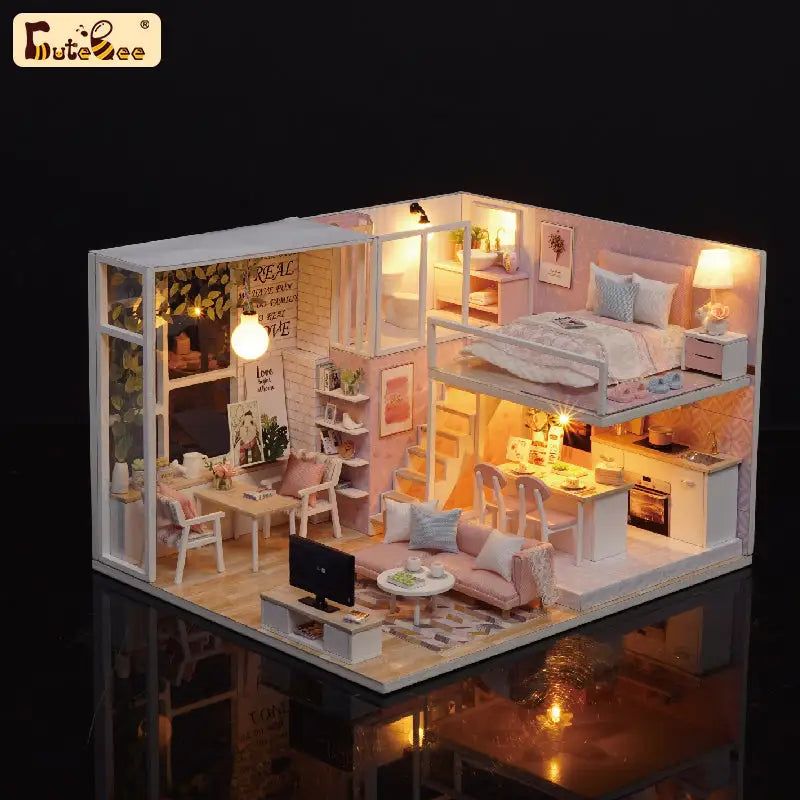
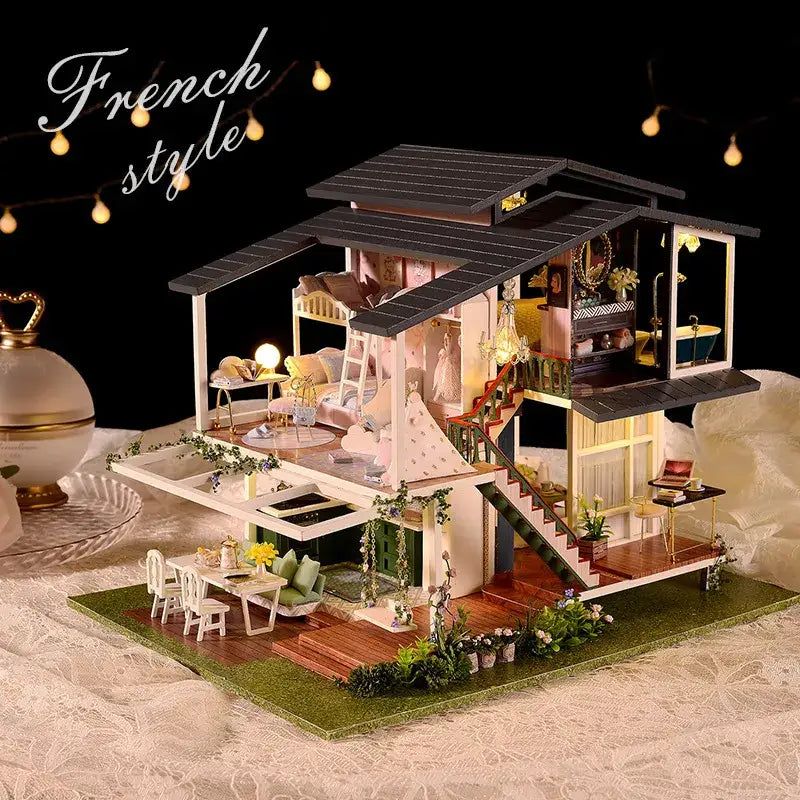
Where Anavrin holds a clear value advantage is in the mid-tier range of $65-$95. Kits in this band include working LED lighting, full furniture sets, and structural complexity that mainstream brands typically reserve for kits priced above $100. Several community members who had previously built mainstream kits in the $80+ range noted that Anavrin kits at $70 felt more complete. The Tranquil Life kit at $67.90 is a good illustration: it includes pre-wired LED lighting, a full fabric soft-furnishing set, and a working hinged door, features you would expect to pay $90+ for with most mainstream brands.
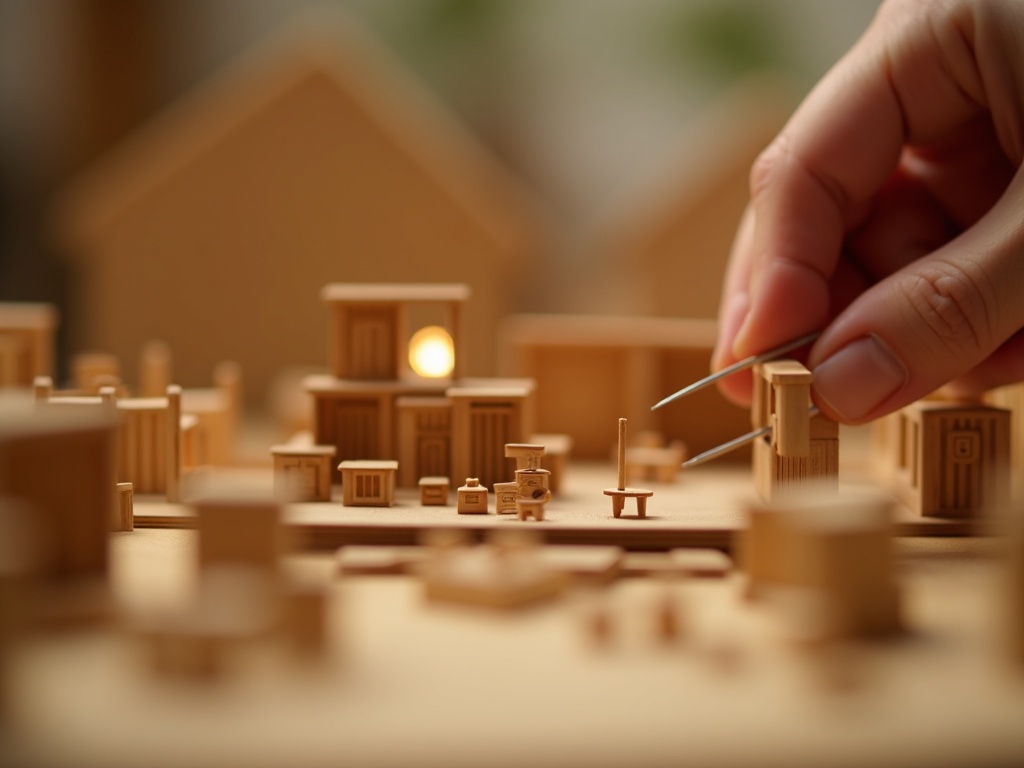
The mid-tier value sweet spot in detail
To make the mid-tier advantage concrete: the Monet’s Garden kit at $155 is an exception aimed at serious collectors who want a centrepiece build. But between $55 and $95, Anavrin’s lineup is arguably the most value-dense in the hobby right now. Consider the Tranquil Life kit (above) for a mid-range cottagecore build, or browse the best-seller collection to compare what is included at each price point side by side. Community members who moved from mainstream kits to Anavrin in this price band are the most consistently enthusiastic group we hear from.
Community, Support, and What Happens After You Open the Box
Post-purchase support is the most underrated variable in this hobby: Anavrin’s community replies within hours and has mailed physical correction cards when needed, while mainstream brand response times typically stretch to one to two weeks. Post-purchase support is the most underrated variable in this hobby. Building a miniature house is not linear. You will misplace a part. You will wonder if your glue is setting correctly. You will hit a step where the photo and the actual piece in your hand don’t match.
Mainstream brands offer varying levels of customer support. The largest ones have replacement part programs, though response times can stretch to 1-2 weeks. Their online communities (Facebook groups, Reddit threads) are large and active, which means someone has almost certainly hit your exact problem before and posted about it.
The Anavrin community is smaller but notably more responsive. Build threads on our platform get direct replies from experienced builders within hours, not days. When a batch of kits shipped with a mislabeled instruction step in 2024, we posted a correction video within 48 hours and mailed physical correction cards to everyone who had ordered that batch. That kind of response is easier to deliver when you are not managing a catalog of 150 SKUs across three continents.
For new crafters especially, community texture matters. Knowing there is a real human behind the brand, and a group of actual builders who will cheer your finished shelf photo, turns a solo hobby into something that feels genuinely connected. Explore our top-rated kits to see the community photos and reviews attached to each design.
Which Kit Wins for Gift Buyers Specifically
For most gift situations, an Anavrin kit wins: photo-guided instructions and pre-sorted parts remove the two biggest beginner friction points, and difficulty levels calibrated against real first-timers make it easy to match the kit to the person. Gift buying for a crafter you don’t know well is stressful. You want something that looks impressive, arrives well-packaged, and won’t frustrate the recipient on the first build session.
- For a complete beginner: An Anavrin Level 1 or Level 2 kit, because the photo instructions and pre-sorted parts remove the two biggest beginner friction points. Pair it with a small bottle of wood glue and a set of fine-tip tweezers.
- For a teen or young adult: A themed kit that matches their interests. A miniature bookshop for a reader, a miniature café for a coffee obsessive. Theme-matching increases the chance they actually build it rather than shelving it.
- For an experienced builder: Skip the beginner range entirely and go Level 4 or Level 5. Experienced builders are not impressed by quantity of pieces; they want technique challenges.
- For a collector who already owns mainstream kits: An Anavrin kit gives them a new visual style and a noticeably different build experience. The contrast is part of the appeal.
Our best-seller collection includes gift-ready kits with suggested difficulty ratings and estimated build times on each product page, so you can match the kit to the person without guessing.
FAQ: Anavrin vs Miniature House Kits
The questions our community asks most often, answered honestly (click any question to expand).
Are Anavrin kits compatible with accessories from other miniature brands?
Generally yes. Anavrin kits use standard 1:12 scale (one inch equals one foot), which is the most common scale in the hobby. Furniture and accessories from most mainstream brands will fit dimensionally. Paint, wallpaper sheets, and lighting components are also interchangeable at this scale.
Do Anavrin kits include glue and tools, or do you need to buy those separately?
Most Anavrin kits include the structural and decorative materials but not adhesive or tools. The product page for each kit lists exactly what is included and recommends the specific glue type. A basic set of tools (tweezers, a craft knife, small clamps) covers nearly every kit in the catalog. Check our best-selling kits page for product-specific materials lists.
How long does a typical Anavrin miniature house kit take to build?
Build time ranges from around 4 hours (Level 1 kits) to 18-25 hours (Level 5 kits). Most crafters spread the work across multiple sessions rather than building in one sitting. The meditative aspect of the hobby means that shorter, focused sessions of 60-90 minutes often produce better results than marathon builds.
Can I display a finished Anavrin kit without a case or cover?
Yes. Finished kits are display-ready as standalone pieces. Many builders add a clear acrylic dust cover after completing the build, particularly for kits with very fine detail work. The finished structures are stable without one, though dust accumulation on open shelving is worth considering for long-term display.
Is there a meaningful quality difference between a $40 kit and a $70 kit?
At Anavrin, yes. The price difference between a $40 and a $70 kit reflects additional furniture accessories, pre-wired LED lighting components, and more complex structural elements rather than just a larger footprint. The $70 range also tends to include fabric and soft-furnishing details that lower-priced kits omit. For a first build, a mid-range kit (around $50-$60) balances challenge with achievability.
How do I choose the right difficulty level for my first miniature house kit?
Start by being honest about your prior craft experience. If you have never built a kit of any kind before, choose a Level 1 or Level 2 Anavrin kit: these were tested with real first-timers and come with photo-guided instructions at every step. If you regularly do detailed craft work (model painting, embroidery, origami), you can comfortably start at Level 3. The most common mistake is choosing a kit by theme alone and ignoring difficulty: a beautiful kit that frustrates you mid-build is less satisfying than a simpler one you complete and love. Browse our miniature house kits filtered by difficulty to find your match.
Picking the Right Build for Where You Are Right Now
Neither brand wins universally: mainstream kits offer unmatched catalog variety and large communities, while Anavrin delivers a tighter, more intentional experience with instructions that actually work and difficulty ratings calibrated for real builders. The honest answer to the full Anavrin vs miniature house honest comparison is not that one brand is universally better. It is that they serve slightly different needs at different points in a builder’s journey. Mainstream brands offer unmatched catalog variety and large online communities built up over years. Anavrin offers a tighter, more intentional experience: curated themes, instruction guides that actually work, and a community that responds like a community rather than a help ticket queue.
If this is your first kit, or if you are buying one as a gift, the instruction quality and difficulty calibration at Anavrin reduce the chance of a frustrating experience significantly. If you are a veteran builder who has already completed fifteen kits and wants to try every theme under the sun, you will eventually shop from multiple brands anyway, and Anavrin fits naturally into that rotation for its mid-to-advanced range.
The best kit is always the one that gets built. Start where the instructions make you feel capable, the theme makes you excited to sit down, and the difficulty keeps you just challenged enough to lose track of time. That combination exists in our best-selling miniature house and book nook kits, and it is exactly the reason the community keeps building. ✨