🎁 Buy 2 kits, get the 3rd FREE · Free shipping on every order


Best Miniature House Brands of 2026: An Honest Roundup for Every Builder
An honest, detailed roundup of the best miniature house brands of 2026, covering Robotime, Greenleaf, CuteDeco, Brigamo, and puzzle-hybrid formats. Includes difficulty ratings, what's in each box, strengths, weaknesses, and a buyer's guide for beginners and gift shoppers.

The best miniature house brands of 2026 span a surprisingly wide range, from mass-market kits that cost less than a dinner out to boutique collections with hand-finished laser-cut wood and custom furniture. Whether you’re buying your first kit or adding a sixth piece to your display shelf, knowing who makes what (and at what quality level) saves you real money and real frustration.
This roundup covers the brands hobbyists, collectors, and gift buyers talk about most right now. Each section is honest: strengths, weaknesses, difficulty level, what’s actually included in the box, and who each brand serves best. No fluff. And because a single comparison table is worth a hundred adjectives, there’s a quick-reference chart near the end of this guide so you can compare all five brands at a glance before you buy.
How the Miniature House Market Looks in 2026
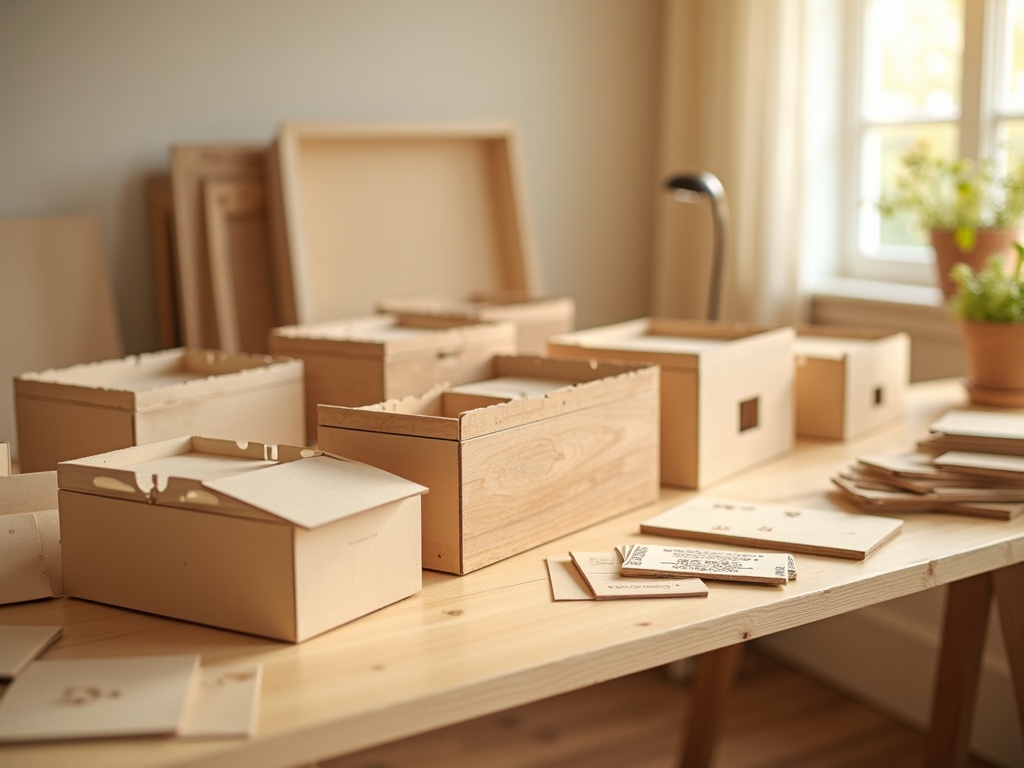
In 2026, the miniature house market divides cleanly into three tiers: budget kits under $35, mid-range kits from $40 to $90, and premium boutique kits above $90, each serving a different type of builder with a different experience. The hobby has grown steadily since the early 2020s. Craft communities on social platforms now number in the millions, and demand for quality kits has pushed several smaller studios to expand their catalogs dramatically. At the same time, a handful of well-known budget brands have flooded the market, making it harder for newcomers to know where to start.
Broadly, brands fall into three tiers:
- Mass-market / budget kits (under $35): thin MDF, minimal instructions, basic glue-and-assemble.
- Mid-range kits ($40-$90): better tolerances, richer accessory packs, more detailed facades.
- Premium / boutique kits ($90 and up): thick laser-cut wood, curated color palettes, illustrated guides, community support.
Difficulty ratings throughout this article follow a 1-5 scale: 1 means a confident 10-year-old can finish it solo; 5 means experienced builders only.
📜 Did you know?
Miniature house building as a hobby traces back to 17th-century Dutch “cabinet houses,” luxury display objects commissioned by wealthy merchants. The modern DIY kit format, with pre-cut wood and printed instructions, became widely available in the 1970s when Greenleaf Dollhouses began mass-producing kits in the US. Today’s laser-cut precision is a direct descendant of that tradition, now accessible to anyone with a craft table and an afternoon to spare.
Miniature house building as a hobby traces back to 17th-century Dutch “cabinet houses,” luxury display objects commissioned by wealthy merchants. The modern DIY kit format, with pre-cut wood and printed instructions, became widely available in the 1970s when Greenleaf Dollhouses began mass-producing kits in the US. Today’s laser-cut precision is a direct descendant of that tradition, now accessible to anyone with a craft table and an afternoon to spare.
Robotime / Rolife: The Budget Workhorse Everyone Knows
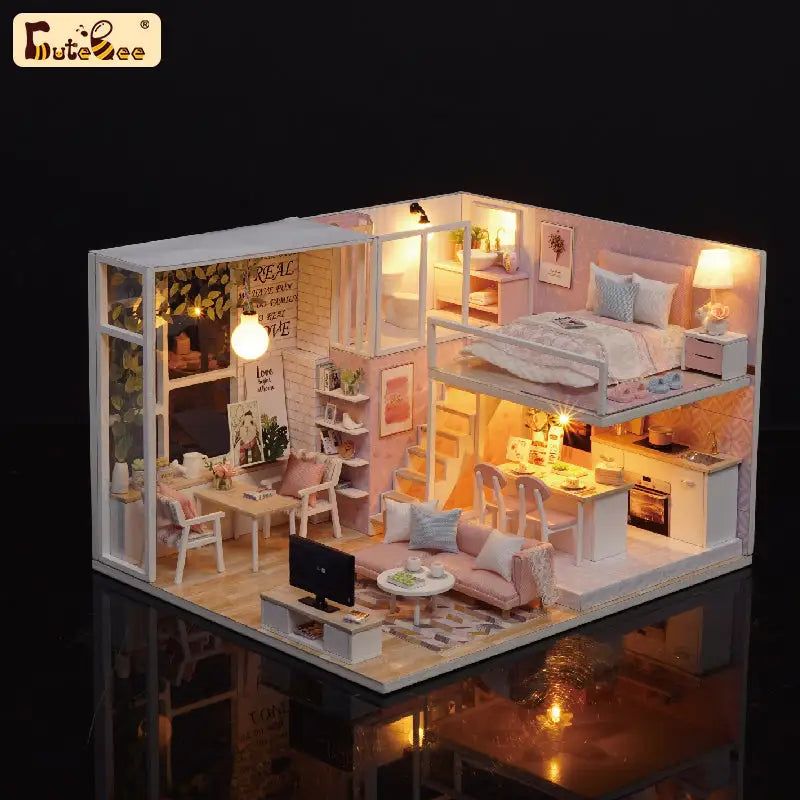
Robotime and its Rolife sub-brand are the most widely available entry-level miniature house kits globally, retailing between $25 and $55 on Amazon with a broad range of themes and a difficulty level accessible to first-time builders. Robotime (also sold under the Rolife sub-brand) is almost certainly the most recognizable name in entry-level miniature houses globally. The brand ships from China and retails primarily through Amazon, where its kits regularly appear in “bestseller” badge positions.
What’s included: pre-cut basswood sheets, a set of miniature furniture pieces, basic LED string lights on select models, thin fabric swatches, and a pictographic instruction sheet.
Strengths:
- Price point: most kits fall between $25 and $55.
- Wide variety of themes (Japanese tea house, Parisian bookshop, coastal cabin).
- Parts fit reasonably well on standard models.
- Good entry point for curious beginners who want to test the hobby before investing more.
Weaknesses:
- Instructions rely heavily on pictures; written explanations are minimal.
- Wood thickness is often 2-3 mm, which can warp on larger builds.
- Dust covers (plastic display boxes) are sold separately and sized inconsistently.
- Little community support if something goes wrong mid-build.
Difficulty rating: 2/5 for standard kits, 3/5 for the larger “Tiny House” series.
Best for: first-time builders, kids 12+, quick weekend projects, budget-conscious gift buyers.
Greenleaf Dollhouses: The American Classic
Greenleaf Dollhouses has produced wood dollhouse kits in the US since 1947, making it the longest-standing name in the hobby; its thick plywood construction and standardized 1:12 scale remain benchmarks that newer brands are still measured against. Greenleaf Dollhouses has been producing wood dollhouse kits in the US since 1947. That history matters. Their plywood construction is noticeably sturdier than most budget imports, and the 1:12 scale they standardized decades ago remains the most common scale for collectors today.
What’s included: pre-cut plywood panels, hardware (hinges, screws), and printed instructions. Furniture and decor are sold separately, which suits builders who prefer to source their own interiors.
Strengths:
- Thick plywood (up to 5 mm on structural walls) holds paint and wallpaper beautifully.
- Classic Victorian and cottage silhouettes that serious collectors value.
- Active forums and a long paper trail of community tutorials.
- Kits can be passed down, repainted, and refurbished for years.
Weaknesses:
- No furniture included, so total project cost climbs fast.
- Larger kits (like the “Beacon Hill”) require significant time commitment: 40-80 hours for a finished display piece.
- The brand’s design catalog has not updated dramatically in recent years.
- Sourcing matching 1:12 scale furniture separately can be genuinely time-consuming for new builders.
Difficulty rating: 3/5 to 4/5 depending on model size.
Best for: experienced hobbyists, collectors who want a long-term project, builders who enjoy sourcing custom 1:12 scale furniture. If you’re new to the hobby and drawn to classic Victorian architecture, pairing a Greenleaf shell with pieces from our miniature furniture and accessories collection is a practical shortcut.
CuteDeco (Our Brand): Where Community and Craft Meet
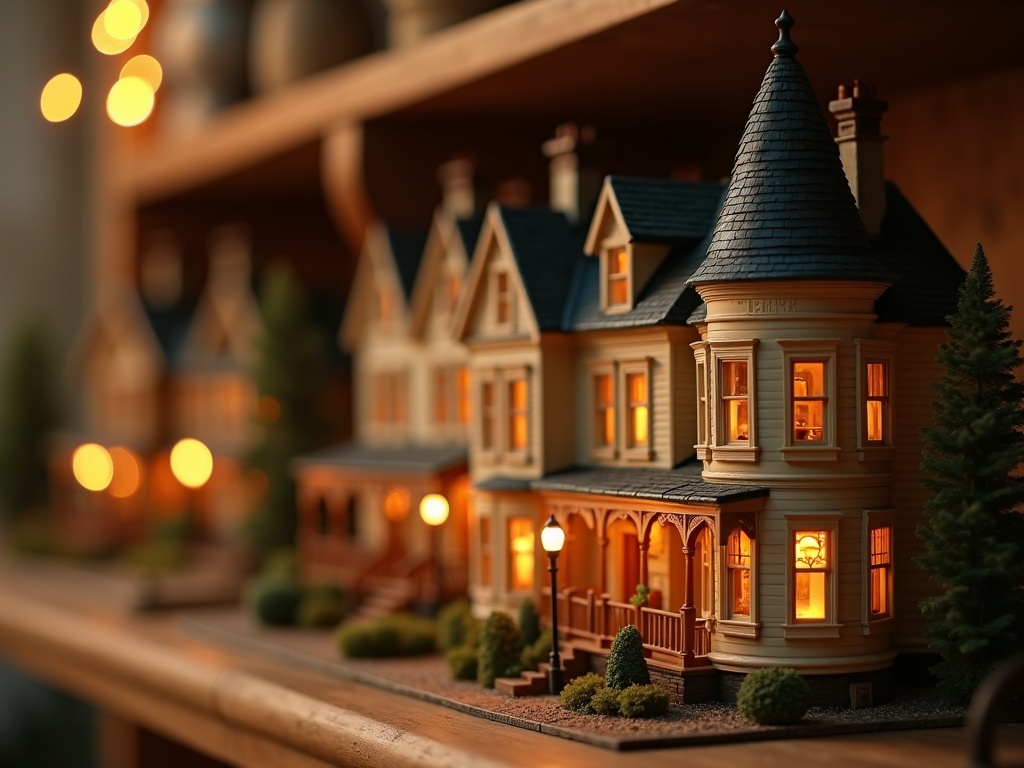
CuteDeco is a premium miniature house kit brand built around community feedback, shipping every kit complete with paint, furniture, LED lighting, and a fitted display cover, at a price range of $75 to $120. Full transparency: CuteDeco is our brand. That said, this section holds to the same standard as every other entry here, including the weaknesses.
CuteDeco launched with a single Victorian row-house kit after our founder, Hannah Brooks, spent a year trying to find a kit that was both approachable for beginners and detailed enough to satisfy experienced builders. The gap was real. Hannah had worked through three different budget kits that arrived with warped panels, cryptic diagrams, and furniture pieces that didn’t match the scale of the house. After the third disappointing experience, she started prototyping her own. The community that grew around that first kit told us what to make next, and every subsequent design has been shaped by builder feedback, not by trend reports.
What’s included in every CuteDeco kit: 3.5 mm premium laser-cut basswood sheets, color-illustrated step-by-step instruction booklet (printed, not just digital), pre-mixed paint pots for the exterior palette, curated miniature furniture and decor pieces, LED strip with battery pack, and a dust-cover acrylic display box sized specifically to that kit.
Strengths:
- Complete, out-of-the-box building experience with no separate accessory shopping required.
- Instruction booklet written and illustrated for humans, with troubleshooting notes at tricky steps.
- Active builder community with a private group where Hannah answers questions directly.
- Designs reflect real community requests: the cottagecore greenhouse kit came directly from a member poll.
- Kits are tested by builders across five skill levels before release.
- Every kit ships with a difficulty rating printed on the box so there are no surprises.
Weaknesses:
- Smaller catalog than mass-market brands; new designs release 4-6 times per year.
- Price reflects the quality tier ($75-$120), so it’s not the pick for a $30 impulse buy.
- Some of the most intricate kits (difficulty 4/5) are not ideal for children under 14 working alone.
Difficulty rating: 2/5 to 4/5 depending on the kit. Each product page lists the exact rating.
Best for: builders who want a complete, meditative building experience with no mid-project trips to the craft store. Also a strong gift choice for anyone who values quality over quantity.
✨ Hannah’s tip
Before you open any miniature house kit, spend 10 minutes doing a “dry fit” of the main structural panels before applying glue. Lay all the wall panels and floor boards out in the order they’ll be assembled, check that tabs fit slots cleanly, and note which pieces feel tight. This one step prevents the most common frustration in miniature building: realizing a panel is slightly misaligned after the glue has set. It works for every brand on this list, budget or premium.
Before you open any miniature house kit, spend 10 minutes doing a “dry fit” of the main structural panels before applying glue. Lay all the wall panels and floor boards out in the order they’ll be assembled, check that tabs fit slots cleanly, and note which pieces feel tight. This one step prevents the most common frustration in miniature building: realizing a panel is slightly misaligned after the glue has set. It works for every brand on this list, budget or premium.
Ready to see which best miniature house brands from our own collection resonate most with the community right now? Browse the CuteDeco best-sellers collection to see what builders keep coming back to.
Brigamo and Similar European Mid-Range Brands
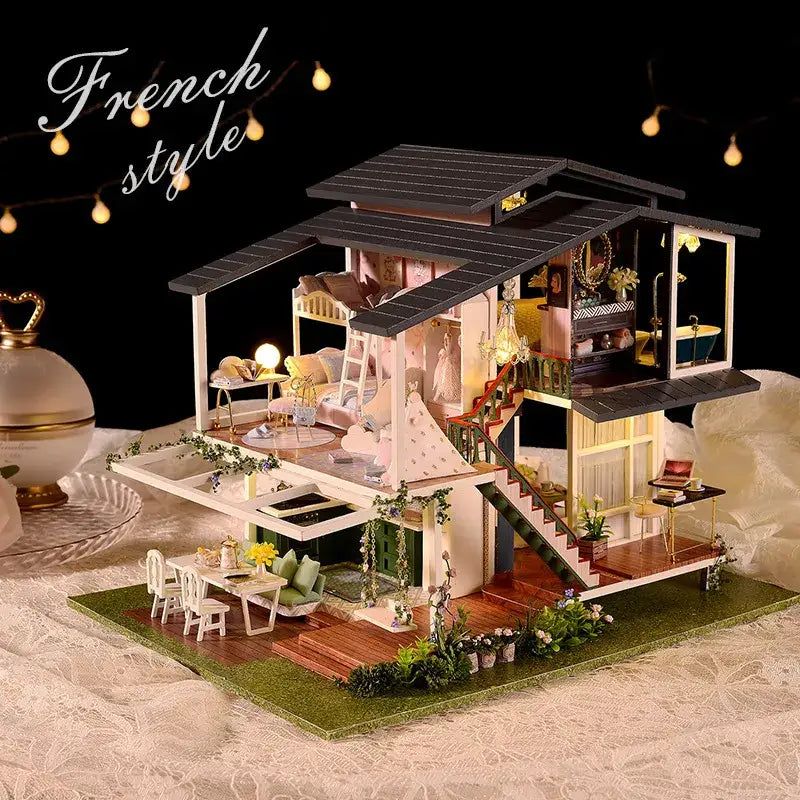
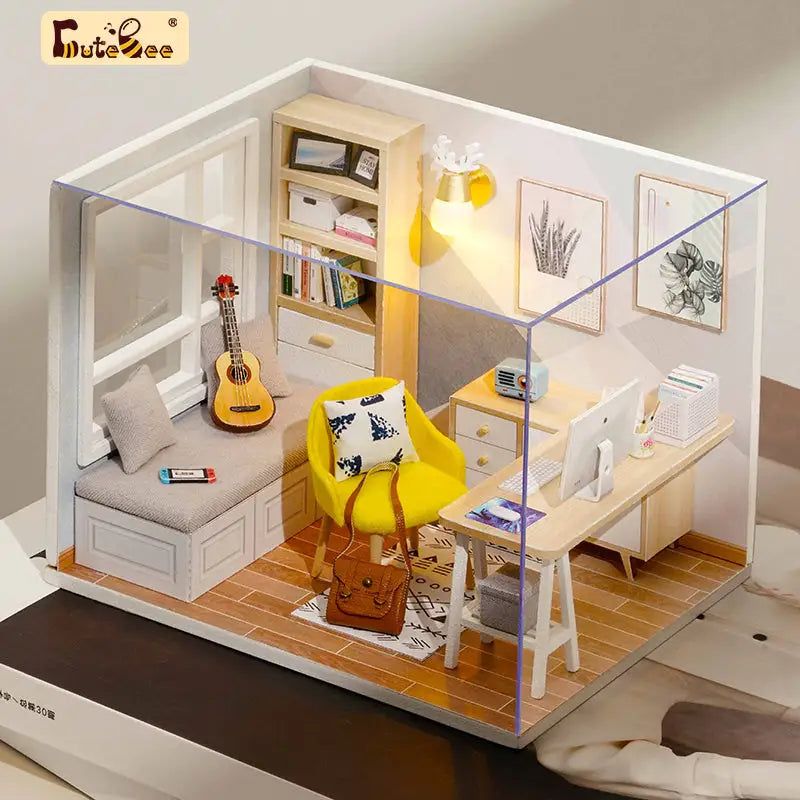
Brigamo is a German-based mid-range brand with cleaner laser cutting than most budget kits, Scandinavian and alpine aesthetics, and a price range of $40 to $80 that positions it squarely between budget imports and premium boutique labels. Brigamo is a German-based brand that has gained traction in the US market through specialty craft retailers and Etsy resellers. Their kits sit firmly in the mid-range tier, with cleaner laser cutting than most budget options and a style leaning toward Scandinavian and alpine aesthetics.
What’s included: laser-cut MDF panels (3 mm), basic furniture pieces, fabric and wallpaper sheets, and a printed instruction booklet. LED lighting is included on select kits.
Strengths:
- Clean, modern aesthetic that photographs well for social sharing.
- Instruction quality is above the budget-tier standard.
- Good packaging; kits arrive well-protected.
Weaknesses:
- MDF (medium-density fiberboard) absorbs moisture differently than basswood; humidity can cause subtle warping over time.
- Replacement part support is limited in the US.
- Color accessories can feel plasticky on the mid-range models.
Difficulty rating: 2/5 to 3/5.
Best for: builders looking for a Scandinavian or modern Alpine aesthetic at a mid-range price point. If the clean, airy Brigamo style appeals to you but you want to add depth, our miniature greenhouse kits pair well as a complementary display piece.
Puzzlestar and Other Puzzle-Hybrid Formats
Puzzle-hybrid miniature house kits like Puzzlestar use interlocking tab-and-slot construction with no glue required, assembling in just 2 to 6 hours and rating 1 to 2 out of 5 for difficulty, making them the most accessible format for very young or first-time builders. A newer category worth covering: brands that blend 3D wooden puzzle construction with miniature interior design. Puzzlestar and similar labels (WoodWarehouse, Wooden City) offer kits where the exterior architecture assembles via interlocking tabs with no glue required, while the interior furnishing is optional and modular.
These are not traditional dollhouse kits, but they serve a real audience: people who want the satisfying assembly experience without the commitment of paint and glue, or builders who want to disassemble and rebuild.
What’s included: interlocking laser-cut plywood sheets, optional paint set (sold separately on most models), and digital instructions via QR code.
Strengths:
- No glue means fully reversible builds.
- Fast assembly time (2-6 hours for most models).
- Compact storage when disassembled.
- Lower intimidation factor for very young or first-time builders.
Weaknesses:
- Tab-and-slot construction is less rigid than glued builds; display pieces can shift over time.
- Interior customization options are far more limited.
- The finished piece often reads as a “puzzle” rather than a display miniature, which doesn’t suit all collectors.
- QR-code-only instructions can be frustrating without a second device nearby at the workbench.
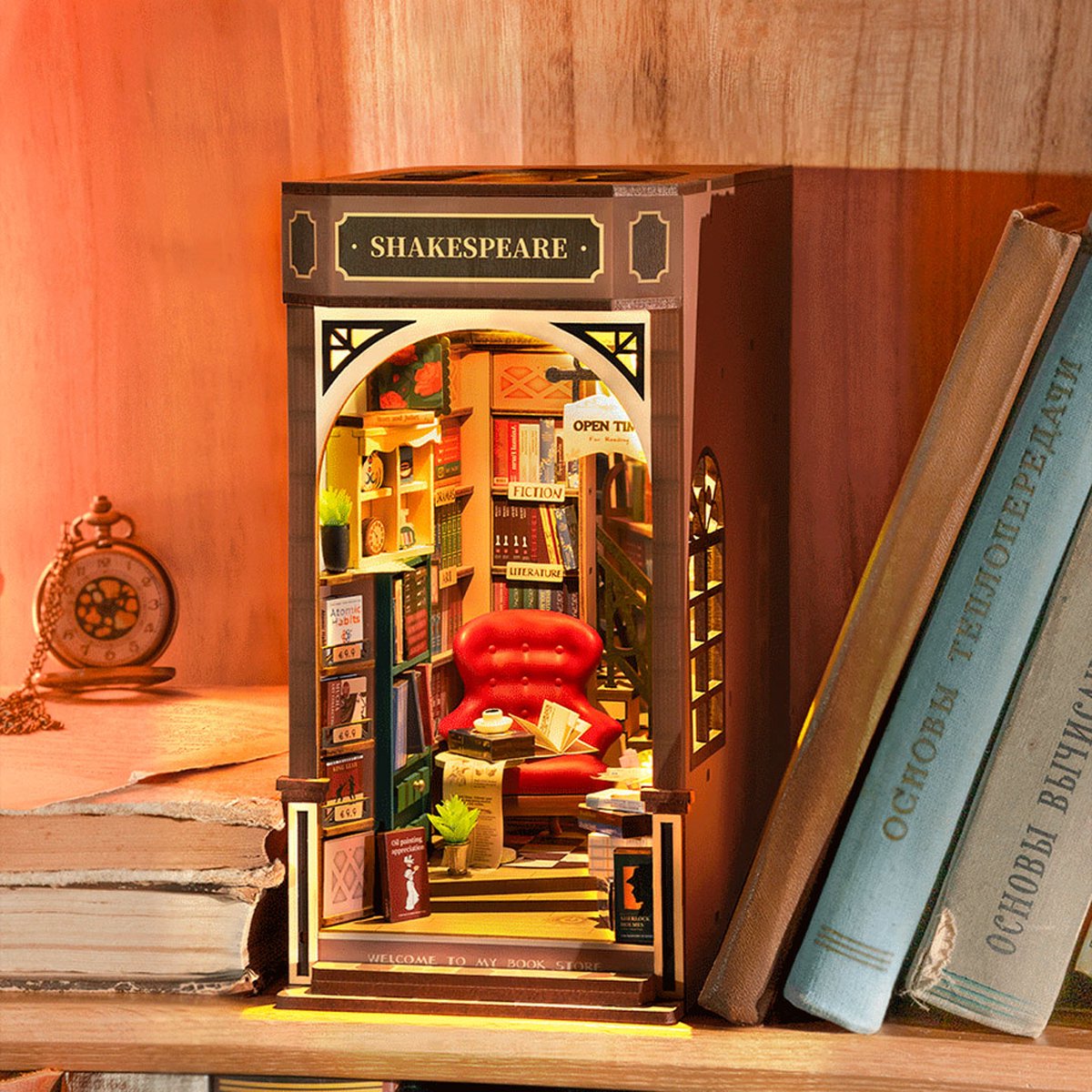
If you like the compact, no-glue appeal of puzzle-hybrid kits but want something that looks genuinely finished on a shelf, our book nook kits occupy an interesting middle ground: they’re smaller in footprint than a full miniature house, designed for display between real books, and include everything needed for a polished result.
Difficulty rating: 1/5 to 2/5.
Best for: younger builders, people who want a quick-finish project, travelers who like compact craft activities.
Brand Comparison at a Glance
This table covers all five leading miniature house kit brands across price, difficulty, box completeness, wood type, and ideal buyer, giving you the fastest way to shortlist the right brand before reading further. Here’s a quick side-by-side view of all five brands across the dimensions that matter most when choosing. Use this as a starting point, then read the full section for whichever brand catches your eye.
| Brand | Price range | Difficulty | All-in-one box? | Wood type | Best for |
|---|---|---|---|---|---|
| Robotime / Rolife | $25-$55 | 2/5 | Partial (no display cover) | Basswood 2-3 mm | Budget beginners, quick gifts |
| Greenleaf Dollhouses | $45-$150+ | 3-4/5 | No (shell only) | Plywood up to 5 mm | Experienced collectors |
| CuteDeco | $75-$155 | 2-4/5 | Yes (paint, furniture, LED, cover) | Basswood 3.5 mm | All levels, gifts, meditative builds |
| Brigamo | $40-$80 | 2-3/5 | Partial (no LED on most) | MDF 3 mm | Scandinavian aesthetic, mid-range |
| Puzzlestar / puzzle-hybrid | $20-$50 | 1-2/5 | Partial (no paint usually) | Plywood interlocking | Young builders, reversible builds |
How to Pick the Right Brand for Your Situation
Choosing the right miniature house kit brand comes down to three questions: your honest skill level right now, how much time you want to spend building, and whether this is a personal project or a gift for someone else. The brand question is really three separate questions bundled together:
What is your actual skill level right now?
Beginners overestimate kits rated 3/5 and underestimate how satisfying a well-made 2/5 kit can be. Start one level below where you think you are. The hobby rewards patience more than ambition. Hannah’s first completed kit was a straightforward cottage build, and the experience of actually finishing it was what convinced her there was something genuinely special about this craft.
How much time do you want to spend building?
A Greenleaf Victorian can run 60+ hours. A Robotime cottage might take 4 hours. A CuteDeco mid-complexity kit averages 8-15 hours across two or three sessions. Each of those is a legitimate answer depending on what you want from the experience. If the building itself is the point, more hours is not a flaw; it’s the feature. Many builders in our community specifically schedule building sessions the way other people schedule yoga or a walk.
Is this a gift or a personal project?
Gift buyers should lean toward kits that include everything in one box: paint, furniture, lighting, and a display cover. The last thing a gift recipient wants is a half-finished kit waiting on missing supplies. For a reliable gift option at a quality tier that feels considered rather than generic, the best-selling kits from CuteDeco are designed exactly for this scenario.
If you want more guidance on choosing by theme and complexity, the beginner’s guide to choosing your first miniature house kit walks through each decision step by step. For builders ready to go deeper, the intermediate building techniques article covers finishing, lighting wiring, and custom paint mixing. And if you’re decorating interiors after the structure is done, our miniature furniture and accessories collection has curated pieces sized for the most common kit scales.
Frequently Asked Questions about Miniature House Brands
Everything you might be wondering (click a question to expand).
Which miniature house brand is best for a complete beginner in 2026?
For a beginner who wants a complete, low-frustration experience, CuteDeco kits rated 2/5 or Robotime’s entry-level Rolife series are the most practical starting points. CuteDeco includes everything (paint, furniture, lighting, display box) and has illustrated instructions with troubleshooting notes at every tricky step. Robotime is cheaper but requires more independent problem-solving. Either way, start with a kit under 200 parts for your first project and you’ll actually finish it.
Are Greenleaf dollhouse kits still worth buying in 2026?
Yes, for the right builder. Greenleaf’s plywood quality and classic proportions remain genuinely excellent. The caveat is that their kits ship without furniture or paint, so budget 30-60% more than the kit price for a fully decorated display piece. They suit experienced builders and collectors far more than newcomers. If you’re drawn to their Victorian aesthetic but want the process to feel more guided, pair the Greenleaf shell with a curated furniture set and a clear step-by-step finishing plan.
What does a quality miniature house kit include in the box?
A quality kit at the mid-range or premium tier should include: pre-cut structural panels, a full set of miniature furniture pieces, paint or finishing materials for the exterior, LED lighting with a power source, written instructions (not just pictograms), and ideally a dust cover sized to the specific model. If a kit is missing two or more of those components, factor the extra cost and sourcing time into your total budget before buying. The best miniature house brands at the premium tier, CuteDeco included, treat the complete-box experience as a core feature, not an upsell.
What scale do most miniature house kits use?
The most common scale is 1:12 (one inch equals one foot), which is the standard for serious collectors and the format used by most American brands including Greenleaf. Many budget import kits use 1:24 (*half-inch scale*), which produces a smaller finished piece. A few novelty kits use non-standard scales, so always check the listing before buying accessories separately. CuteDeco kits specify their scale on every product page.
Can miniature house kits be a meditative hobby for adults?
Absolutely, and this is one of the main reasons the hobby has grown so much among adults over the past five years. The repetitive, focused tasks of cutting, fitting, painting, and placing small objects engage a specific kind of attention that many people describe as calming. Several builders in the CuteDeco community have specifically mentioned that a building session works better for them than other stress-relief activities. It requires just enough problem-solving to stay interesting, without the urgency that most screen-based activities carry.
What is the difference between basswood and MDF in miniature house kits?
Basswood is a natural wood with a consistent grain; it accepts paint and stain evenly, resists moisture better than composite boards, and holds detail well on fine laser-cut edges. MDF (*medium-density fiberboard*) is denser and cheaper to produce, which is why it appears in many mid-range kits. MDF can absorb moisture at cut edges, which causes swelling over time in humid environments. For a kit you want to display long-term, basswood is the more durable choice. Premium brands like CuteDeco use 3.5 mm basswood specifically for this reason.
Picking Your Brand Is Just the Beginning
Your choice of miniature house brand shapes roughly 40% of the final building experience; the rest comes from your pace, workspace setup, and the small techniques you develop along the way. The brand you choose matters, but it shapes maybe 40% of the final experience. The rest comes from your pace, your workspace setup, the small techniques you pick up along the way, and the community you build around the hobby. Every brand on this list has produced builds that hobbyists are genuinely proud of.
Start with one kit that matches your honest skill level and available time. Finish it completely, including the details that feel fiddly near the end. That first finished piece sitting on a shelf tells you more about what you want next than any brand comparison ever could. And if you’re ready to take the next step, the best miniature house brands in the CuteDeco collection are waiting for you, each one backed by a community of builders who started exactly where you are right now. ✨