🎁 Buy 2 kits, get the 3rd FREE · Free shipping on every order

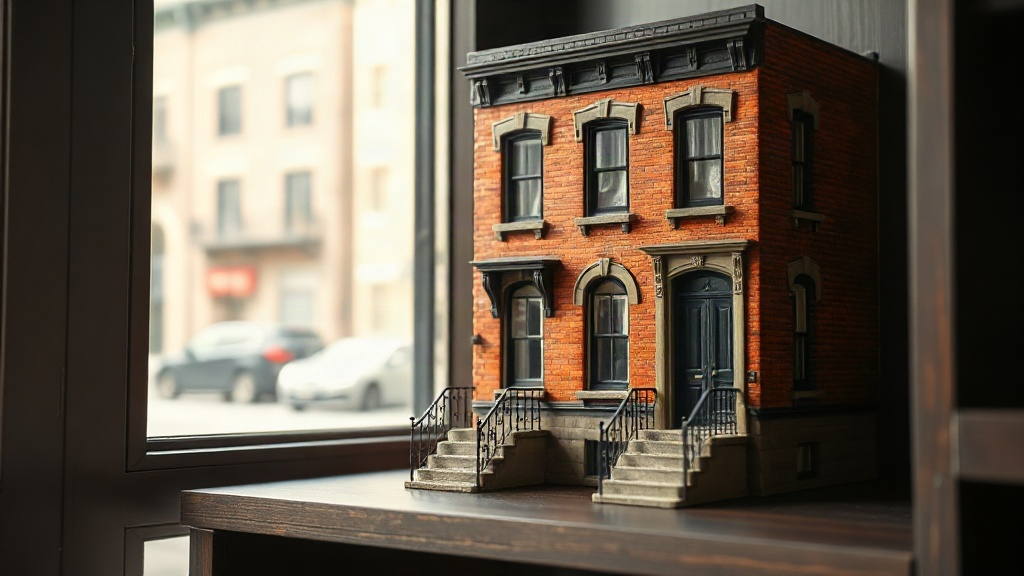
Capturing New York’s Iconic Brownstones in Miniature: A Builder’s Guide
Explore the art of building New York brownstone miniatures, from understanding the architectural details that make these townhouses iconic to selecting kits that capture their authentic character. Learn which materials and techniques bring that warm brick facade and wrought-iron charm to life at 1:12 scale.

The New York brownstone miniature sits at the intersection of architectural heritage and meditative craft. These iconic five-story townhouses defined neighborhoods from Brooklyn to the Upper West Side, and translating that character into 1:12 scale demands both historical understanding and careful material selection. This guide unpacks what makes brownstones distinctive, which kits deliver authentic detail, and how to bring the personality of these grand old structures to life in miniature form.
What Makes a Brownstone Unmistakably New York
A genuine New York brownstone is instantly recognizable by four features that no other American townhouse style shares: the elevated stoop, the tall narrow windows, the warm reddish-brown facade cut from iron oxide-rich sandstone, and the cast-iron railings that trace every storey. Together, these elements create a silhouette that is as much about proportion and shadow as it is about color.
The brownstone emerged in the 1840s as a practical answer to urban density. Builders stacked brick facades with a reddish-brown hue (that distinctive ferruginous sandstone, the origin of the name) over deeper brick or stone foundations. The style became shorthand for New York character: ornate stoops climbing to raised entrances, tall windows with dark frames, mansard or flat roofs, and wrought-iron railings that caught afternoon light.
When you’re evaluating a New York brownstone miniature kit, those details matter. The stoop is not decoration; it is essential proportionality. Brownstones sit elevated from the street, with servant entries in basement levels and family entrances one flight up. Windows are tall and narrow, often paired or tripled, with small upper panes above larger ones. This fenestration tells a story of light, class, and era.
The color palette is equally iconic. Real brownstone facades range from deep rust to warm amber, with mortar lines visible if built accurately. Some pieces feature cream or pale yellow trim around windows and doors. Cast-iron railings are black or dark green. The combination creates a sophisticated, lived-in aesthetic that photographs beautifully and rewards close inspection.
Bestseller cottage kit
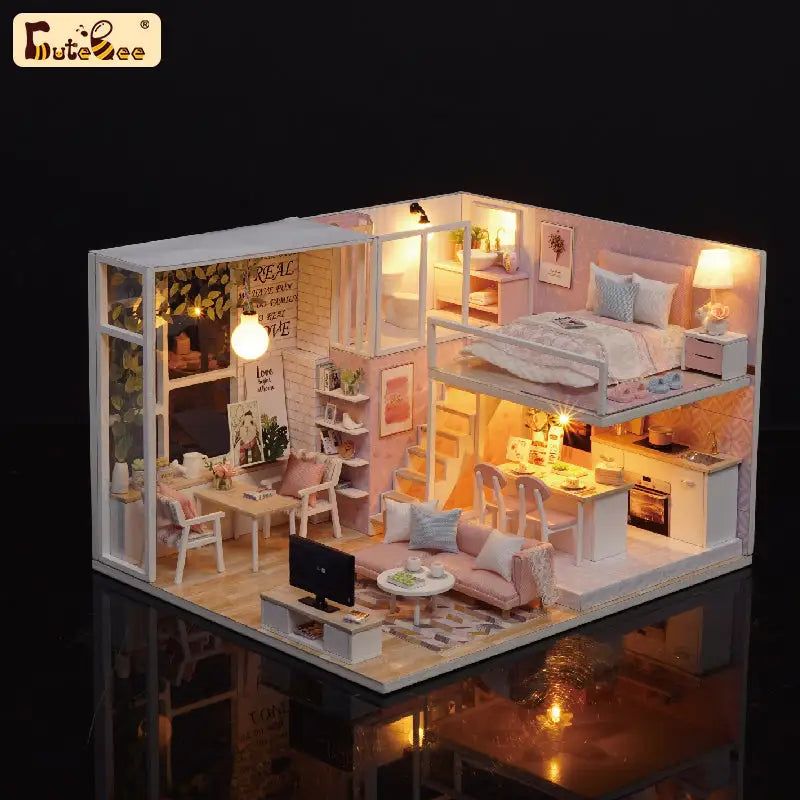
Tranquil Life DIY Miniature House Kit
$67.90
View this kit →
Choosing the Right Brownstone Miniature Kit
The single most important thing to check before buying a brownstone miniature kit is whether it includes the full stoop assembly, because a brownstone without its elevated entrance is just a flat-fronted townhouse, and the proportional difference is immediately obvious once you set it on a shelf.
Kits vary widely in scope and finish level. Entry-level options provide pre-cut walls and printed details, ideal for builders who want the satisfaction of assembly without years of study. Mid-range kits include cast components for stoops and railings, real brick or stone facades, and require moderate carpentry skills. High-end artisan kits demand woodworking experience but yield museum-quality results.
When selecting, ask these questions:
- Does the kit include the stoop and basement level, or only the main facade?
- Are windows and doors glazed (glass included), or printed?
- What materials comprise the brick: paper, resin, or actual masonry?
- Is the footprint 1:12 scale throughout, or are some elements compressed?
- Does the kit include interior detailing, or is it facade-forward?
For a beginner interested in a complete experience, look for kits rated as intermediate difficulty (6 to 12 weeks of casual building). These usually include all exterior details, a furnished ground floor or parlor, and clear step-by-step instructions. Mid-range pricing typically runs $150 to $350, offering exceptional value for a piece you will display for decades. Here is how the three tiers compare at a glance:
| Tier | Typical price | Build time | Skills needed | What you get |
|---|---|---|---|---|
| Entry-level | Under $80 | 2 to 4 weeks | None | Pre-cut walls, printed brick, basic stoop |
| Mid-range | $150 to $350 | 4 to 8 weeks | Basic hobby tools | Cast railings, real brick sheet or resin facade, furnished parlor |
| High-end artisan | $350 and up | 8 to 16 weeks | Woodworking experience helpful | Individual brick application, photo-etched metal, multi-room interior |
🪄 Hannah’s tip
Before committing, check user photos from the kit manufacturer’s site or community forums. Real-world images reveal how the facade photographs under different lighting and whether proportions feel authentically New York. Printed renderings can gloss over thin walls or undersized stoops. When I was choosing my first townhouse kit, I printed three forum photos side by side and immediately spotted which stoop was half a millimeter too shallow. That one image saved me weeks of disappointment.
Before committing, check user photos from the kit manufacturer’s site or community forums. Real-world images reveal how the facade photographs under different lighting and whether proportions feel authentically New York. Printed renderings can gloss over thin walls or undersized stoops. When I was choosing my first townhouse kit, I printed three forum photos side by side and immediately spotted which stoop was half a millimeter too shallow. That one image saved me weeks of disappointment.
Mastering Materials That Capture Authentic Brownstone Character
The single material decision that will most affect how convincing your finished brownstone looks is how the brick is made: paper brick with hand-painted mortar lines beats smooth resin panels at almost every lighting angle, because real shadow depth comes from physical texture, not printed color.
The tactile quality of a brownstone miniature separates a striking piece from an ordinary one. Real brick facades, whether pre-made sheets or individual bricks you will apply, breathe life into the model. Resin brick can feel artificial under studio lighting, while genuine masonry or high-quality paper brick creates shadow and depth that reads convincingly at any angle.
Explore the collection
All Book Nook Kits
76 handcrafted book nook kits
Browse all book nooks →
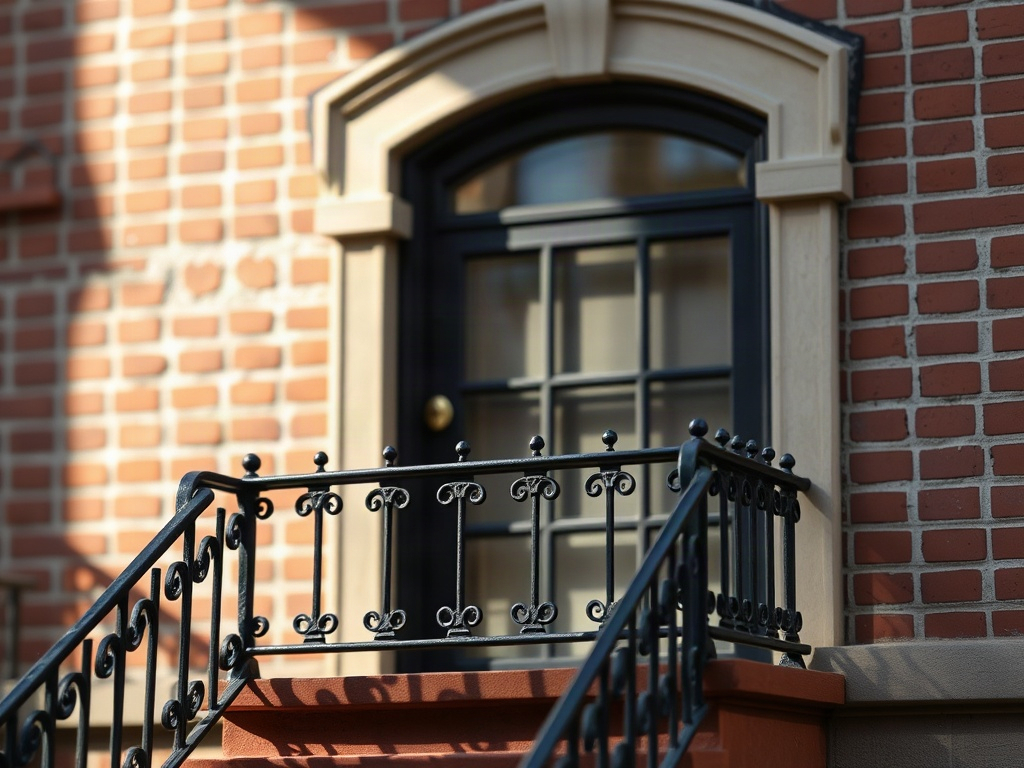
Wrought-iron railings are equally crucial. Cast metal components, even small ones, catch light and cast shadows that printed or plastic details cannot. If your kit includes photo-etched or cast-metal railings for the stoop and window boxes, prioritize those quality upgrades. They are often the first detail visitors’ eyes land on.
Mortar lines deserve attention too. Older brownstones show recessed or raked mortar, creating visible shadow lines that define the facade. Some kits include realistic grout lines printed into the brick sheet; others require you to hand-paint them. The latter offers control but demands patience and a steady hand. Either way, the contrast between brick and mortar is what prevents the facade from reading as flat.
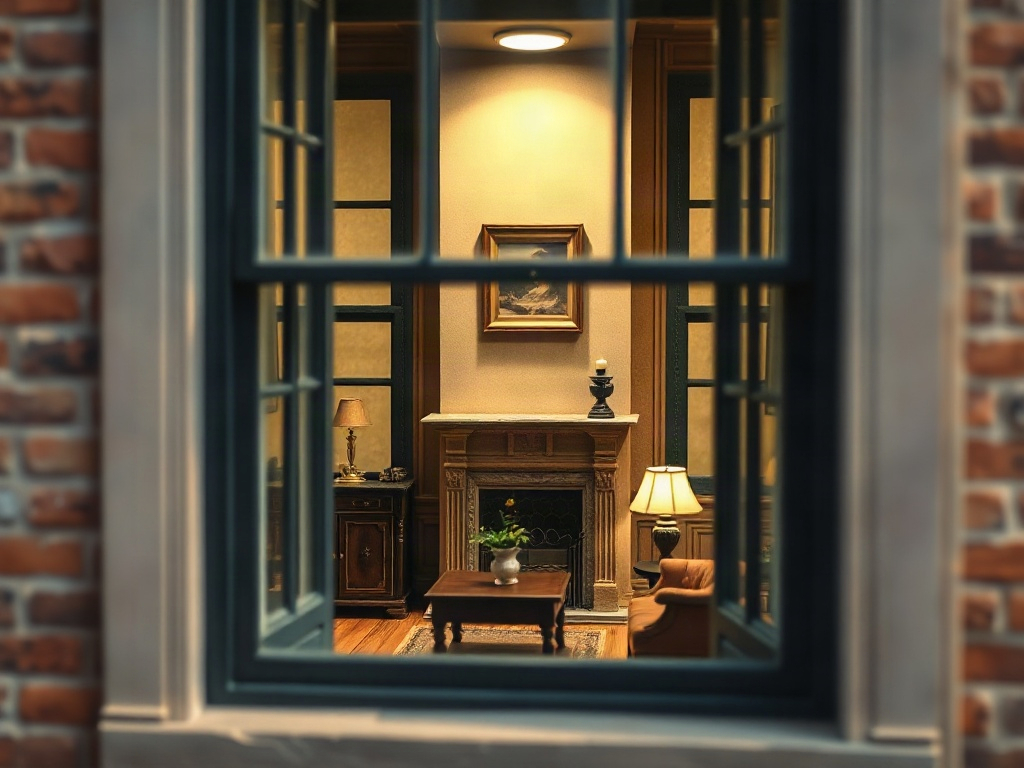
Stone elements, window sills, lintels, the stoop’s balustrade, were historically sandstone or limestone, paler than the brick. Quality kits either mold these in resin or include them as separate components you will glue and paint. Hand-painting stone with a white undercoat and amber wash mimics age and wear, and this technique is surprisingly forgiving for builders of all levels. I keep a small jar of raw umber acrylic at my workbench specifically for this step; two thin washes do more than one heavy coat every time.
Bringing Interior Life to Your Brownstone Miniature
The interior of a brownstone miniature should reflect the real floor plan: high ceilings on the principal floor (12 to 14 feet in real life, so 12 to 14 inches at 1:12 scale), a formal parlor above street level, and a working kitchen or servants’ area in the basement, because these proportions are what make the space feel genuinely Victorian rather than generically small.
The interior defines whether your brownstone feels lived-in or hollow. Historically, these townhouses had high ceilings (12 to 14 feet), floor-to-ceiling parlor windows, and formal rooms on the principal (second) floor. Servants’ quarters and kitchens occupied the basement level.
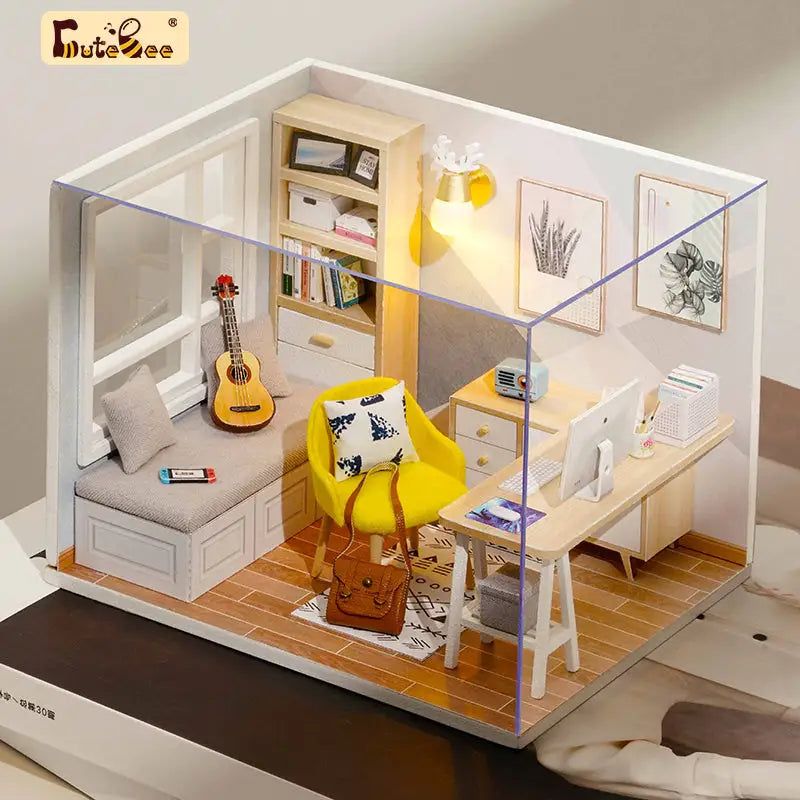
Easy starter under $50
Sun Room DIY Miniature House Kit
$49.99
Start with this kit →
Many intermediate kits include a furnished parlor scene: a fireplace with mantelpiece, period-appropriate furniture, and window dressing. If your kit does not include those, this is where your personality shapes the build. Victorian furnishings, Tiffany lamps, and floral wallpapers suit the era perfectly. Mid-century modern or art deco pieces can reinterpret the space as a 1950s brownstone renovation, equally authentic and visually striking.
Lighting transforms a brownstone miniature from day display to evening conversation piece. Small LED strips hidden behind cornicing or inside window frames illuminate the facade and interior simultaneously. Warm white light (around 3000K) mimics period gas and early electric fixtures, while cool daylight feels sterile and out of character. A tiny flickering LED behind a fireplace insert is one of those details that stops people mid-sentence when they notice it.
Scale, Proportion, and the Meditative Build Process
Building a New York brownstone miniature at 1:12 scale forces you to slow down and think like an architect: every window must align, every cornice must sit flush, and every railing must stand plumb, which is exactly why so many builders describe the process as genuinely meditative rather than simply decorative.
Building at 1:12 scale (one inch equals one foot) anchors you in real architectural proportions. A typical brownstone facade measures 18 to 24 inches wide at this scale, demanding precision but remaining manageable on a shelf or cabinet. Construction typically spans four to eight weeks, creating a patient rhythm. You are not racing to finish; you are settling into the craft of understanding how windows align, how cornicing sits atop masonry, how a single cast-iron railing transforms a blank wall into a home.
Most builders work section by section: foundation and stoop, primary facade with windows and trim, roofline detail, interior rooms, final touches. This modular approach prevents overwhelm and lets you assess proportions at each stage before committing to the next. It is genuinely satisfying to watch a flat kit transform into a three-dimensional structure. The first time you dry-fit the stoop and step back to see the silhouette, something clicks.
Displaying and Sharing Your Brownstone Miniature
The best display spot for a finished brownstone miniature is a shelf at eye level where natural or warm artificial light hits the facade from a slight angle, because that raking light brings out the mortar shadows and railing details that make the piece look like a real street-front building rather than a toy.
Rare in the niche
Miniature Greenhouse Kits
22 LED-lit greenhouse builds
See our greenhouse range →
Once complete, your brownstone earns a spot where it catches light. A shelf with clean lines lets the facade be the focus. A lighted display case protects it from dust while amplifying the interior and exterior details. Some builders rotate their collection seasonally, swapping brownstones with Victorian farmhouses or Victorian townhouses to keep their display fresh.
The community aspect of miniature building is often overlooked. Sharing your finished brownstone on forums or social media, including construction photos, close-ups of railings, and interior details, connects you with other crafters. Comments from other builders often point out techniques you used instinctively but never named, which is a lovely way to learn. Many experienced builders remember their first brownstone as a turning point in their hobby.
Consider documenting your build. A few photos at each stage create a record you will enjoy revisiting, and they help newer builders understand what is possible. You are not documenting for an audience; you are preserving your own creative journey.
Connecting Your Brownstone to Broader Collections
A New York brownstone miniature works beautifully as an anchor piece because its architectural vocabulary (tall windows, ornate trim, dark iron railings) shares enough DNA with Boston row houses, Philadelphia Victorians, and Chicago greystones that a small street-front collection of three or four builds reads as genuinely cohesive.
A single brownstone is complete on its own, but many builders use it as an anchor for miniature house kits that expand their world. A brownstone parlor pairs beautifully with period accessories. Some collectors develop a “New York street” theme by building multiple townhouses at varied architectural styles but compatible scales and materials, creating a street-front installation.
Others use the brownstone as a design springboard. The architectural language, tall windows, ornate trim, dark railings, translates to other American townhouse styles: Boston row houses, Philadelphia Victorians, Chicago brownstones. Once you have mastered the New York variant, exploring regional cousins deepens your appreciation for how local materials and building traditions shaped American cities.
📜 Did you know?
The brownstone boom peaked between 1865 and 1900, when over 30,000 were constructed in New York City alone. Many have been meticulously restored in recent decades, making them among the most photographed townhouses in America. Your miniature captures not just a building style but a moment when urban craftsmanship and residential ambition aligned perfectly.
The brownstone boom peaked between 1865 and 1900, when over 30,000 were constructed in New York City alone. Many have been meticulously restored in recent decades, making them among the most photographed townhouses in America. Your miniature captures not just a building style but a moment when urban craftsmanship and residential ambition aligned perfectly.
Premium collector piece
Monet’s Garden DIY Miniature House Kit
$155.00
Discover this kit →
Frequently Asked Questions about New York Brownstone Miniatures
Everything you might be wondering (click a question to expand).
How long does a typical brownstone miniature kit take to build?
Most intermediate kits require 40 to 100 hours of work spread over 4 to 12 weeks, depending on your pace and experience. Beginners might add 20 to 30 percent more time; experienced builders often finish faster. The satisfaction comes from taking your time, not rushing.
Do I need woodworking experience to build a brownstone miniature?
Not necessarily. Intermediate kits are designed for hobbyists without prior experience. You will need basic tools: a hobby knife, adhesives, paint, and patience. If your kit includes instructions with diagrams, follow them step by step. Many builders complete their first kit while learning; each project builds skill for the next.
What’s the difference between a 1:12 and 1:24 scale brownstone?
1:12 scale (one inch equals one foot) is the standard dollhouse scale and yields a facade roughly 18 to 24 inches wide. 1:24 scale is half that size, fitting smaller spaces but offering less surface for fine detail. For a first brownstone, 1:12 is more forgiving and immensely rewarding.
Resin brick or paper brick: which looks better on a finished brownstone?
Paper brick with hand-painted mortar lines almost always looks more convincing than smooth resin panels, because the slight texture variation between individual bricks creates the micro-shadows that make a facade read as genuine masonry rather than a printed surface. That said, high-quality resin brick with individually raked mortar grooves can be excellent. The test is simple: shine a light at a 45-degree angle and see whether you get shadow lines or a flat surface.
Can I customize colors or details on a pre-made kit?
Absolutely. Many builders paint facades warmer or cooler browns, add custom window treatments, or swap furniture based on personal preference. The kit provides a foundation; your choices shape its personality. This customization is where the meditative aspect deepens: you are not just assembling but interpreting.
Are brownstone miniatures good gifts for someone new to the hobby?
Yes, if you choose an intermediate difficulty kit with clear instructions and all necessary components included. Pair it with a helpful book on miniature techniques or a starter tool kit. The gift of time to build something beautiful together, even if that means just sitting nearby while they work, matters as much as the kit itself.
Your Brownstone Awaits
A New York brownstone miniature anchors your collection with history, character, and the satisfaction of having built something authentically beautiful. Whether you are drawn to the architectural heritage, the meditative build process, or simply the iconic silhouette of a New York townhouse, the craft rewards patient hands and curious eyes. Start with a kit that speaks to you, follow the steps with care, and watch as a flat collection of components transforms into a miniature world worth visiting again and again. 🪄