🎁 Buy 2 kits, get the 3rd FREE · Free shipping on every order

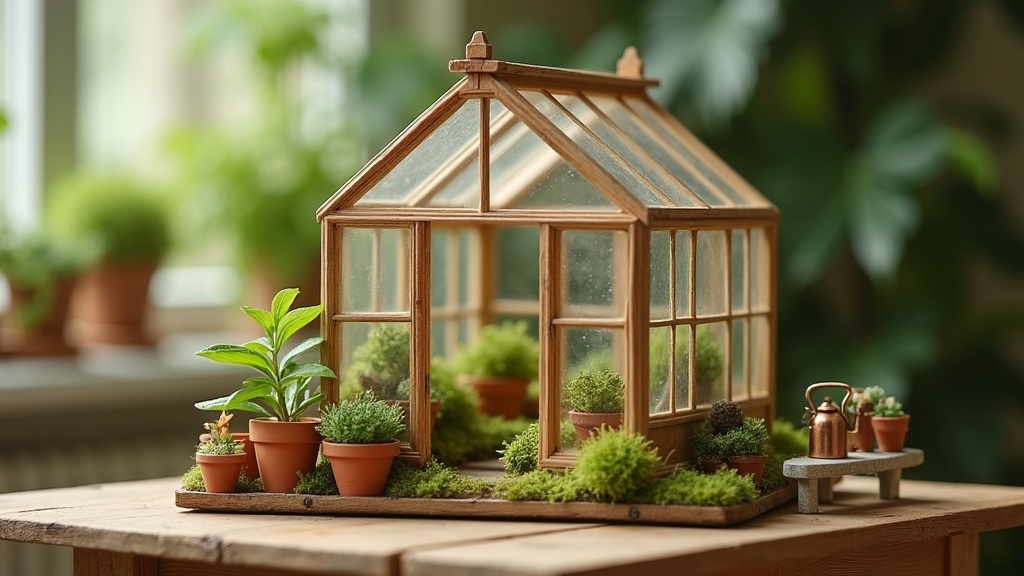
Fairy Garden Miniature Kits: Build a Tiny World That Feels Completely Real
A complete guide to fairy garden miniature kits: what's included in quality kits, how to choose by skill level, greenhouse cottagecore builds, styling tips for photography, and gift buying advice. Written for US crafters and hobbyists in 2026.

You open the box and suddenly you’re holding a cobblestone path no wider than your thumb, a copper watering can the size of a grape, and a packet of moss that smells like rain. That first moment with a fairy garden miniature kit is hard to describe to anyone who hasn’t felt it. It’s quiet, specific, and a little bit magical.
These kits have moved far beyond the plastic gnomes you’d find at a garden center. Today’s options come packed with laser-cut wooden structures, hand-painted resin accents, dried botanicals, and detailed instruction booklets that walk you through every placement decision. Whether you’re tucking a tiny cottage into a terracotta pot on your apartment balcony or building a full greenhouse scene on a reclaimed wood base, the project rewards patience and attention in equal measure.
This guide covers everything worth knowing before you buy: kit styles, what separates a mediocre kit from a great one, how to choose based on your skill level, and how to push a basic kit into something that genuinely looks Pinterest-worthy.
What a Good Fairy Garden Miniature Kit Actually Includes
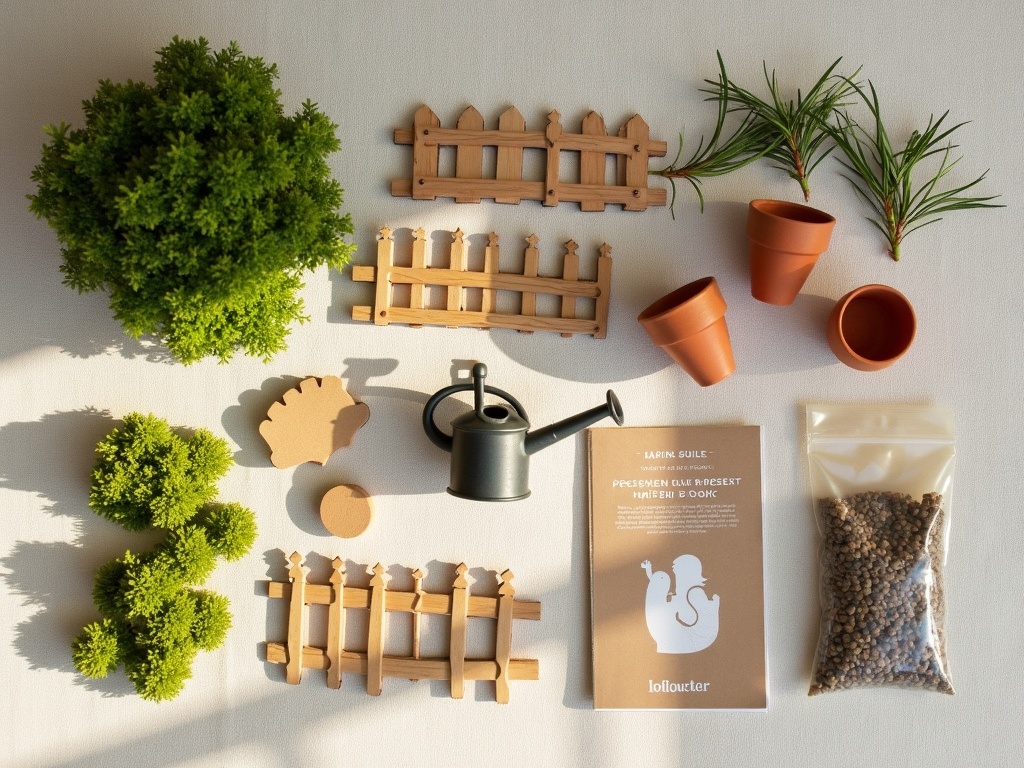
Not all kits are created equal, and the difference usually shows up in three places: material quality, completeness, and instruction clarity. A good kit should let you finish a scene without a single trip to the craft store. The moment you’re hunting for glue, extra moss, or a base that wasn’t included, the quiet focus of the build breaks entirely.
Here’s what to look for when reading product listings:
- Structural elements: Pre-cut wooden or MDF pieces for buildings, fences, gates, trellises, or bridges. Laser-cut edges should be clean, not singed or splintered.
- Ground cover: Preserved moss, decorative gravel, sand, or faux grass. Quality kits include at least two textures so the scene has depth.
- Accent pieces: Resin or hand-painted metal miniatures (watering cans, lanterns, flower pots, benches). These elevate a flat scene into a story.
- Adhesive: Some kits include craft glue or double-sided tape. If yours doesn’t, grab a low-temp glue gun before you start.
- Base or container: Premium kits include a base (wooden board, shallow tray, or planter). Budget kits skip this, so factor the cost of a container into your comparison.
- Instruction booklet: Step photos, not just a parts diagram. Written instructions in clear English.
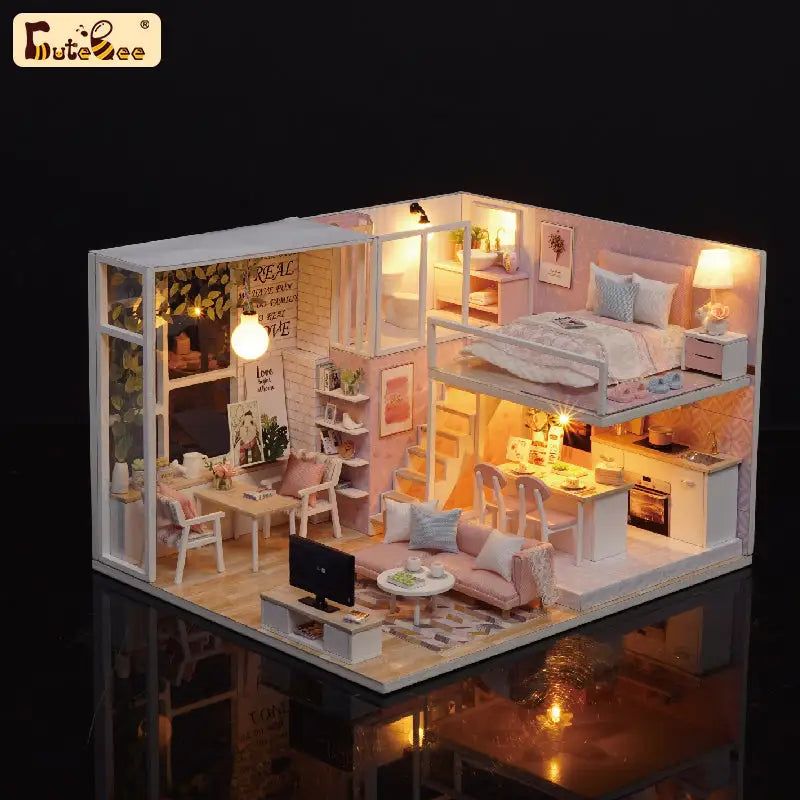
Bestseller cottage kit
Tranquil Life DIY Miniature House Kit
$67.90
Beginner-friendly with pre-painted accents, 18 pieces, and a 90-minute build time. Includes adhesive, layered moss, and a 14-page illustrated booklet. No extra supplies needed.
Difficulty ratings matter too. Beginner kits typically involve fewer than 20 pieces, pre-applied paint, and assembly times around 60 to 90 minutes. Intermediate kits add structural builds (think a tiny lean-to greenhouse with opening doors) and run 2 to 4 hours. Advanced kits may include painting steps, custom soil layering, or working with live plants, pushing build time past 5 hours across multiple sessions.
📜 Did you know?
Fairy garden culture in the US traces back to the early 1900s, when Irish-American communities transplanted the Celtic tradition of leaving offerings at “fairy rings” in nature. By the 1930s, American garden magazines were publishing layouts for miniature garden beds designed to “invite the fae.” The modern miniature kit format, however, took off around 2010 with the rise of craft subscription boxes and Pinterest boards dedicated to cottagecore aesthetics.
Fairy garden culture in the US traces back to the early 1900s, when Irish-American communities transplanted the Celtic tradition of leaving offerings at “fairy rings” in nature. By the 1930s, American garden magazines were publishing layouts for miniature garden beds designed to “invite the fae.” The modern miniature kit format, however, took off around 2010 with the rise of craft subscription boxes and Pinterest boards dedicated to cottagecore aesthetics.
Greenhouse Kits: The Cottagecore Scene Crafters Keep Requesting
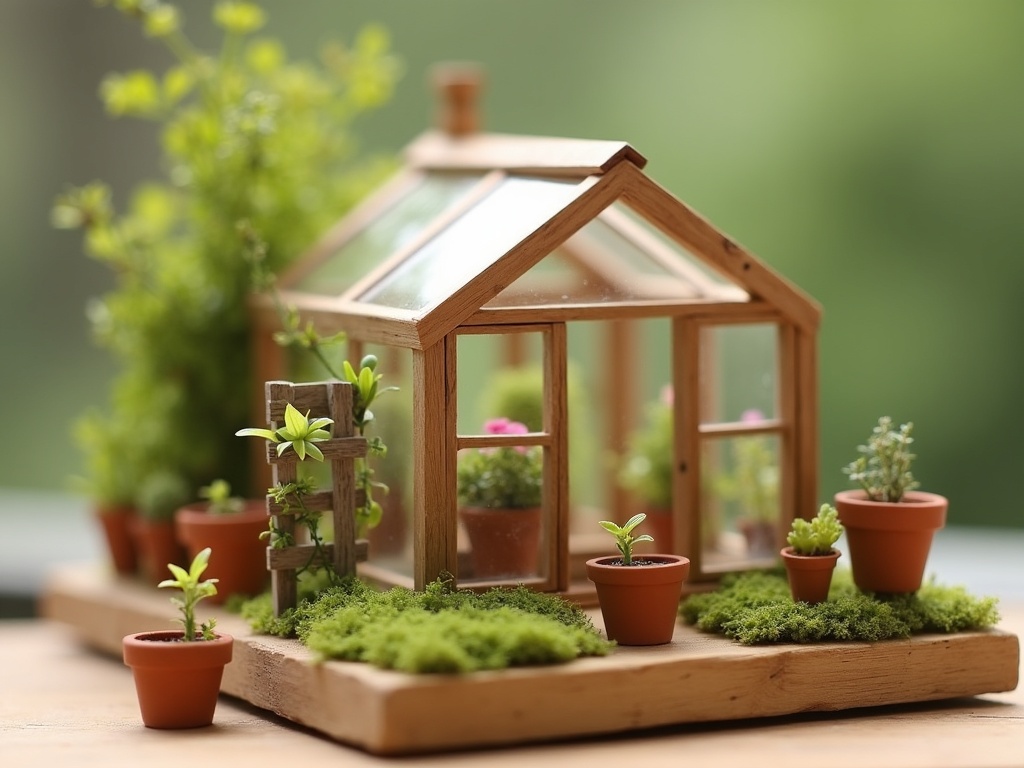
Ask anyone in our community what they wish we’d added sooner, and greenhouse-style builds come up again and again. There’s something about a tiny glass-paned structure surrounded by potted herbs and climbing vines that hits differently from a standard cottage scene. It feels productive, lived-in, tended.
Miniature greenhouse kits pair beautifully with the fairy garden miniature kit format because they give you a reason to layer: exterior planting beds, interior seedling trays, hanging grow-lights made from tiny LED beads, a half-open door propped by a stone. Every element builds a world that has a before and an after.
Our miniature greenhouse kit collection was designed specifically around this demand. Each kit in the range ships with:
- Clear acrylic “glass” panels that slot into laser-cut pine frames
- Miniature terracotta pots in three sizes (pre-aged with a chalk wash finish)
- Seed packet accents printed at 1:12 scale
- Preserved sheet moss, reindeer moss, and a small bag of natural gravel
- A 16-page illustrated instruction booklet with step-by-step photography
- Difficulty rating: Intermediate (recommended age 14 and up, build time 2.5 to 3.5 hours)
The build itself has a gentle, absorbing rhythm to it. Fitting the acrylic panels into the pine grooves, pressing tiny pots into gravel beds, deciding which side gets the climbing vine detail. You’re making small, satisfying decisions for hours. Builders in our community have called it “the Sunday afternoon reset” more than once, and we think that’s exactly right.
✨ Hannah’s tip
Before you glue anything, dry-fit the entire scene first. Lay out every piece on the base and step back. Take a photo on your phone. That bird’s-eye snapshot reveals gaps, proportion issues, and unloved corners you can fill with a tuft of moss or a tiny stone path before anything is permanent. I do this with every build, even after years of making these kits. It saves so much second-guessing.
Before you glue anything, dry-fit the entire scene first. Lay out every piece on the base and step back. Take a photo on your phone. That bird’s-eye snapshot reveals gaps, proportion issues, and unloved corners you can fill with a tuft of moss or a tiny stone path before anything is permanent. I do this with every build, even after years of making these kits. It saves so much second-guessing.
Choosing the Right Kit for Your Skill Level and Space
Two things sink a first-time builder faster than anything else: a kit that’s too complex for the time they have, and a finished piece that has nowhere to live. Think through both before you add to cart.
Beginner: Under 90 Minutes, Under 20 Pieces
If you’ve never worked with miniature-scale materials before, start contained. A fairy garden starter greenhouse kit with a single structure, two or three ground-cover textures, and four to six accent pieces gives you the full satisfaction arc (assembly, placement, finishing) without the overwhelm. Expect to spend $28 to $45 on a quality beginner kit in 2026.
Intermediate: 2 to 4 Hours, Multi-Structure Scenes
You’ve built at least one miniature scene before and you know you enjoy it. Now you want a kit with a connected story: a greenhouse with an adjacent potting shed, or a cottage garden with a working gate and fence perimeter. Intermediate kits often include painting steps (base-coating wooden elements with provided acrylic paint) and expect you to make some aesthetic decisions. Budget $55 to $90.
Advanced: Multi-Session Builds with Live Elements
Advanced DIY fairy garden miniature kit builds often incorporate real plants: sedums, baby tears, creeping thyme, or micro-orchids in the miniature greenhouse frame. These scenes need drainage planning, appropriate soil mixes (typically 60% perlite, 30% potting mix, 10% horticultural sand), and ongoing care. They’re closer to terrariums than simple assembly projects, and the result is alive. Budget $90 to $160 for kits that include live plant vouchers or substrate materials.
If you’re exploring your options across styles, our miniature house kits collection is a great companion browse to the fairy garden range. Many builders pick up one cottage-style kit alongside a garden kit, staging them together on a shared shelf for a fuller scene.
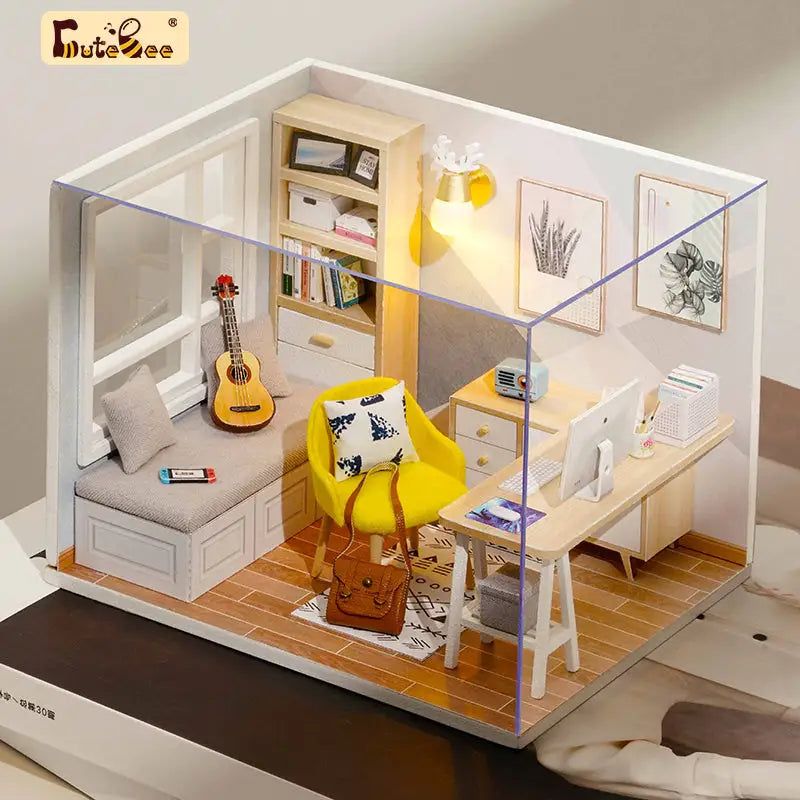
Easy starter under $50
Sun Room DIY Miniature House Kit
$49.99
A perfect first build: 16 pre-cut pieces, included adhesive, and a bright sun-room aesthetic that photographs beautifully. Build time around 75 minutes, recommended age 12 and up.
Styling Your Finished Scene: Details That Read Well on Camera
A fairy garden built purely for display looks different from one designed to photograph well. Both are valid goals. But if sharing your work on social media or Pinterest matters to you, a few styling principles will make a real difference.
Light and Shadow Do the Heavy Lifting
Natural side light, from a window to the left or right of your scene, creates depth that overhead lighting kills. If you shoot indoors, a simple foam board reflector on the opposite side of the light source bounces fill light back into shaded areas. The tiny shadows cast by a miniature fence post or a raised planter edge are what make the scene read as believable in a photograph.
Vary the Height Planes
Flat scenes look flat in photos. Stack. Use a small cork round or a piece of bark to elevate a single accent piece. Run a path that curves out of frame rather than stopping abruptly. Place one tall element (a birch twig “tree,” a climbing vine on a trellis) to break the horizontal. These are the same composition principles that landscape photographers rely on, just applied at 1:12 scale. Once you start noticing this three-plane rule (foreground, mid-ground, background) you’ll see it in every compelling miniature photo you admire.
Add Lived-In Details Last
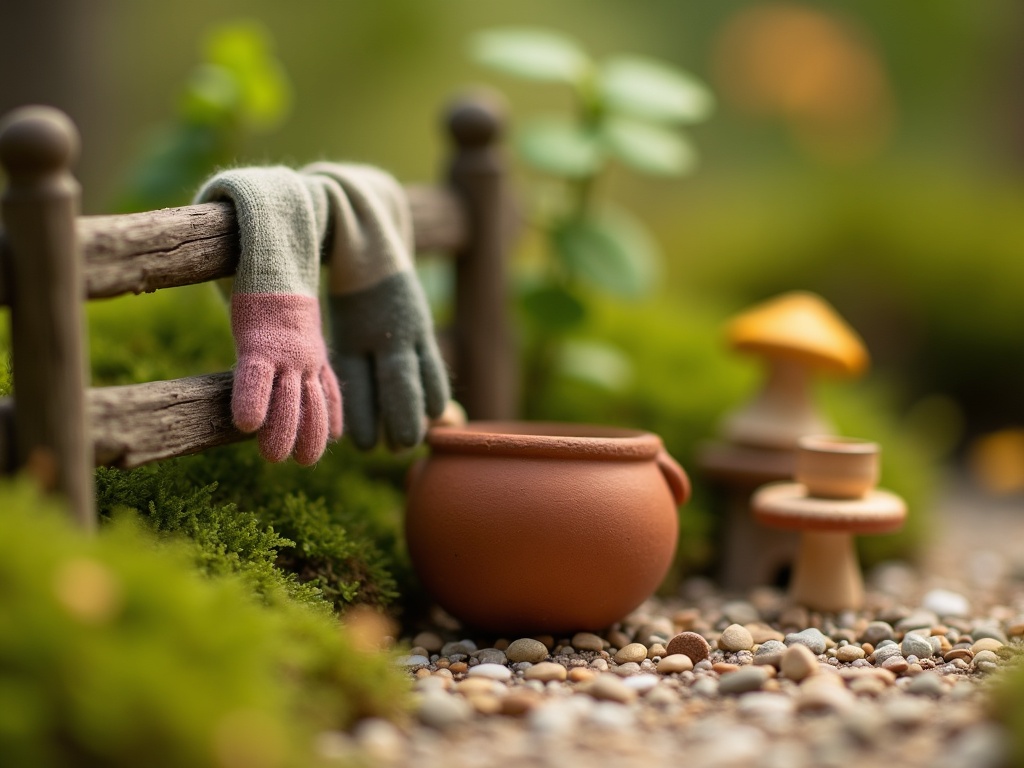
The details that make a scene feel inhabited are almost always the smallest: a tiny pair of gardening gloves draped over a fence rail, a trowel laid next to a pot, a half-drunk cup of tea on a mushroom stool. Our greenhouse miniature kit accessories set includes 14 of these lived-in accent pieces specifically for finishing builds. They consistently get called out in community photo captions as the thing that “made it feel real.”
Moss Application Changes Everything
Flat glued moss looks artificial. Layered moss, applied in patches of different densities with a few “bald spots” of gravel showing through, looks like an actual garden corner that has been growing for years. Press the edges of moss patches down firmly and leave the centers slightly raised. That small height variation catches light differently and reads as organic.
Photograph Before You Display
Once your scene is on a shelf, you’ll naturally view it from the front at eye level. But for photography, shoot from a lower angle (slightly below the horizon line of the scene) to give miniature structures genuine presence and scale. Hold your phone or camera just below table height, angled slightly upward. Builders who share their work in our community consistently report that this single change makes finished scenes look three times more impressive than shooting straight down from above. It’s the same trick that makes architectural photography of full-size buildings feel grand.
Gift Buying Guide for Fairy Garden Miniature Kits
These kits have become a reliable gift for a specific type of person: creative, detail-oriented, someone who needs permission to slow down for an afternoon. They’re increasingly popular as birthday gifts, Mother’s Day picks, and “just because” packages for makers who have most of the tools they need but always appreciate a new project to dive into.
A few guidelines for buying a miniature fairy garden kit as a gift:
- Match the kit to the recipient’s living situation. Apartment dweller with a windowsill? A self-contained pot-based kit is more practical than a 24-inch wood base scene.
- Consider their experience level honestly. Giving an advanced kit to someone who’s never built a miniature before is more frustrating than delightful. Start one tier below where you think they are.
- Check what’s included. A gift that requires a trip to the craft store before the recipient can start isn’t as satisfying to open.
- Seasonal themes land well. Our spring greenhouse kits, with their seed packet details and fresh botanical accents, have consistently been our most-gifted items from February through May.
If you’re unsure which kit is right, explore the full greenhouse and fairy garden kit range, where each listing clearly states difficulty level, estimated build time, age recommendation, and everything included in the box.
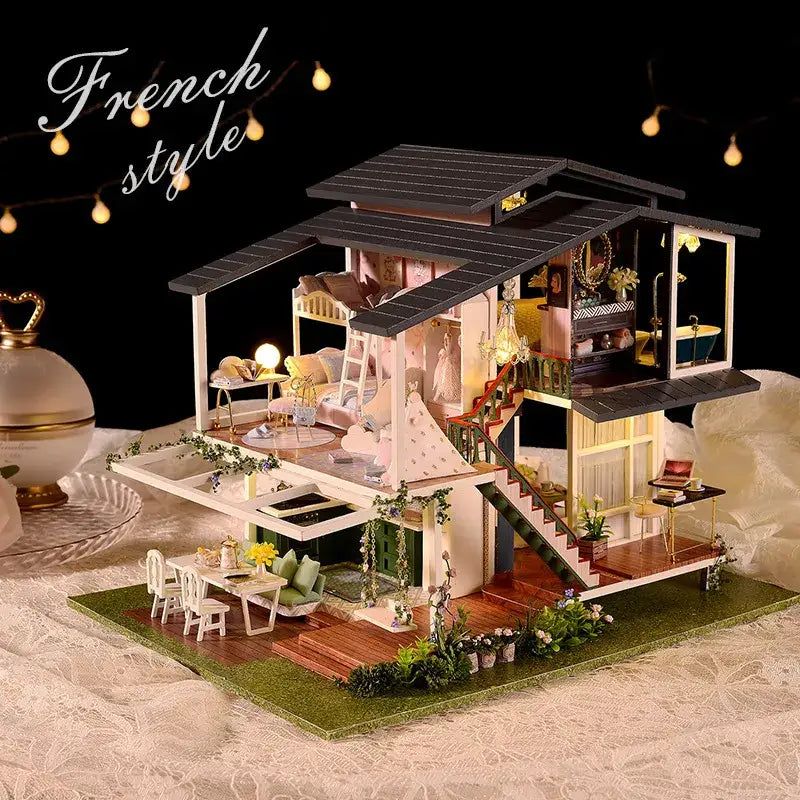
Premium collector piece
Monet’s Garden DIY Miniature House Kit
$155.00
Our most intricate garden build: Impressionist-inspired floral accents, a working bridge, LED water-effect lighting, and 40-plus hand-finished pieces. A landmark gift for a serious collector.
Frequently Asked Questions about Fairy Garden Miniature Kits
Everything you might be wondering (click a question to expand).
What is a fairy garden miniature kit and how is it different from buying individual miniatures?
A fairy garden miniature kit bundles everything needed to complete one cohesive scene: structural pieces, ground cover, accent items, adhesive, and instructions. Buying individual miniatures separately gives you more creative freedom but requires you to source compatible scales, matching aesthetics, and appropriate substrate materials on your own. Kits are faster to start, more beginner-friendly, and typically less expensive per finished piece than assembling the same scene from scratch.
Do fairy garden miniature kits include glue?
It depends on the kit. All kits in our range clearly list whether adhesive is included on the product page. Beginner-tier kits generally include a small bottle of craft glue or pre-applied adhesive pads so you can get started straight away. Intermediate and advanced kits sometimes omit glue because experienced builders often prefer a specific adhesive type (such as a low-temp glue gun or PVA). When in doubt, keep a low-temp glue gun nearby before you open the box.
Can I use real plants in a fairy garden miniature kit?
Yes, with the right planning. Kits designed for live plants specify drainage requirements and include appropriate base materials. Standard decorative kits (wooden structures, preserved moss) can be placed near a plant arrangement but should not be buried in moist soil, as untreated wood structures will degrade over time. If you want a truly living fairy garden, look specifically for kits labeled “terrarium-compatible” or “live planting” in the product description. Suitable small plants include sedums, baby tears, and creeping thyme.
How long does a completed fairy garden kit last?
A well-finished decorative scene (preserved moss, resin accents, sealed wooden structures) kept indoors and out of direct sunlight will hold up for several years. The preserved botanicals can fade gradually; a light mist with a moss revival spray once or twice a year helps. Outdoor displays will weather faster, so we recommend keeping wooden-structure kits inside or under a covered porch. Kits featuring live plants have an indefinite lifespan as long as the plants receive proper care.
What scale are fairy garden miniature kits?
Most fairy garden kits work at 1:12 scale (one inch equals one foot), the same standard used in traditional dollhouse building. Some cottagecore and garden-themed kits use 1:24 scale for a slightly more delicate look. Check the listed scale before mixing pieces from different kits, since a 1:12 watering can next to a 1:24 bench will look noticeably off.
Are fairy garden kits appropriate for children?
Most kits in our range are recommended for ages 14 and up due to small parts and the use of adhesives. Beginner-level kits with larger pieces and non-toxic water-based glue can work well for builders aged 10 to 13 with adult supervision. We always note the age recommendation on every product listing. For younger children, consider a kit specifically marketed as a kids’ activity rather than a detailed miniature scene.
Building a Habit Around Small, Satisfying Projects
The builders in our community who report the highest satisfaction aren’t necessarily the ones constructing the most elaborate scenes. They’re the ones who build regularly. One kit per season. A small greenhouse for spring, a harvest-themed cottage for fall. A dedicated Sunday afternoon, a cup of tea, a box opened with intention.
There’s real value in a creative practice that has a clear beginning, middle, and end. You start with a flat box of parts. You finish with a complete miniature world sitting on your shelf. That arc is satisfying in a way that open-ended creative projects sometimes aren’t, and it builds genuine confidence in your own taste and skills over time. Hannah started with a single Victorian dollhouse kit on a rainy Sunday in 2021 with no real plan; what grew from that one afternoon is the whole philosophy behind how we select and design every kit we carry.
Beginner or seasoned builder, the right fairy garden or greenhouse miniature kit is the one that matches where you are right now, not where you think you should be. Start there. The detail work will come. ✨