🎁 Buy 2 kits, get the 3rd FREE · Free shipping on every order

Best Paint for Miniature Houses: Acrylics, Brands, and What Actually Works
A complete guide to choosing the best paint for miniature houses in 2026. Compares Vallejo, Citadel, and Apple Barrel acrylics across coverage, price, and detail quality. Includes a starter palette, finishing tips, and difficulty-rated guidance for beginners through advanced builders.

Pick up the wrong paint and three hours of careful brushwork turns into a sticky, streaky mess. Pick the right one and every tiny window frame, every brick line, every half-inch front door looks crisp enough to stop people mid-sentence. Finding the best paint for miniature houses isn’t about buying the most expensive jar on the shelf. It’s about matching the formula to the surface, the scale, and the patience you’ve got on a Tuesday night.
Acrylics dominate miniature painting for good reasons: fast drying, water cleanup, low odor, and a color range that would make a hardware store blush. But not all acrylics behave the same way at 1:12 scale. Pigment load, viscosity, and finish all shift the final result more than most beginners expect. This guide breaks down the three brands that come up most often in the community, compares them honestly, and helps you build a starter palette without buying twenty pots you’ll never open.
Why Acrylic Paint Is the Standard for Dollhouse and Miniature Work
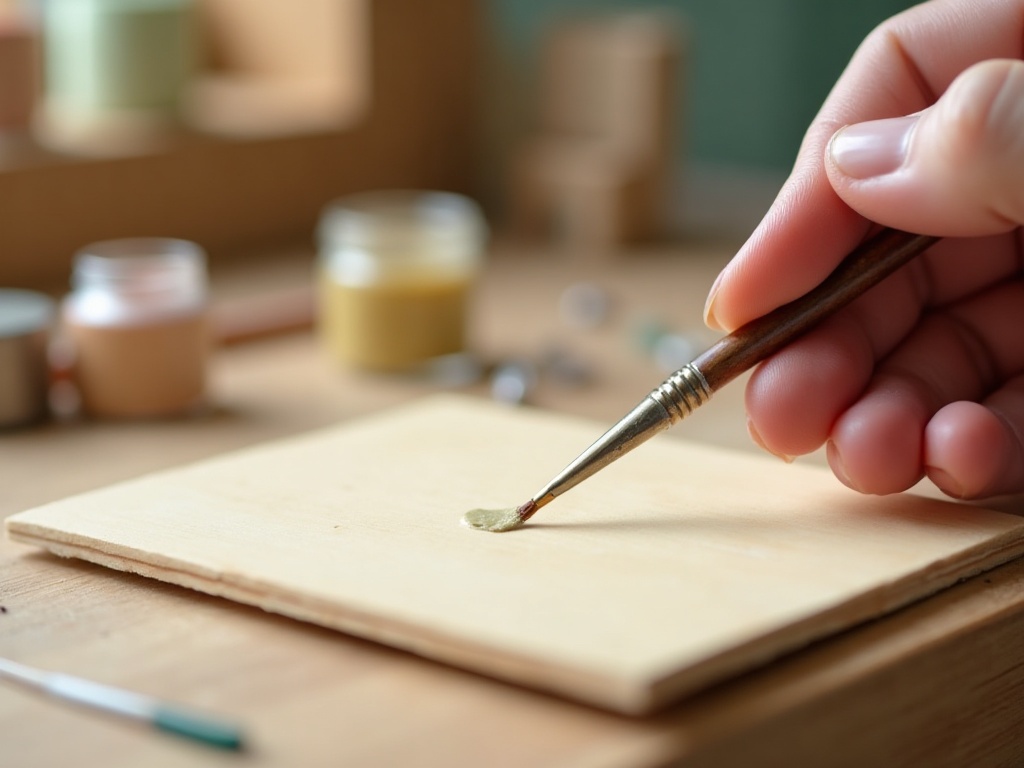
Acrylic paint is the standard for dollhouse and miniature work because it dries in minutes, cleans up with water, layers cleanly at 1:12 scale, and keeps color stable for years once cured on wood, MDF, or resin. Oil paints and enamels have loyal fans in the scale modeling world, but acrylics win on almost every practical count for miniature house builders. They dry within minutes, so you can layer a base coat, let it set, and add detail work in the same sitting. Water acts as the thinner and brush cleaner, which matters when your workspace is a kitchen table. And the color stays stable for years once cured, which means a finished piece stays accurate to your vision long after it leaves your workbench.
For thin, detailed work on surfaces like laser-cut wood, MDF, and resin, acrylics also self-level well when properly diluted. That self-leveling quality hides brushstrokes, which is exactly what you want when you’re painting a two-inch staircase baluster or a doorframe the width of a pencil.
There is also something quietly compelling about the pace of it. Loading a fine brush, pulling a smooth line across a tiny wainscot panel, watching the color settle into the grain. The flow of a fine brush over tiny trim is one of those meditative moments that turns a Tuesday night into something you genuinely look forward to. That rhythm is part of why so many builders find the best paint for miniature houses becomes a personal obsession rather than just a supply decision.
One practical note: always seal your finished piece with a compatible matte or satin varnish. Acrylic paint on its own can feel slightly tacky under humidity, and a thin topcoat locks everything in place. More on finishing choices further down.
📜 Did you know?
The 1:12 scale convention for dollhouses, where one inch equals one foot of real-world measurement, became a widely recognized standard in the 20th century as miniature collecting grew into a dedicated hobby. By the 1970s and 1980s, the National Association of Miniature Enthusiasts (NAME), founded in 1972, helped formalize scale standards that hobbyists still follow today. That standardization is part of why paint manufacturers now formulate products specifically aimed at scale modelers and miniature builders.
The 1:12 scale convention for dollhouses, where one inch equals one foot of real-world measurement, became a widely recognized standard in the 20th century as miniature collecting grew into a dedicated hobby. By the 1970s and 1980s, the National Association of Miniature Enthusiasts (NAME), founded in 1972, helped formalize scale standards that hobbyists still follow today. That standardization is part of why paint manufacturers now formulate products specifically aimed at scale modelers and miniature builders.
Bestseller cottage kit
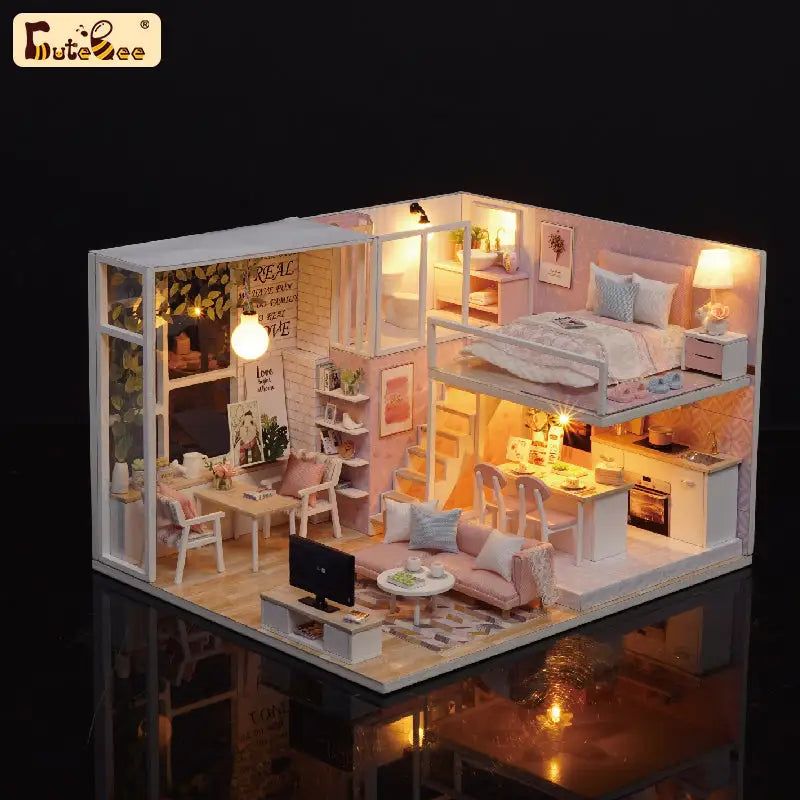
Tranquil Life DIY Miniature House Kit
$67.90
This cottage kit includes laser-cut MDF walls and trim that are ideal for practicing layered acrylic techniques. Builders consistently reach for Vallejo Ivory and a mid-gray for the interior before the kit is even fully assembled.
Vallejo Model Color: The Specialist’s Choice for Fine Detail
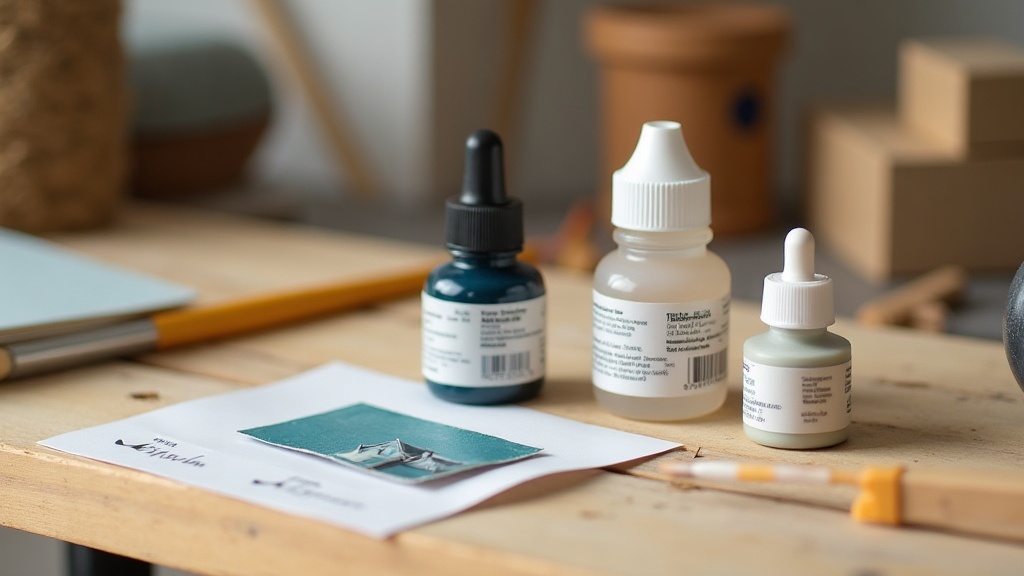
Vallejo Model Color is the specialist’s choice for fine detail because its high pigment load, dropper-bottle precision, and smooth formula give miniature builders consistent coverage and reliable color mixing on interior walls, trim, and resin. Vallejo Model Color is a Spanish brand that has been making acrylic paints since 1965. Their Model Color line is built specifically for scale modeling, and it shows in the formula. The dropper bottle design lets you dispense exactly one or two drops at a time, which eliminates wasted paint and makes thin, controlled mixes much easier. Pigment load is high, so coverage is strong even in thin coats.
For miniature house work, Vallejo shines on two things: skin-like wood tones and architectural neutrals. Their range of warm whites, aged creams, and soft grays maps almost perfectly onto Victorian and Edwardian interior palettes. Colors like Pale Sand (70.837), Deck Tan (70.986), and Ivory (70.918) are community favorites for walls and trim.
- Consistency: Very smooth, low-grit texture. Flows easily from a fine brush.
- Coverage: Strong. Two thin coats usually complete most surfaces.
- Dry time: 15-30 minutes per coat at room temperature.
- Price range: Approximately $3.50-$4.50 per 17ml bottle (2026 pricing).
- Best for: Intricate detail work, interior walls, finely milled trim, resin accessories.
The one limitation: Vallejo’s range skews toward military and figure painting origins, so some decorative colors popular in home-style palettes (dusty rose, sage green, warm terracotta) require mixing. That mixing practice is actually a skill worth building, and the consistent base formula makes blending reliable. Many builders in our community specifically describe late-night mixing sessions with Vallejo as meditative, something about the measured dropper drops and gradual color shift that shuts off the rest of the day’s noise.
A good entry point for newcomers is the Vallejo Model Color Starter Set, which bundles 16 frequently used shades at around $40-$45. It covers enough of the architectural spectrum to complete an entire beginner interior without reaching for anything else, and the dropper bottles make it easy to ration paint precisely on tiny surfaces.
Citadel (Games Workshop): Surprisingly Useful Beyond Fantasy Figures
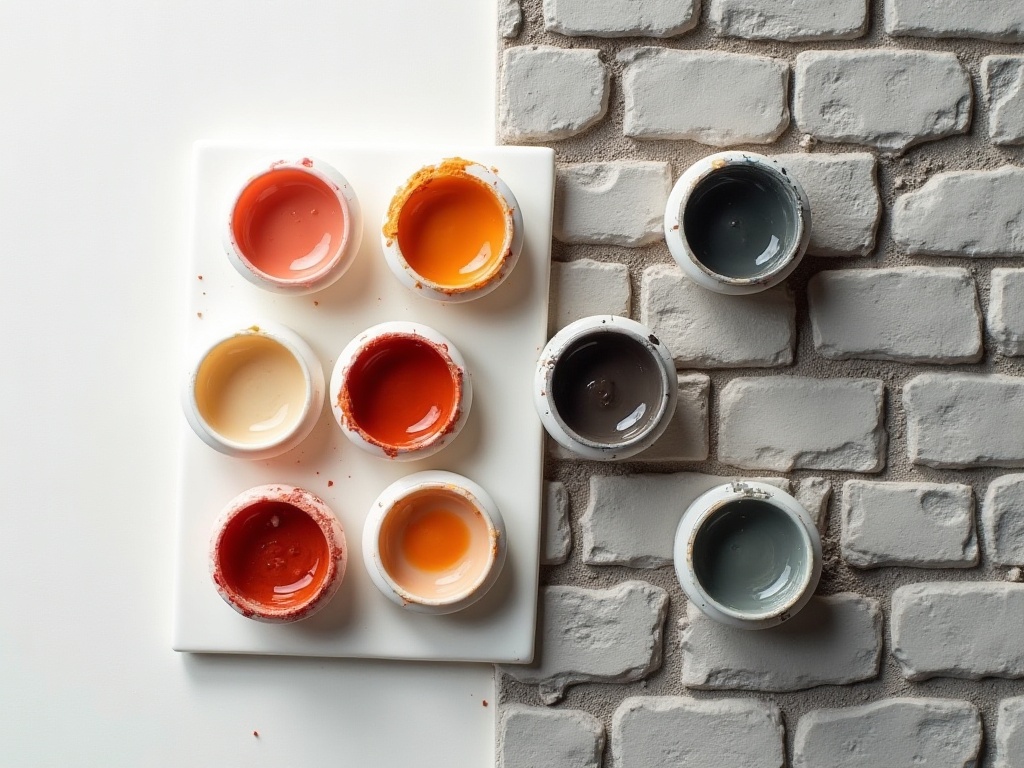
Citadel paints are surprisingly useful for miniature houses because their Base range covers raw MDF in a single coat, and Contrast paints self-shade brick, stone, and wood textures in one pass. Citadel paints were built for painting fantasy miniatures, dragons, and warriors. But the community discovered something useful years ago: their Base and Layer paints work beautifully on architectural miniature surfaces too. The Base range has exceptional pigment density, covering raw MDF and unprimed wood in a single coat in many cases. The Layer range thins down to a near-glaze consistency for smooth graduated tones.
Citadel also introduced Contrast paints, a tinted medium that flows into recesses and self-shades surfaces. For brick effects, wooden floorboards, and stone walls, Contrast paints produce results that would take multiple washes and dry-brush layers with traditional acrylics. Wyldwood and Snakebite Leather are particularly popular for warm wood tones in miniature interiors. Watching a single pass of Contrast paint settle into a laser-cut brick pattern and instantly read as aged masonry is one of those small satisfactions that keeps you at the workbench well past your planned stopping time.
- Consistency: Thick out of the pot; needs dilution for most miniature house work.
- Coverage: Exceptional for Base range. Layer range is semi-transparent by design.
- Dry time: 10-20 minutes. Contrast paints can take up to 45 minutes to fully settle.
- Price range: Approximately $4.50-$6.00 per 12ml pot (2026 pricing).
- Best for: Textures, stone and brick effects, rapid base coating on raw wood kits.
The pot design is a fair criticism. Wide-lid pots expose paint to air during use, and the paint can skin over if you work slowly. Decanting into a wet palette before a session solves this completely. It’s a small habit that makes a real difference.
For builders who want a focused starting point, the Citadel Base Paint Set (around $35 for 11 essential shades) gives you the most useful architectural colors from the Base range without committing to individual pots you may not need.
✨ Hannah’s tip
Before you open a single pot, prime your pieces. A thin coat of gray or white acrylic gesso (or a rattle-can primer formulated for model work) seals raw MDF fibers and gives every paint brand a uniform surface to grip. Without primer, MDF acts like a sponge and drinks your first coat unevenly, especially around cut edges. I use a flat white gesso for light-colored interiors and a mid-gray spray primer for anything getting a darker palette. Two minutes of prep saves you from re-coating three times.
Before you open a single pot, prime your pieces. A thin coat of gray or white acrylic gesso (or a rattle-can primer formulated for model work) seals raw MDF fibers and gives every paint brand a uniform surface to grip. Without primer, MDF acts like a sponge and drinks your first coat unevenly, especially around cut edges. I use a flat white gesso for light-colored interiors and a mid-gray spray primer for anything getting a darker palette. Two minutes of prep saves you from re-coating three times.
Apple Barrel: The Budget-Friendly Option That Earns Its Place
Apple Barrel earns its place as the budget-friendly option because its $1-$2 bottles cover large surfaces like siding, flooring, and roof panels without wasting expensive specialist paint on broad base-coating. Apple Barrel is a craft acrylic brand sold at major US craft retailers for around $1-$2 per 2oz bottle. It sounds like the obvious compromise, but it genuinely holds its own for large-surface work. Exterior siding, interior flooring, roof panels, garden paths: anywhere you need to cover a broad area without burning through expensive specialist paint, Apple Barrel delivers.
The pigment load is lower than Vallejo or Citadel, so fine detail work in Apple Barrel requires more coats and more patience. But the sheer color range, often 50-plus colors on a single store shelf, makes it easy to find the exact dusty blue or warm red-brown you’re picturing without mixing. For hobbyists building their first miniature house accessories kit and watching their budget, Apple Barrel is a smart entry point.
- Consistency: Slightly thinner than Vallejo or Citadel. Can run on vertical surfaces if over-applied.
- Coverage: Adequate. Three thin coats recommended on raw wood for solid opacity.
- Dry time: Fast, around 10-15 minutes.
- Price range: $1.00-$2.00 per 2oz bottle (2026 pricing).
- Best for: Large surface areas, exterior walls, base-coating before detail work with a finer brand.
A practical two-brand workflow many builders use: Apple Barrel for the big areas, Vallejo or Citadel for the trim and details. Your cost per project stays manageable, and the final quality reads as high-end because the detail work carries the visual weight. Many community members pick up a ready-made Apple Barrel 18-color multi-pack palette (around $18-$22 at most craft retailers) as their very first purchase, which gives a broad enough range to base-coat an entire kit exterior and interior floor without mixing anything.
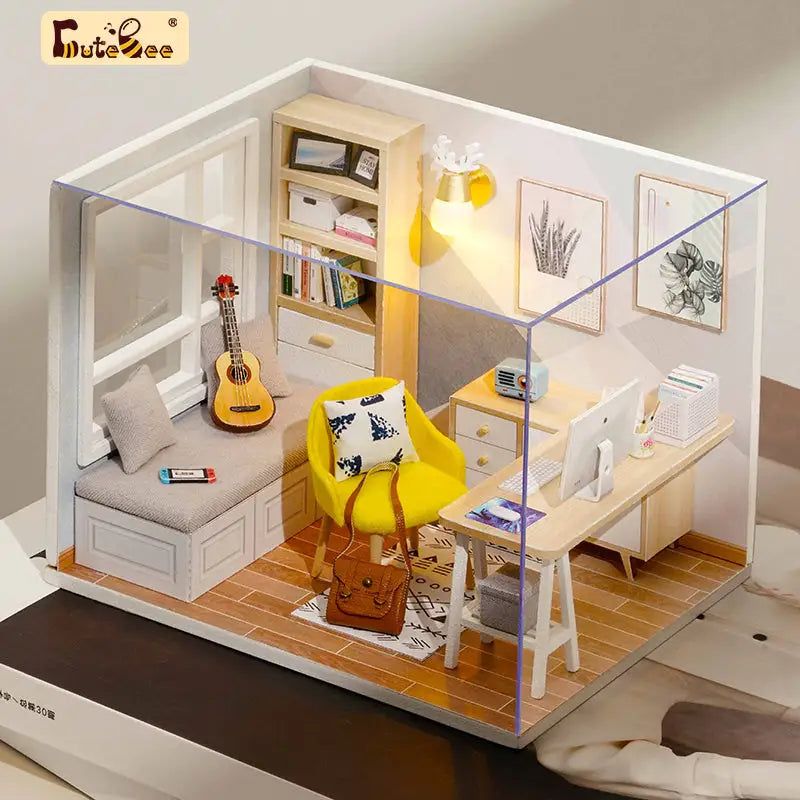
Easy starter under $50
Sun Room DIY Miniature House Kit
$49.99
The Sun Room kit has open-plan wall panels and a light wood palette that pairs perfectly with Apple Barrel’s warm neutrals for broad coverage, then a few drops of Vallejo Bright Brass for the window hardware. A satisfying first project that teaches you exactly when to switch brushes.
Brand-by-Brand Comparison at a Glance
Choosing between these three brands comes down to the task at hand: Apple Barrel for broad coverage, Citadel Contrast for textures, and Vallejo for fine detail, with a complete starter trio from all three costing under $60. Choosing between these three brands often comes down to the specific job at hand. Here is a side-by-side breakdown across the factors that matter most for miniature house builders, so you can match brand to task without reading every section twice.
| Feature | Vallejo Model Color | Citadel Base / Contrast | Apple Barrel |
|---|---|---|---|
| Price per unit | $3.50-$4.50 / 17ml | $4.50-$6.00 / 12ml | $1.00-$2.00 / 2oz (59ml) |
| Pigment density | High | Very high (Base); medium (Contrast) | Moderate |
| Consistency out of container | Smooth, ready to use | Thick; dilution recommended | Slightly thin; runs on verticals |
| Container type | Dropper bottle (precision) | Wide-lid pot (skins over) | Squeeze bottle |
| Dry time per coat | 15-30 min | 10-20 min (Contrast: up to 45 min) | 10-15 min |
| Best surface use | Fine trim, interior walls, resin | Stone, brick, wood textures | Exterior siding, large floors, base coating |
| Mixability with other brands | Excellent | Good | Good |
| Color range (architectural tones) | Wide; neutral-heavy | Moderate; texture-focused | Very wide; decorative tones included |
| Beginner friendliness | High | Moderate (technique-dependent) | Very high |
| Best starter product | Model Color Starter Set (~$40) | Base Paint Set (~$35) | 18-color multi-pack (~$20) |
The takeaway: no single brand wins across every category. The most efficient approach is a blended kit. Apple Barrel handles the broad coverage, Citadel Contrast handles texture effects, and Vallejo carries the fine detail. Together, a starter trio from all three brands costs under $60 and covers virtually every surface in a beginner or intermediate miniature house build.
How to Choose Based on Your Project Type
The right paint for your miniature house project depends on difficulty: beginners do well with Apple Barrel and a few Vallejo neutrals, while advanced builders need Vallejo’s full color-mixing range. Not every miniature house project calls for the same approach. Difficulty rating matters here. A beginner working through their first dollhouse accessories collection needs forgiving, fast-drying coverage. An experienced builder recreating a specific historical interior needs precise tone matching and fine-line control.
Beginner Projects (Difficulty 1-2/5)
Start with Apple Barrel for wall and floor coverage. Add two or three Vallejo neutrals (white, a warm cream, a mid-gray) for trim. Keep your palette under ten colors. The constraint sharpens decision-making and reduces overwhelm. Brush selection matters as much as paint: a size 2 flat for walls, a size 0 round for detail. There is also a pleasant meditative quality to these early sessions, mixing a single custom cream from two Apple Barrel bottles and applying it to a whole row of tiny clapboards, stroke after stroke, until the color is just right.
Intermediate Projects (Difficulty 3/5)
Introduce Citadel Contrast paints for wood and stone textures. Practice layering techniques: a dark base, a mid-tone dry-brush, a light highlight pick. This three-step approach transforms flat surfaces into convincing materials. At this stage, a wet palette becomes non-negotiable for keeping mixes workable across a session.
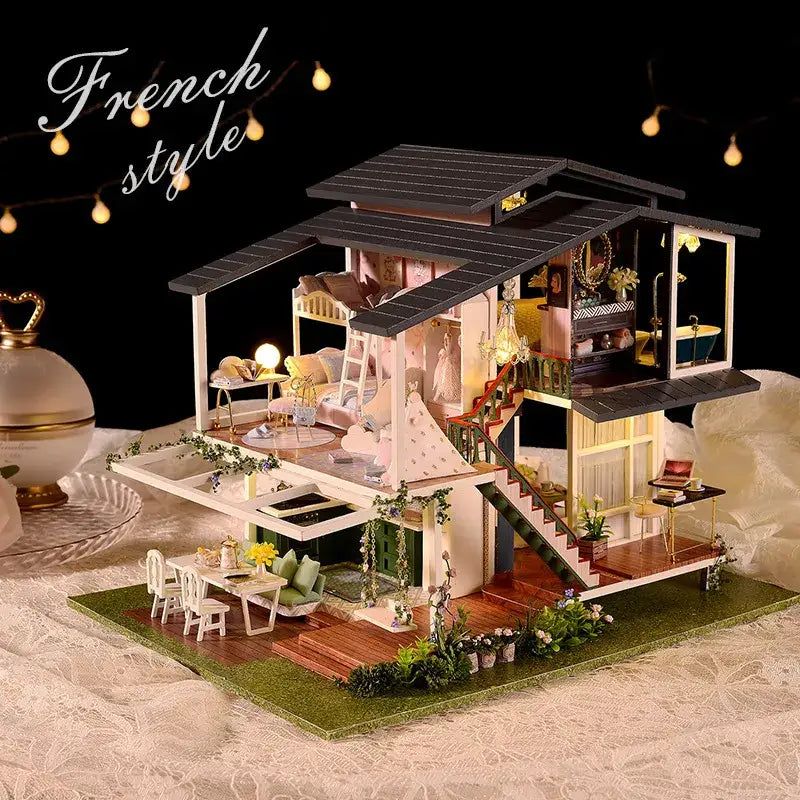
Rare in the niche
Miniature Greenhouse Kits
22 LED-lit greenhouse builds
Greenhouse builds have high texture complexity: glass-effect acrylic panels, aged metal frames, terracotta pots. Citadel Contrast paints for the rust tones and Vallejo’s Bright Brass for the frame hardware are the combination the community keeps returning to.
Advanced Projects (Difficulty 4-5/5)
Full Vallejo toolkit, color theory in practice, custom mixing. Advanced builders often photograph their pieces alongside a reference palette to check tonal accuracy. At this level, the meditative rhythm of mixing and applying thin glazes becomes genuinely satisfying, not just technically useful. There’s something quietly absorbing about getting a single tiny cornice to read exactly like aged plaster. The satisfaction is real, and it is the reason so many builders describe their workbench time as the best part of the week.
Sealing and Finishing: The Step Most Beginners Skip
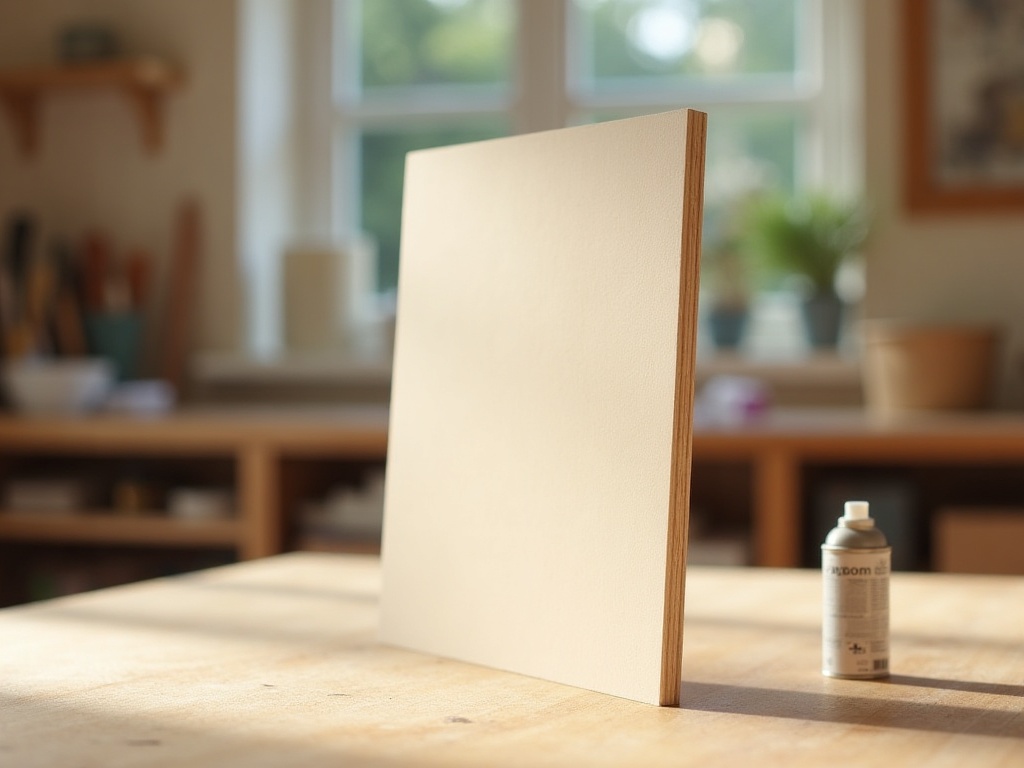
Sealing your finished piece with a compatible matte or satin varnish is the step most beginners skip, but it locks in months of careful brushwork and protects against humidity and handling. Paint choice matters, but finish choice matters almost as much. A matte varnish on a Victorian parlor interior looks correct. A gloss varnish on the same surface looks toy-like. Semi-gloss or satin finishes work for kitchens, bathrooms, and exteriors where some sheen makes visual sense.
Vallejo produces a range of water-based varnishes in matte, satin, and gloss that are chemically compatible with all three paint brands covered here. Testors Dullcote, an aerosol lacquer, gives an ultra-flat finish and is particularly useful for locking in pastel chalk weathering effects. Apply in thin passes at 12-14 inches from the surface to avoid clouding.
For pieces that will be handled, gifted, or displayed in high-humidity rooms, two coats of matte varnish are worthwhile. It adds maybe fifteen minutes to the finishing stage and protects months of careful work. If you’re building from one of our miniature house kits, we recommend sealing before any final assembly that would make the interior hard to reach with a brush.
Premium collector piece
Monet’s Garden DIY Miniature House Kit
$155.00
This build has one of the highest surface-variety counts in our range: stone paths, painted plaster walls, aged wood beams, and hand-finished garden elements. It rewards a full three-brand painting approach and two coats of matte varnish on the exterior before assembly.
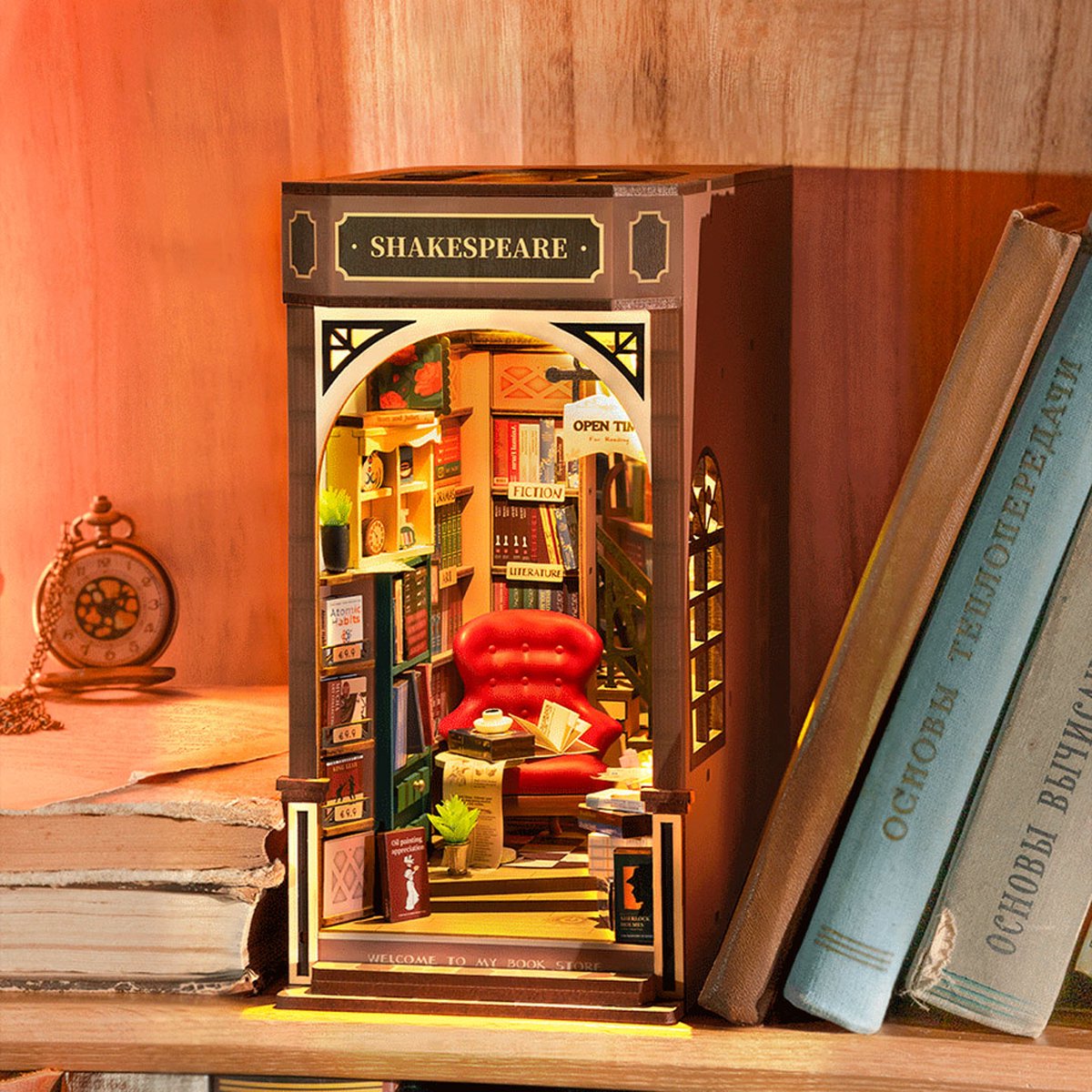
Explore the collection
All Book Nook Kits
76 handcrafted book nook kits
Book nook kits pack an enormous amount of paintable surface into a small footprint. Stone archways, brick alleyways, and tiny shop fronts all respond beautifully to the Citadel Contrast plus Vallejo detail combination described above.
Frequently Asked Questions about Painting Miniature Houses
Everything you might be wondering (click a question to expand).
Can I use regular house paint on a miniature dollhouse?
You can, but the results are usually disappointing. Standard interior latex paint has a thicker viscosity and lower pigment density than acrylic craft or hobby paints. It fills fine engraved details, raises wood grain aggressively, and often looks too shiny or too flat at 1:12 scale. Stick with acrylic craft or hobby paints for anything under a few inches wide.
Do I need to prime before painting a laser-cut wood miniature kit?
Yes. Raw MDF and laser-cut basswood absorb paint unevenly, particularly along cut edges. A thin coat of white acrylic gesso or a light-gray spray primer seals the surface and gives your color coats a consistent base. It takes one extra step but cuts total coat count in half and sharpens detail edges noticeably.
How do I avoid visible brushstrokes on flat wall panels?
Thin your paint slightly with water (roughly 10-15% water by volume) and use a wide, flat brush in long, single-direction strokes. Let each coat dry fully before applying the next. A second thin coat applied perpendicular to the first also helps self-level the surface. Vallejo’s formula is particularly forgiving here because of its fine pigment grind.
Is Citadel paint worth the higher price for dollhouse work?
For texture effects like stone, brick, and aged wood, Citadel Contrast paints are genuinely hard to replicate with standard acrylics without a lot of layering experience. If those textures appear often in your projects, the price premium pays off in time saved. For flat architectural surfaces, Vallejo or Apple Barrel delivers comparable results at lower cost.
How long does acrylic paint last in the bottle?
Unopened, most acrylic hobby paints last 5-10 years stored away from direct heat and sunlight. Once opened, consistent resealing extends usable life to 2-3 years for dropper bottles and 1-2 years for wide-lid pots. Citadel pots dry out faster because of their wider opening. Adding a few drops of distilled water and a dedicated mixing ball (a small stainless steel bearing) can revive thickened paint in many cases.
Can I mix Vallejo and Citadel paints together on a palette?
Yes, and many experienced builders do exactly this. Both are water-based acrylics with compatible binder chemistry. Mixing them on a wet palette produces stable, workable blends. The most common combination is Vallejo’s architectural neutrals used as a base, with Citadel Contrast paint applied as a tinted glaze over the top for instant depth and shading. The only caution: avoid mixing a Citadel Contrast paint with a Vallejo paint in the bottle itself, as the Contrast medium can affect the dropper tip over time.
Which paint dries the fastest for quick session work?
Apple Barrel dries the fastest at 10-15 minutes per coat, which makes it practical for rapid base-coating sessions where you want to apply three coats in a single evening. Citadel Base paints follow closely at 10-20 minutes. Vallejo Model Color takes 15-30 minutes but rewards the extra wait with a smoother surface that needs fewer coats overall. For the most efficient workflow, base-coat in Apple Barrel while a Vallejo detail coat dries elsewhere on the piece.
Building a Starter Palette for Your First Miniature House Project
Building a starter palette for your first miniature house project means choosing ten focused colors across three brands, covering Victorian and contemporary interiors for under $35 without duplication or wasted paint. Here’s a concrete ten-color starting palette that covers most Victorian and contemporary miniature interiors without duplication or waste. It also happens to represent the best paint for miniature houses strategy in practical form: blend brands by task rather than brand loyalty.
- Flat white (any brand): ceilings, trim, wainscoting.
- Warm cream or ivory (Vallejo Ivory 70.918 or Apple Barrel Antique White): main wall color.
- Mid-gray (Vallejo London Grey 70.836): stone, slate, exterior accents.
- Raw wood brown (Citadel Wyldwood Contrast): floorboards, exposed beams.
- Deep walnut brown (Apple Barrel Nutmeg Brown): dark wood furniture bases, staircases.
- Brick red (Apple Barrel Barn Red): exterior brick, terracotta pots.
- Sage or forest green (Vallejo Russian Uniform 70.924 or mix): garden elements, shutters.
- Black (any brand): ironwork, fireplace grates, outlines.
- Gold or brass (Vallejo Bright Brass 70.801): hardware, candlesticks, picture frames.
- Matte varnish (Vallejo or Testors Dullcote): finishing seal for completed pieces.
Ten pots, under $35 if you mix brands strategically. That’s enough to complete a full interior and exterior on most beginner and intermediate kits. As your projects grow more specific, you add colors for specific needs rather than buying speculatively. Your miniature accessories will also tell you what colors you’re missing: once you start populating tiny rooms with furniture and props, the palette gaps become obvious and intentional.
The whole process, from priming raw wood to sealing the finished piece, runs about the same rhythm as any satisfying craft habit. Quiet, focused, and completely absorbed. That first coat going down smooth on a freshly primed wall is a genuinely good feeling, regardless of how many houses you’ve built before. It’s one of the reasons people who try one miniature house kit almost always come back for a second.