🎁 Buy 2 kits, get the 3rd FREE · Free shipping on every order

Cyberpunk Book Nook Ideas: Building Neon-Soaked Miniature Worlds
Discover how to create stunning cyberpunk book nook displays with neon lighting, retro-futurism details, and immersive storytelling. Explore techniques for building atmospheric miniature worlds that blend vintage tech aesthetics with futuristic edge.

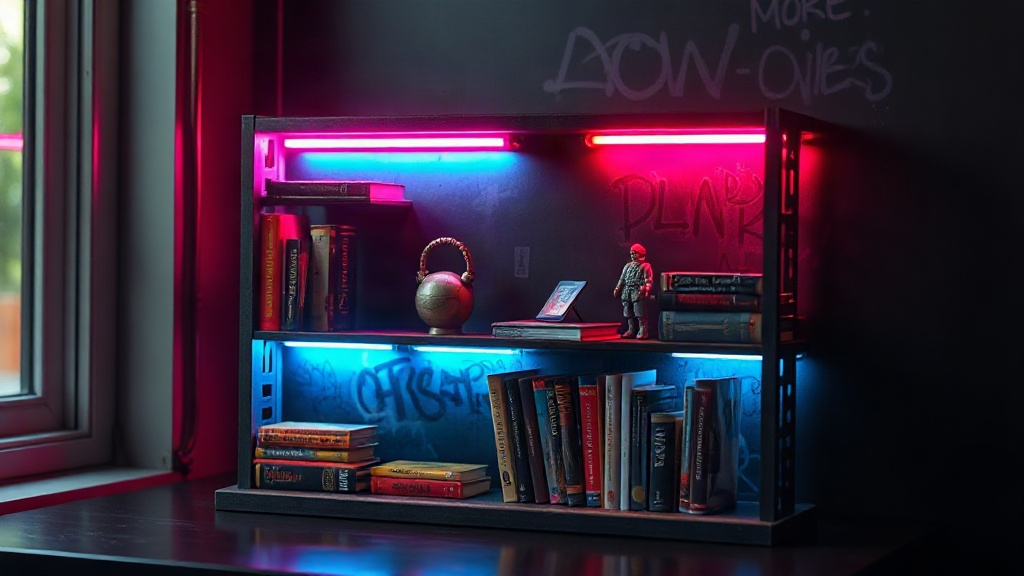
Cyberpunk aesthetics have taken over miniature building. The appeal is unmistakable: cyberpunk book nook ideas combine moody neon lighting, layered technology, and that specific blend of decay and futurism that makes people stop and stare. If you’ve scrolled through maker communities lately, you’ve seen them everywhere. Neon pinks, electric blues, and weathered steel surfaces create scenes that feel alive in ways most shelves never do. Most builders complete a first nook in around 15 to 20 hours of focused work, spread across a weekend or two.
The beauty of building cyberpunk-themed book nooks isn’t just aesthetic. The meditative focus required to layer lighting, paint worn surfaces, and position tiny details grounds you in the creative moment. You’re not scrolling. You’re building something tactile and strange and entirely yours.
Why Cyberpunk Aesthetics Work for Book Nooks
Cyberpunk aesthetics work for book nooks because the style rewards imperfection: dark backgrounds, neon accents, weathered panels, and asymmetrical layouts turn flaws into features, giving builders total creative freedom within a small space. Cyberpunk leans into contrast. Dark backgrounds pair with neon accents. Clean geometry sits beside organic decay. This tension naturally suits miniature spaces because it gives you permission to break traditional rules. A book nook doesn’t need perfect finish or pristine shelving. Weathered panels, exposed wiring, and asymmetrical layouts become features, not flaws.
The neon element transforms lighting from functional to narrative. Standard bulbs illuminate a shelf. Neon tells a story: this is a hacker’s den, a dystopian bar, a space where information trades hands under purple and pink light. LED strip lights with adjustable colors cost less than $20 and unlock completely different moods within the same physical build.
Building a neon-themed book nook design also means you can reuse materials creatively. Circuit boards, old tech salvage, crumpled copper foil, and weathered wood scraps become architectural elements rather than waste. The aesthetic rewards resourcefulness.
Hannah’s tip
Start with your lighting first, not last. Position your LED strips before gluing down permanent elements. This lets you test the exact color temperature and brightness. Cheap LED testers save you hours of regret later. Most builders reverse-engineer the lighting once they’ve built the structure, which means dismantling to hide wires. Plan differently.
Start with your lighting first, not last. Position your LED strips before gluing down permanent elements. This lets you test the exact color temperature and brightness. Cheap LED testers save you hours of regret later. Most builders reverse-engineer the lighting once they’ve built the structure, which means dismantling to hide wires. Plan differently.
Essential Materials for Cyberpunk Nooks
Bestseller cottage kit
Tranquil Life DIY Miniature House Kit
$67.90
View this kit →
The essential materials for a cyberpunk nook are base construction (foam board, plywood, or MDF), matte and metallic paints, programmable RGB LED strips, and weathering supplies like dry brush, pigment powders, and watered-down acrylics. You don’t need expensive specialty items. The foundation requires: base construction (foam board, plywood, or MDF), paint (matte black, white, metallics), lighting (programmable LED strips), and weathering supplies (dry brush, pigment powders, watered-down acrylics). Add texture with materials most makers already have: sandpaper, steel wool, crumpled paper, wire scraps.
For the neon effect specifically, RGB LED strip lights are essential. These come in 16-color or 256-color options; 256-color strips give you the full spectrum but add slight complexity during setup. Most connect to simple remotes or smartphone apps. Budget $15-35 per strip depending on length and features.
Weathering transforms new materials into believable decay. Dry brushing (dragging a nearly-dry brush across surfaces) deposits pigment into crevices. Rust pigments, black and dark brown acrylics thinned with water, and metallic paint scraped across edges simulate wear without looking cartoonish. Less effort than you’d think, more impact than any single decorative piece.
Building Your Cyberpunk Scene: The Layering Method
The layering method builds a cyberpunk scene in three planes: a background that establishes the world with signage and painted murals, a middle ground of architecture and weathered structures, and a foreground of books and miniature props. Successful cyberpunk nooks use depth. Think in three planes: background, middle ground, and foreground. Your background establishes the world (billboard graphics, neon signage, painted murals). The middle ground contains architecture (catwalks, shelving, structural beams). The foreground holds your book collection and miniature figures.
Start with the background. Printed or hand-drawn cyberpunk imagery works, or paint abstract neon lines and graffiti directly onto black surfaces. If you’re not confident with freehand work, digital designs printed on glossy paper and sealed with matte varnish blend seamlessly. Many builders source high-res cyberpunk concept art (legally available through creative commons licenses) and resize for their nook scale.
Layer your middle-ground structure next. Shelving doesn’t need to be symmetrical. Staggered platforms, suspended elements (hung from nearly-invisible wire), and angled supports feel more dynamic. This is where weathering really earns its place. Exposed “metal” beams with rust streaks, “concrete” surfaces with dust and grime, cable runs that look functional rather than decorative. The texture tells your viewer this is a place with history and use.
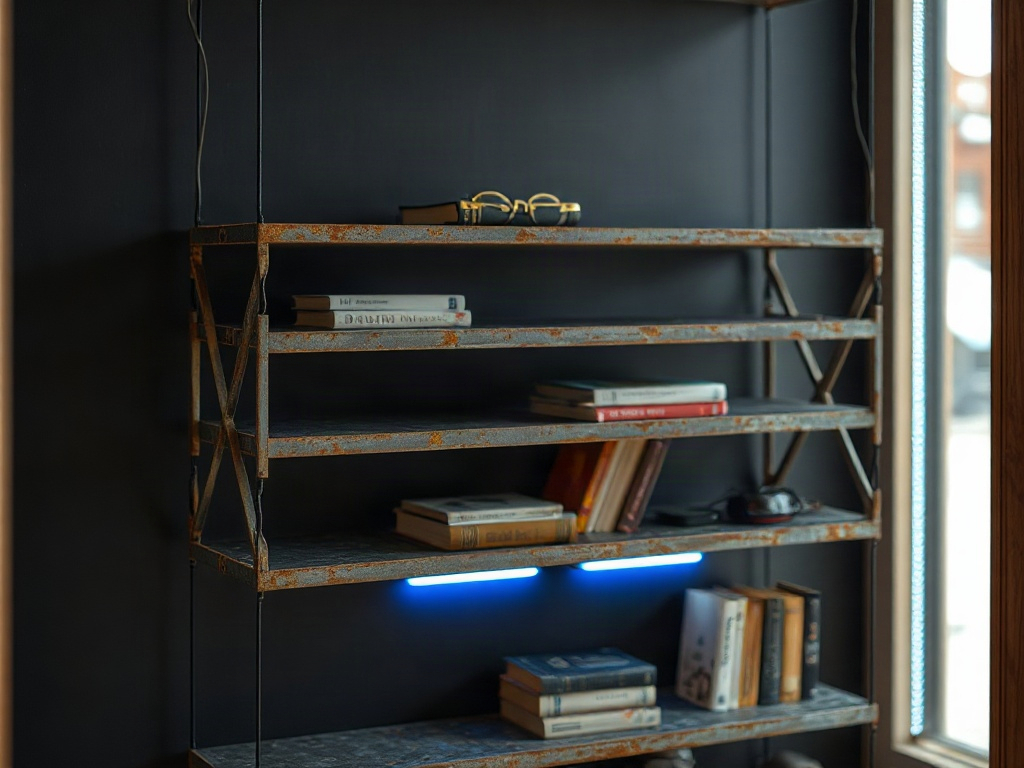
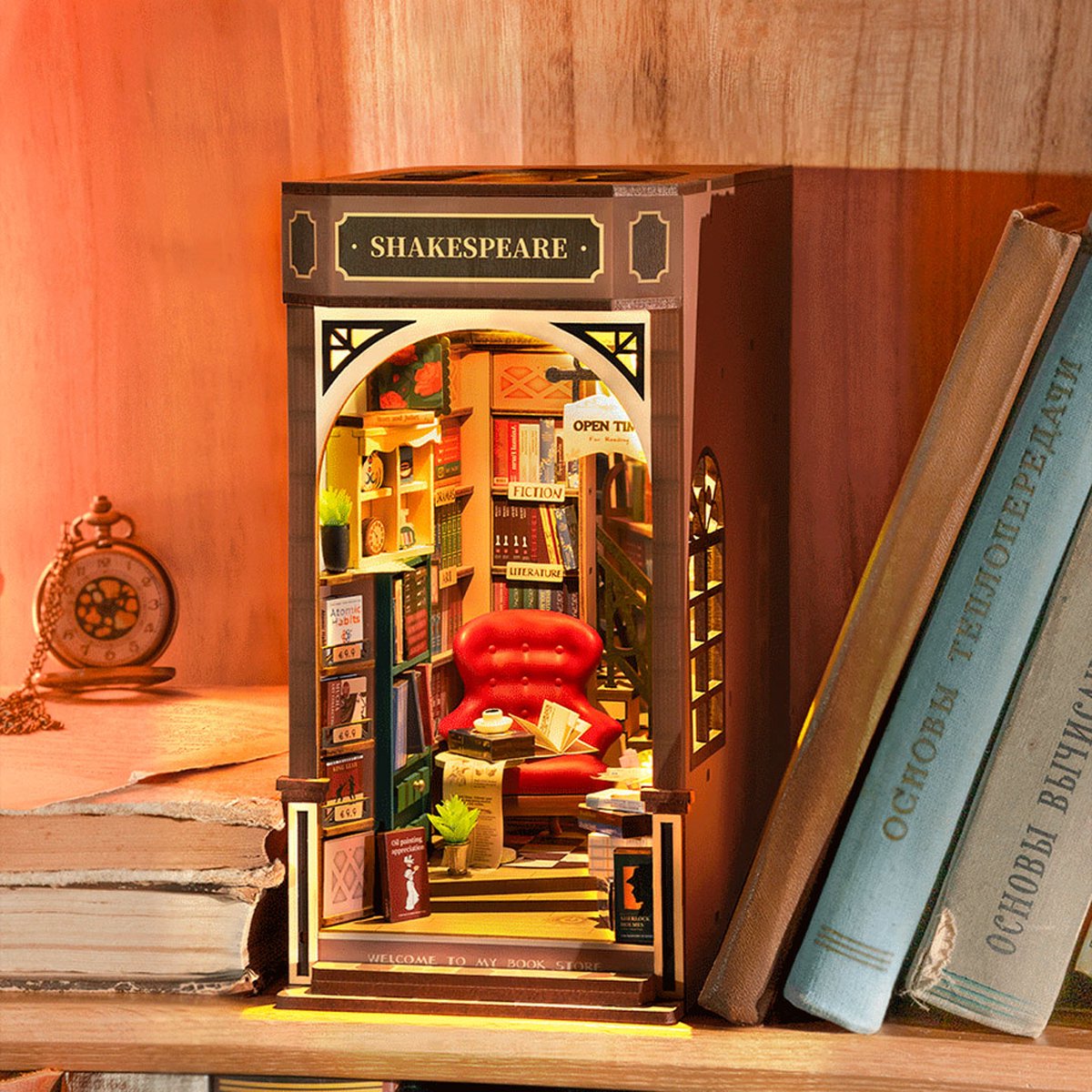
Foreground details personalize the scene. Books matter here, obviously, but so do props. A tiny LED “neon” sign above a shelf, coffee cups on a desk, scattered data cards or small tech pieces. Proportion counts. A 1:12 scale book nook suits objects that feel naturally present. A book nook that’s 1:24 scale might need smaller accessories to feel right.
Did you know?
Cyberpunk as a genre emerged in the 1980s through authors like William Gibson, who coined the term “cyberspace” in his 1984 novel Neuromancer. The aesthetic combines punk rebellion with high-tech futurism, rooted in a specific anxiety about surveillance, corporate control, and technological acceleration. That tension between danger and wonder translates perfectly into miniature form because the small scale itself creates intimacy.
Cyberpunk as a genre emerged in the 1980s through authors like William Gibson, who coined the term “cyberspace” in his 1984 novel Neuromancer. The aesthetic combines punk rebellion with high-tech futurism, rooted in a specific anxiety about surveillance, corporate control, and technological acceleration. That tension between danger and wonder translates perfectly into miniature form because the small scale itself creates intimacy.
Lighting Techniques That Transform the Space
The lighting techniques that most transform a cyberpunk nook are edge lighting hidden along the back or sides for ambiance, under-shelf strips that draw the eye downward, and accent lights on separate circuits that highlight neon signs and metallic surfaces. LED strips are your primary tool, but placement matters enormously. Edge lighting (strips hidden along the back or sides) creates ambiance without overwhelming detail. Under-shelf lighting draws the eye downward and hides the light source. Accent lighting highlights specific features: a neon sign above an entryway, colored light reflecting off metallic surfaces, ambient glow through frosted panels.
Color temperature shifts mood. Cool white (5000-6500K) feels clinical and modern. Warm white (3000K) suggests incandescent bulbs or lived-in spaces. RGB strips let you shift between these or go full neon. Many builders use cool white as the base layer and add colored accents on a separate circuit, so you can toggle between moods.
Practical tip: hide wires behind structure elements or run them through channels you’ve built into your frame. Visible cables break the immersion unless they’re intentional parts of your design (like a futuristic control panel). A small adhesive-backed clip costs pennies and keeps wires neat during installation.
Color Palettes for Cyberpunk Authenticity
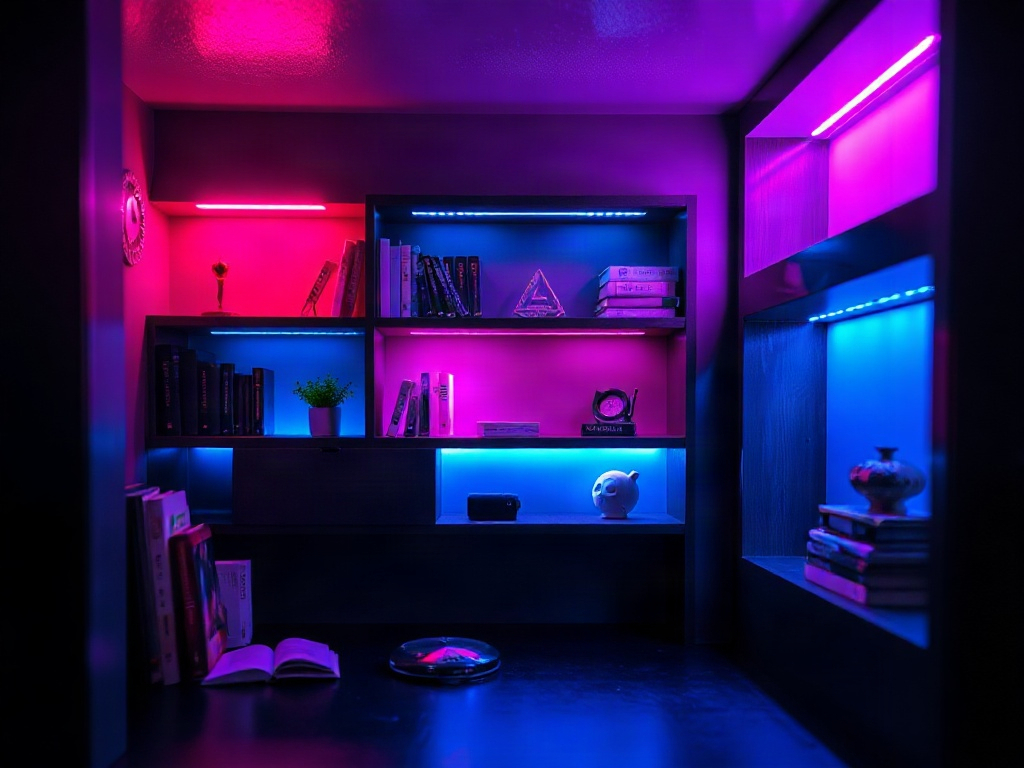
The most authentic cyberpunk color palette pairs hot pinks or magentas with electric blues or teals against a matte black background, then layers in one unexpected accent color to suggest story detail and avoid visual cliche. Classic cyberpunk pairs hot pinks or magentas with electric blues or teals against black backgrounds. Add white for contrast and definition. This palette appears in retro-futurism specifically: think 1980s tech branding, early video game aesthetics, synthwave design. These colors reproduce faithfully in LED form because neon lights are already a simplified color palette.
The table below shows how the classic palette compares with secondary and advanced options, so you can plan your build before committing to paint:
| Palette style | Primary colors | Accent colors | Best for |
|---|---|---|---|
| Classic neon | Hot pink, electric blue | White, deep black | First builds; strong visual impact with minimal effort |
| Rust and violet | Burnt orange, deep purple | Aged brass, dark charcoal | Industrial or post-apocalyptic scenes with a warmer feel |
| Hazard green | Acid green, near-black navy | Sickly yellow, corroded silver | Lab, bio-tech, or hacker lair themes |
| Monochrome cold | Steel blue, cool white | Slate grey, matte black | Corporate dystopia; pairs well with clean geometry |
Easy starter under $50
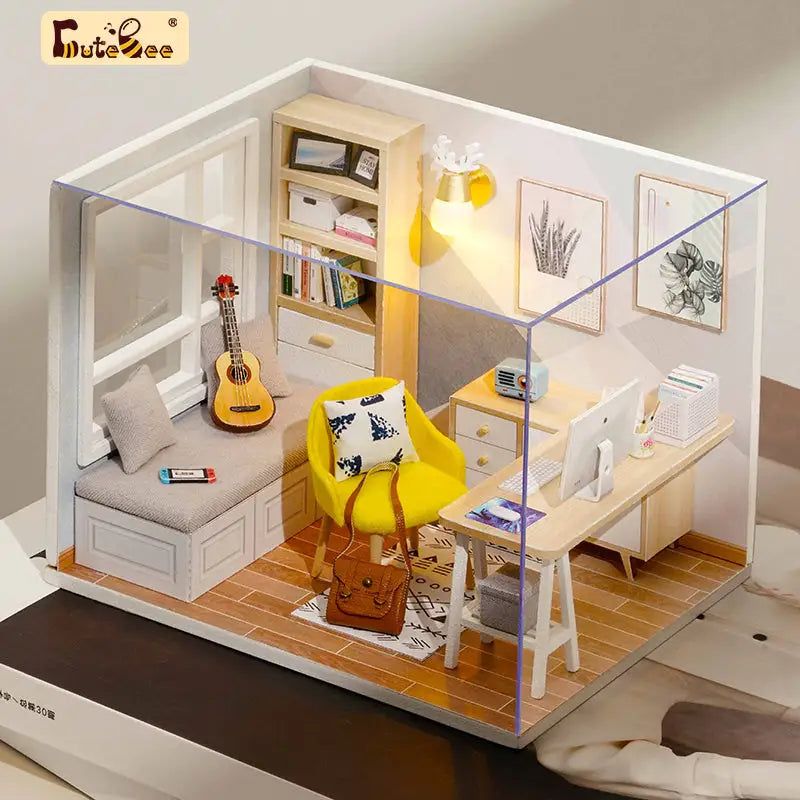
Sun Room DIY Miniature House Kit
$49.99
Start with this kit →
Push beyond the cliche by introducing secondary colors that feel earned. Burnt orange suggesting rust or aged copper. Deep purples indicating night sky or shadows. Sickly yellow-green for hazard or decay. A single unexpected color accent (one shelf lit in amber while everything else is pink and blue) creates visual interest and suggests story detail.
The background color anchors everything. Matte black is traditional, but deep charcoal, dark navy, or even very dark gray can work depending on your lighting intensity. Glossy black backgrounds reflect light and can create unwanted glare; matte finishes absorb light and let your neon pop properly.
Common Mistakes and How to Avoid Them
The most common mistakes in cyberpunk nook building are overbuilding a cluttered scene, poor wire management that breaks immersion, mismatched scale between figures and books, and forgetting that the book collection itself is part of the composition. Overbuilding kills cyberpunk nooks. Too many objects, too many textures, competing for attention. Restraint matters more than abundance. A sparse scene with precisely placed details feels more intentional than a cluttered one. Your eye should move naturally through the space, not scatter across competing visual noise.
Poor wire management turns magic into mess. Stray cables visible in the back undermine immersion. Spend ten minutes planning your power supply before you glue anything permanent. Batteries work for small strips if you’re building a portable nook; wall power is more reliable for permanent installations with multiple light circuits.
Mismatched scale disrupts believability. If your books are 1:12 scale, your miniature figures should match. A figure that’s dramatically oversized or undersized stands out wrong, not intentionally. Scale doesn’t need to be laboratory-perfect, but consistency matters.
Forgetting the actual books. Book nooks exist to showcase literature. Even in cyberpunk settings, the collection should feel intentional. Spine-out display works. Stacked piles look organic. A few books lying open with tiny bookmarks suggest active reading. The books themselves are part of your color palette and composition.
Integrating Store-Bought Kits and Custom Builds
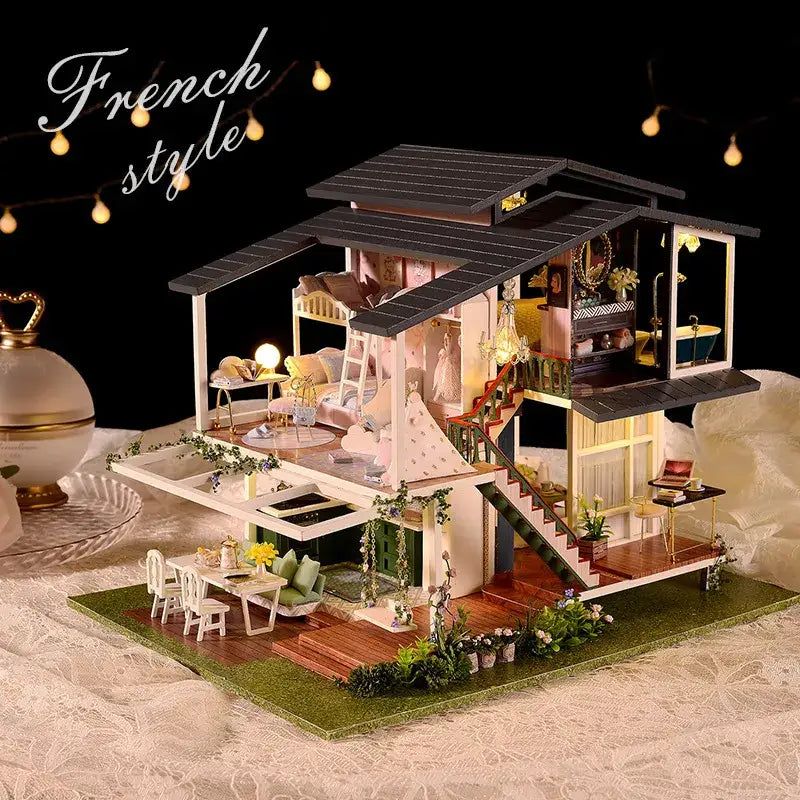
The best way to integrate store-bought kits with custom cyberpunk builds is to start with a kit for structure, then apply a matte black base coat, install LED strips while the frame is still open, and layer in custom props and weathered finishes that match your chosen narrative. Many builders mix purchased kits with custom modifications. A book nook kit gives you structure and planning. You paint it, weather it, add custom lighting, and layer in your own props. This hybrid approach reduces decision fatigue while preserving creative control over aesthetics.
Customization starts with paint. Original finishes are usually light or neutral. A matte black base coat immediately shifts the kit toward cyberpunk. Paint interior walls and surfaces before assembling components. Weather exposed edges and faces. Add your LED strips while the structure is still accessible, before you’ve glued everything together permanently.
Prop integration transforms kit aesthetics. The included shelving might be generic wood. You add cables, tiny circuit boards, and small tech-looking objects that feel native to the space. Swap out generic miniatures for figures that match your cyberpunk narrative. If the kit includes standard books, replace them with tiny printouts of sci-fi titles or create custom spines that reinforce your story. If you enjoy combining detailed scenery with rich narrative background, our guide to choosing a miniature house kit walks through how to pick a structure that suits your storytelling style.
Storytelling Through Design Choices
Every detail in a cyberpunk nook should suggest a specific context: a hacker’s workspace, a late-night noodle bar, or a corporate library each demands different props, graffiti, and micro-narrative details that make viewers pause and look closely. Every detail should suggest context. Is this a hacker’s workspace (include tiny keyboards, data devices, coffee cups)? A late-night noodle bar with book lovers (add seating, food items, street-level grit)? A futuristic library in a corporate tower (clean lines, expensive-looking materials, organized shelving)? Your design choices tell that story without needing an explanation.
Graffiti, handwritten notes on tiny paper, and scrawled warnings reinforce narrative. A poster with visible text (printed small enough to be readable at scale) suggests propaganda or advertisement. A knocked-over chair or scattered items hint at urgency or chaos. These micro-narratives make people pause and look closely.
The books themselves carry story weight. Visible spines with cyberpunk or sci-fi titles anchor the theme. Tiny bookmarks peeking out suggest active readers. A half-read book face-down on a desk suggests someone left recently. These details cost nothing but intention, and they transform a beautiful shelf into a world someone lived in.
Frequently Asked Questions about Cyberpunk Book Nooks
Everything you might be wondering (click a question to expand).
What scale should I build at for a cyberpunk nook?
1:12 scale (dollhouse scale) is most forgiving for beginners because parts are easier to find and proportions are intuitive. 1:24 scale offers more intricate detail and requires smaller spaces. Larger scales (1:8 or 1:6) let you include more complex lighting and realistic details but demand more materials and workspace. Pick based on your available space and detail tolerance, not the aesthetic itself. Cyberpunk works at any scale.
Do I need real neon for authentic cyberpunk lighting?
No. Glass neon is fragile, generates heat, and costs hundreds of dollars. LED strips labeled “neon-effect” or simple RGB LED strips produce visually identical results at 1/50th the cost and 1/100th the complexity. Modern LEDs are bright enough for miniature spaces and completely safe. Authenticity in cyberpunk comes from mood and narrative, not literal materials.
Can I build a cyberpunk nook without electronics experience?
Absolutely. LED strips with remote controls or app control require no soldering or technical knowledge. Plug in power, stick the strip down, use the remote. If you can follow product instructions and run an adhesive cable clip, you can manage it. YouTube walkthroughs exist for every popular LED strip brand. Start simple, upgrade later if you want more control.
How much does a cyberpunk nook typically cost to build?
A complete build from scratch (including base, materials, lighting, props) ranges from $80-300 depending on scale and how many specialty items you purchase versus salvage. Budget $30-50 for basic materials, $20-40 for lighting, and the rest for props and kit purchases if you’re not building entirely custom. Many makers spend less by sourcing secondhand books, repurposing craft supplies, and salvaging materials.
How do I photograph my cyberpunk nook so it looks as good as it does in person?
Lighting is everything. Photograph in dim ambient light, letting your LED strips be the primary light source. Use your phone’s portrait or “night mode” if available to reduce harsh shadows. Shoot from the angle your nook was designed for; often that’s slightly above and to one side. Avoid direct overhead lighting from your photography setup because it flattens the mood. Let the neon do the visual work.
How long does it actually take to build a cyberpunk book nook from start to finish?
Most first-time builders finish a complete cyberpunk book nook in 15 to 20 hours of focused work. That usually breaks down as: 3 to 4 hours for cutting and assembling the structure, 4 to 6 hours for painting and weathering (including drying time), 2 to 3 hours for wiring and testing LEDs, and the remainder for props, details, and final adjustments. Working from a kit cuts the structural phase almost in half. Spread across a weekend, the build feels relaxed rather than rushed.
Taking Your Cyberpunk Nook Beyond the Shelf
Taking your cyberpunk nook beyond the shelf means connecting it to your broader maker practice: the meditative techniques of neon installation, weathering, and detail work transfer to other scales and often lead builders to a second and third themed build. Once you’ve built your first cyberpunk nook, consider how it connects to your broader maker practice. Does the aesthetic inspire other projects? Have you discovered techniques that transfer to other scales or styles? The meditative focus required for neon installation, weathering, and detail work often becomes addictive. Many builders find one cyberpunk nook leads to a second, then a collection of themed spaces.
The maker community is active around cyberpunk aesthetics. Sharing your build process, your material choices, and your custom solutions teaches others while deepening your own practice. Watch what other builders ask about; often the next project emerges from community requests, not trend prediction. Cyberpunk nooks exist because crafters asked for them, not because marketing decided they were next.
Your nook will evolve. Details wear, LED colors drift, books get rearranged. That’s intentional. A living miniature world changes like a real one. The meditative satisfaction isn’t just in building it once; it’s in inhabiting it over time, adjusting and refining as your eye develops and your skills deepen.