🎁 Buy 2 kits, get the 3rd FREE · Free shipping on every order

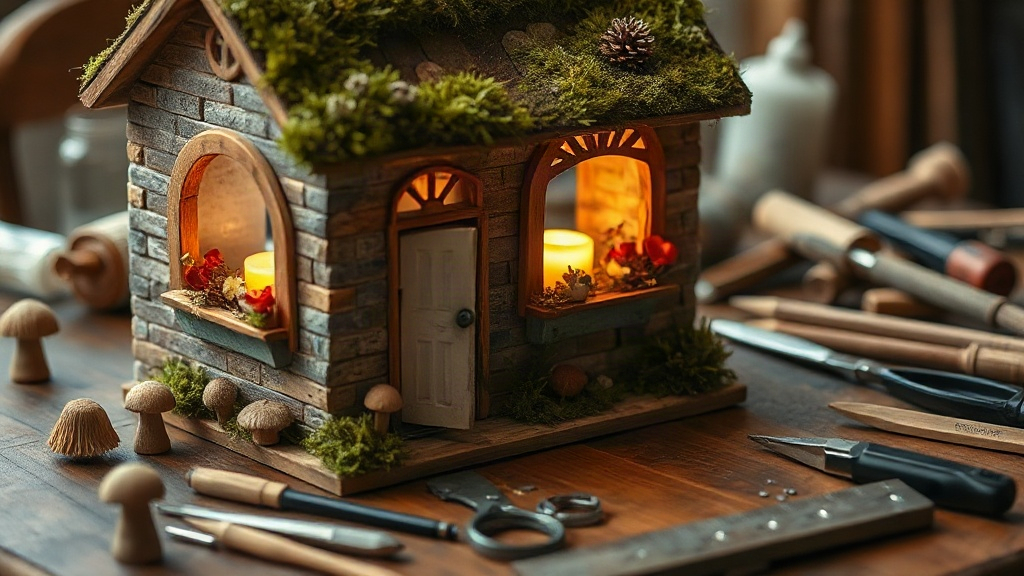
Cottagecore Miniature House Kit: Build Your Storybook Home in 2026
Discover how cottagecore miniature house kits blend nature-inspired aesthetics with handcrafted creativity. Learn what makes these kits special, how to build one, and why they've become the go-to gift for crafters seeking meditative, Pinterest-worthy projects.

There’s something almost magical about building a world so small it fits in your hands. A cottagecore miniature house kit offers exactly that kind of escape: a chance to create something beautiful, inhabit its story for hours, and own a finished piece that feels like it stepped straight out of a storybook.
If you’ve scrolled through Pinterest lately, you’ve seen them. Tiny houses tucked beneath toadstool canopies. Cottage interiors framed by dried flowers and vintage tea sets. Mushroom-shaped roofs. Wildflower meadows surrounding porches no bigger than your thumb. The cottagecore aesthetic has exploded, and miniature house kits are leading the charge in 2026. They’re not just decor. They’re meditative projects that blend nature, nostalgia, and handcraft into something genuinely satisfying to build and display.
What Makes a Cottagecore Miniature House Kit Different
A cottagecore miniature house kit stands apart through its thematic commitment to rural simplicity: weathered wood, natural textures like moss and bark, mushroom roof shapes, and botanical decor you won’t find in any generic dollhouse kit. Cottagecore, at its heart, celebrates rural simplicity and connection to nature. In miniature form, that means kits designed with specific thematic elements you won’t find in generic dollhouses.
A typical cottagecore miniature house kit includes weathered wood components, natural textures like moss and bark, and plenty of room for botanical decor. Many 2026 releases feature pre-cut mushroom-shaped roof pieces, window boxes sized for dried flower arrangements, and floor plans that accommodate a cottage garden aesthetic rather than modern living spaces. You’ll find components for tiny garden gates, wooden benches, and lanterns that look aged by seasons.
The color palettes tend toward earthy neutrals: soft greens, creams, dusty pinks, and warm browns. Unlike bright, colorful dollhouse kits aimed at children, cottagecore designs lean into muted, sophisticated tones that photograph beautifully and feel timeless rather than trendy. If you’re exploring the broader world of miniature house kits, cottagecore sits at the intersection of craft therapy and interior design.
Core Components Found in Most Cottagecore Kits
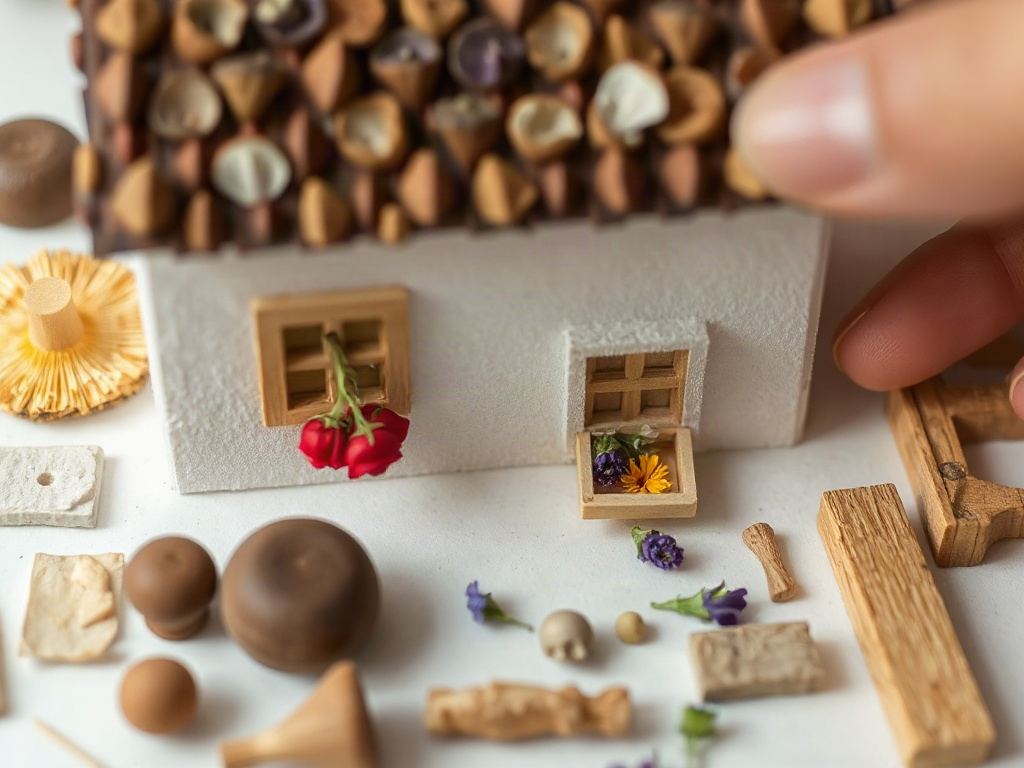
Most cottagecore miniature house kits include pre-cut structural wood, exterior shingles, window and door hardware, botanical-print wallpapers, LED lighting, and starter decorative accents, though furniture, plants, and tools typically require a separate budget. If you’re evaluating your first kit, knowing what’s typically included helps you plan your budget and your build sessions. Most cottagecore miniature house kits include the following.
- Structural wood pieces: Pre-cut walls, roof components, and floor panels. These are usually laser-cut from plywood or balsa wood, requiring careful assembly with wood glue and nails or screws provided. Difficulty ranges from intermediate to advanced depending on the kit.
- Exterior elements: Roof shingles, window frames, door frames, and architectural trim. Many feature weathering details or come pre-stained to mimic aged wood.
- Windows and doors: Glass or plastic panes, wooden frames, and hardware. Some kits offer multiple door styles so you can choose the look that resonates with your vision.
- Interior finishing materials: Flooring sheets (wood, tile, or stone-textured paper), wallpaper samples, and baseboards. Cottagecore kits often include botanical or cottage-print wallpapers.
- Lighting: LED light strips or bulbs, wiring, and power options. Good lighting transforms the entire piece, especially for evening display or photography.
- Decorative accents: Some kits include starter pieces like tiny furniture, mirrors, or decorative elements. More advanced kits leave this entirely to your creativity, treating the house as a blank canvas for your own mise en scène.
What’s NOT always included: finished miniature furniture, plants (including the dried flowers and mushrooms that define cottagecore style), paint, adhesives beyond basic wood glue, or tools like hobby knives and sandpaper. Factor those into your budget when shopping.
🪄 Hannah’s tip
Before buying any kit, check the assembly photo gallery on the product page. You’ll spot exactly which elements are included and get a realistic sense of the finished scale. A kit that looks perfect online can feel underwhelming if the actual interior dimensions are tinier than you imagined. Scale matters more than you’d think. I learned this the hard way with my very first Victorian dollhouse on that rainy Sunday in 2021, when the “grand staircase” turned out to be barely three inches tall.
Before buying any kit, check the assembly photo gallery on the product page. You’ll spot exactly which elements are included and get a realistic sense of the finished scale. A kit that looks perfect online can feel underwhelming if the actual interior dimensions are tinier than you imagined. Scale matters more than you’d think. I learned this the hard way with my very first Victorian dollhouse on that rainy Sunday in 2021, when the “grand staircase” turned out to be barely three inches tall.
Quick Comparison: Choosing the Best Cottagecore Kit for Your Build
Beginner kits run $35, $75 and take 6-12 hours; intermediate builds cost $60, $150 over 15-25 hours; advanced collector kits reach $300+ and demand 40 or more hours of careful, rewarding assembly. Not sure where to start? This at-a-glance table covers the three main tiers you’ll encounter when shopping for a cottagecore miniature house kit, whether you’re drawn to a quick weekend project or a month-long DIY house assembly adventure.
| Level | Build Time | Typical Price | Best For | Example Kit |
|---|---|---|---|---|
| Beginner | 6-12 hrs | $35-$75 | First-timers, gift buyers, stress-relief crafting | Sun Room Kit |
| Intermediate | 15-25 hrs | $60-$150 | Crafters with some build experience, cottagecore enthusiasts | Tranquil Life Kit |
| Advanced | 25-40+ hrs | $120-$300+ | Experienced builders, collectors, detailed customization | Monet’s Garden Kit |
Before you buy: a quick checklist
- Have you confirmed the finished dimensions match your display space?
- Does the kit include LED lighting, or will you need to source it separately?
- Are tools (hobby knife, glue gun, cutting mat) included or on your shelf already?
- Have you budgeted for supplementary decor: dried flowers, mushroom figurines, furniture?
- Does the instruction manual come in your preferred language?
- Is there an active community or review gallery you can reference during the build?
Designing a Mushroom and Dried Flower Cottagecore House
The most immersive cottagecore miniature houses layer two signature details: mushroom accents clustered around the base to evoke a forest floor, and dried botanicals in window boxes and interior displays that never wilt and last for years. Here’s where your vision takes over from the kit. The structural foundation is there; now you personalize it.
The Mushroom Element
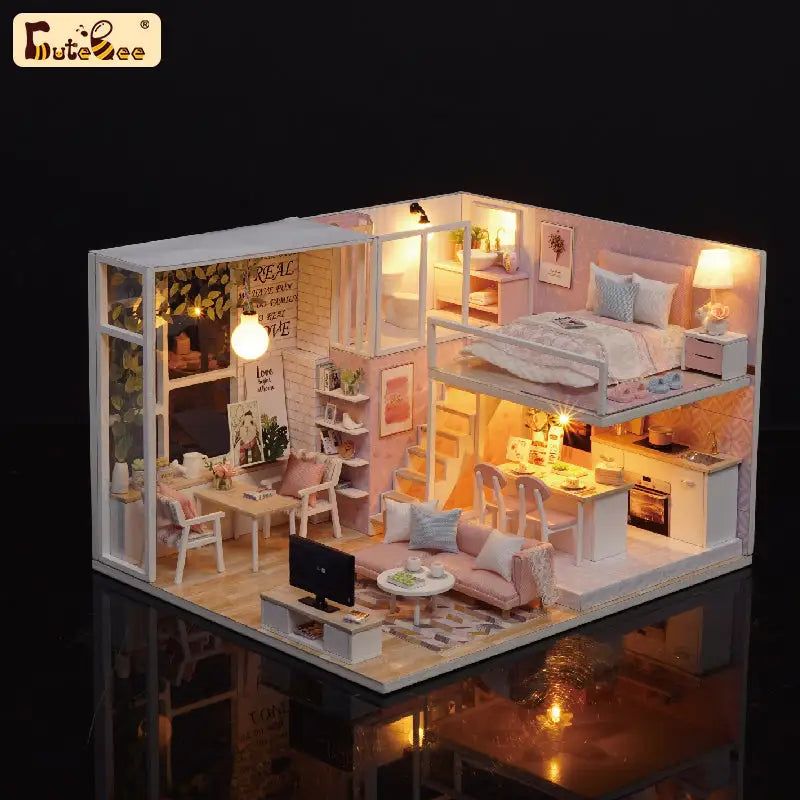
If you want the best cottagecore kit experience, the mushroom detail is non-negotiable. It’s the one element that immediately signals “forest cottage” rather than generic dollhouse, and it’s surprisingly fun to build. Here’s a kit that gets this just right from the very first unboxing: the Tranquil Life DIY Miniature House Kit ships with pre-cut toadstool roof components and a forest-floor base platform, so the mushroom story is built into the architecture rather than glued on as an afterthought. If you’ve been searching for a best cottagecore kit that handles the whimsical detail for you, this is the one Hannah keeps recommending to first-time buyers.
Bestseller cottage kit
Tranquil Life DIY Miniature House Kit
$67.90
Includes pre-cut mushroom roof pieces and a forest-floor base platform. Rated top pick for intermediate cottagecore builds.
Mushrooms are the signature cottagecore detail right now. You have options. Many kits with “mushroom roof” designs ship with the toadstool shape already cut and ready for assembly. If yours doesn’t, you can source tiny mushroom figurines (resin, ceramic, or polymer clay) and position them around the exterior or on the porch. Some builders craft their own from air-dry clay, shaping them to match your house’s color palette.
For a truly immersive look, position mushrooms in tiered clusters around the house base, as if they’re sprouting from a forest floor. Paint them in cottage-appropriate colors: cream with russet caps, pale pink with burgundy spots, soft white with peachy underside gills.
Dried Flower Integration
Dried flowers are the second pillar of the best cottagecore kits. Unlike fresh flowers, dried botanicals last indefinitely, making them perfect for a permanent display piece. Target pieces include:
- Baby’s breath and gypsophila (classic, airy filler)
- Pampas grass (adds height and softness)
- Dried roses, particularly in cream, blush, or mauve
- Wheat, oats, and grasses
- Eucalyptus and green dried foliage
- Ammobium and other delicate white flowers
Arrange these in window boxes, window sills, and around the perimeter. Keep stems short to maintain scale. A single stem of baby’s breath in a tiny vase becomes a statement piece when scaled down.
Interior Botanical Styling
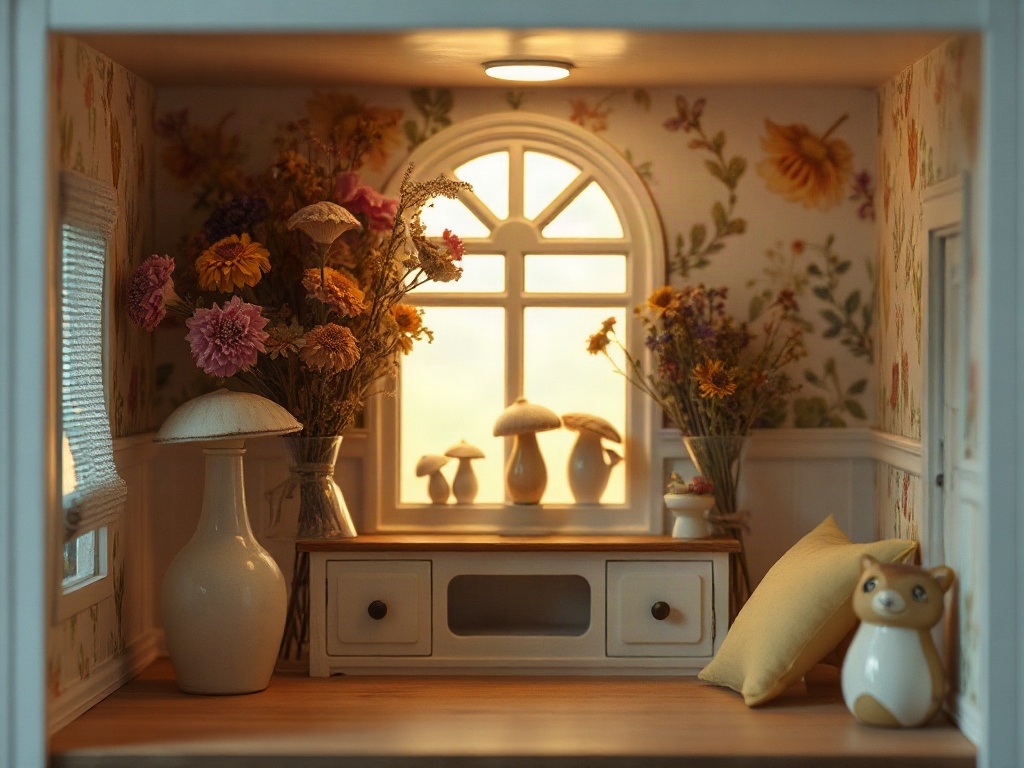
Don’t stop at the exterior. Dried flowers indoors create warmth and authenticity. Tuck sprigs into tiny vases (often sourced from craft suppliers or specialty dollhouse shops), arrange them above a fictional mantelpiece, or hang them from the ceiling beams if your kit includes an exposed structure. Pairing dried botanicals with soft warm lighting creates an almost dreamlike interior that feels lived-in rather than sterile. If you love layering botanical detail, our miniature greenhouse kits take this concept even further with full glass-wall builds.
Building Steps for Cottagecore Kits: A Realistic DIY House Assembly Guide
A realistic DIY house assembly for a mid-level cottagecore kit runs five phases, structural build, roofing, exterior details, interior finishing, and botanical styling, spread across 15 to 30 hours of active work over two to four weeks. Most intermediate cottagecore kits take 15 to 30 hours of active building time spread over two to four weeks. Here’s how serious crafters approach it.
Phase 1: Assembly (4-6 hours)
Follow the instruction manual carefully. Organize all wood pieces by location. Dry-fit walls before gluing to ensure alignment. Apply wood glue to joints, then reinforce with small nails or screws provided. Sand edges smooth if they’re rough from cutting. Don’t rush this; a crooked foundation shows in every detail later.
Phase 2: Roofing and Weatherproofing (2-4 hours)
Attach roof components. If your kit includes mushroom-shaped pieces, this is where they come together. Apply wood stain or paint if desired. Many cottagecore builders leave the wood natural or lightly weather it with dry brushing techniques to create an aged look. If adding a moss-covered aesthetic, this is when you’d apply flocking material or moss sheets to the roof surface.
Phase 3: Exterior Details (3-5 hours)
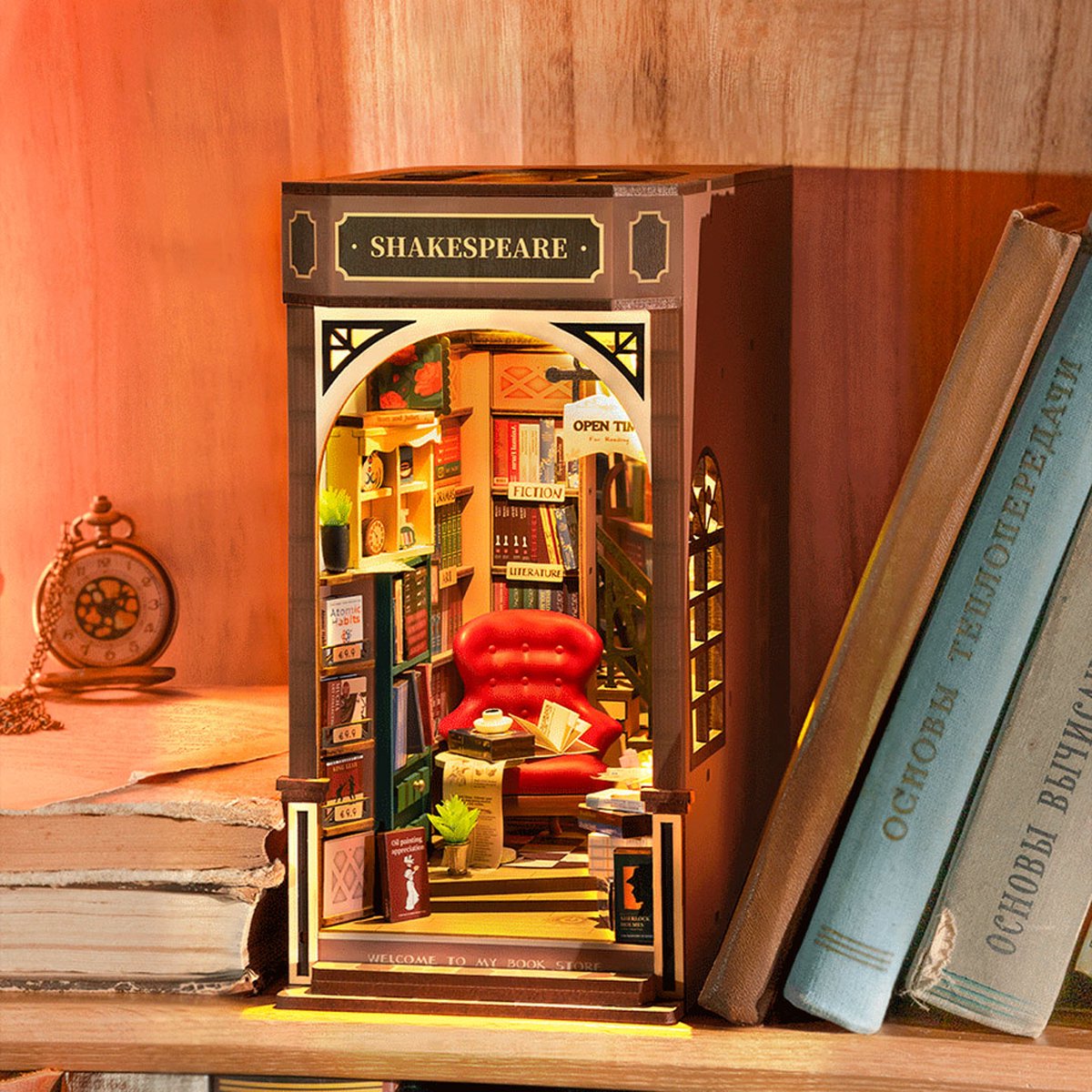
Install windows and doors. Add trim, shutters, and architectural elements. Paint or stain these to match. Position your mushroom accents around the base. Begin laying out where dried flowers will eventually sit, though don’t install them yet.
Phase 4: Interior Finishing (4-6 hours)
Wallpaper or paint interior walls. Install flooring. Add baseboards. Install lighting wiring (plan this carefully if your kit requires it; poor wiring placement is frustrating to fix later). Test all lights before sealing the house.
Phase 5: Styling and Botanicals (2-4 hours)
Place furniture, mirrors, and smaller decor pieces. Arrange dried flowers in window boxes and interior displays. Position mushrooms. Take a moment to photograph your work as the light hits it. This is the satisfying payoff. For more inspiration on finishing your build in style, the full miniature house kits collection has detailed photo galleries from real builders.
📜 Did you know?
Cottagecore as a documented aesthetic movement accelerated online around 2020, but its roots reach back centuries to Romantic-era poetry and 19th-century pastoral literature. The miniature house revival taps into that same nostalgia for a simpler, nature-connected life that may never have actually existed, but absolutely lives in our collective imagination. Some of the earliest recorded miniature “baby houses” in Europe date to the 1600s, built not for children but as adult collectors’ showcases of fine craftsmanship.
Cottagecore as a documented aesthetic movement accelerated online around 2020, but its roots reach back centuries to Romantic-era poetry and 19th-century pastoral literature. The miniature house revival taps into that same nostalgia for a simpler, nature-connected life that may never have actually existed, but absolutely lives in our collective imagination. Some of the earliest recorded miniature “baby houses” in Europe date to the 1600s, built not for children but as adult collectors’ showcases of fine craftsmanship.
Choosing the Right Kit for Your Skill Level: Best Cottagecore Kits by Category
Picking the right skill-level entry point is the single biggest factor in whether your cottagecore kit becomes a proud display piece or a half-finished project in a drawer, beginners thrive on pre-assembled kits, while advanced builders unlock full customization. Not all cottagecore kits are equal in complexity. Honesty about your experience matters, and picking the right entry point is the single biggest factor in whether your build becomes a proud display piece or a half-finished project in a drawer.
Beginner Kits (6-12 hours total build time)
These prioritize pre-assembly. More pieces come pre-glued or snapped together. Painting is minimal. Instructions are visual and straightforward. You’re mostly styling and arranging existing pieces rather than constructing from raw materials. Difficulty: Easy. Cost typically ranges $35 to $75.
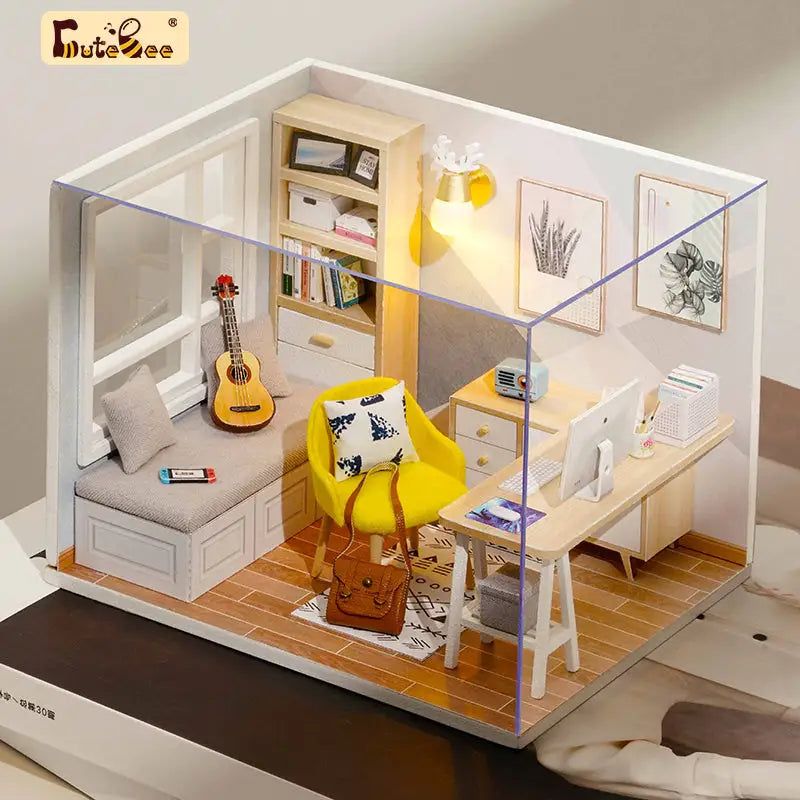
The Sun Room DIY Miniature House Kit is the go-to recommendation here. At $49.99, it’s an accessible entry into the cottage aesthetic with a light-filled interior design that feels genuinely fresh rather than formulaic. The large window panels let you experiment with botanical arrangements without committing to a dark forest palette on your very first build. It’s the kit Hannah hands to friends who say “I’ve never done anything like this before.”
Easy starter under $50
Sun Room DIY Miniature House Kit
$49.99
Beginner-friendly assembly with oversized window panels ideal for botanical styling. Perfect first cottagecore build.
Intermediate Kits (15-25 hours)
You’re assembling walls and roofs from cut pieces using provided glue and fasteners. Some painting or staining required. Instructions assume basic craft knowledge. You have significant creative freedom in finishing. Difficulty: Moderate. Cost typically $60 to $150. The Tranquil Life Kit sits comfortably in this tier, with a clear instruction set and enough pre-defined detail to feel guided without feeling restrictive.
Advanced Kits (25-40+ hours)
Minimal pre-assembly. You may need to source your own paint, adhesives, or specialized tools. Interior layout is largely customizable. Some kits expect you to install complex wiring for lighting. These feel more like architectural projects than assembly lines. Difficulty: Advanced. Cost typically $120 to $300 or more, plus additional supplies.
The Monet’s Garden DIY Miniature House Kit at $155.00 is the standout advanced pick. It rewards crafters who want to spend real hours getting every garden-facing detail right: the trailing botanicals, the greenhouse-adjacent windows, the sense that this tiny space is alive with growth. It’s a collector piece as much as a build project.
Start where you are. A satisfying beginner project beats an abandoned advanced kit. Many crafters build multiple kits over time, naturally progressing to greater complexity as confidence grows. You can see the full miniature house kits range organized by style and difficulty to help you choose.
Sourcing Mushrooms, Dried Flowers, and Supplementary Decor
Quality dried botanicals cost $15, $40, mushroom figurines run $2, $15 each, and a fully appointed miniature interior typically adds $50, $200 beyond the base kit, budget accordingly before you start sourcing. Your kit gives you the house. The personality comes from what you add.
Dried Flowers
Quality dried botanicals are available from craft suppliers, specialty floral shops, and online marketplaces. Look for pieces labeled “dried” rather than “artificial” or “faux”: genuine dried botanicals feel more authentic and photograph better. Expect to spend $15 to $40 on a good assortment depending on variety and quantity. Buy slightly more than you think you’ll need; some stems break during handling, and extras give you design flexibility.
Mushroom Figurines
Polymer clay mushrooms can be hand-sculpted or purchased pre-made from craft suppliers. Ceramic versions offer durability and a refined look. Resin mushrooms are detailed and lightweight. Prices range from $2 to $15 per piece depending on size and material. A cluster of five to seven mushrooms in varying heights creates visual impact without overwhelming the cottage.
Miniature Furniture and Accessories
This is where your collection expands beyond the base kit. Tiny wooden chairs, tables, mirrors, lanterns, and vintage-looking pieces are available through specialty miniature retailers and online marketplaces. Quality varies significantly by price. Handcrafted pieces from small makers tend to feel more authentic to cottagecore style than mass-produced alternatives. Budget $50 to $200 for a fully appointed interior, though you can start with $15 to $30 and add pieces gradually.
Paint and Finishing Materials
Acrylic paint works well on wooden kits. Choose cottagecore-appropriate colors: soft whites, creams, pale greens, dusty rose. Satin or matte finishes look more authentic than glossy. Wood stain in warm, medium tones mimics aged timber. Moss flocking material creates a weathered roof effect. Expect to spend $10 to $25 on a solid finishing supply set.
Display and Photography: Making Your Build Shine
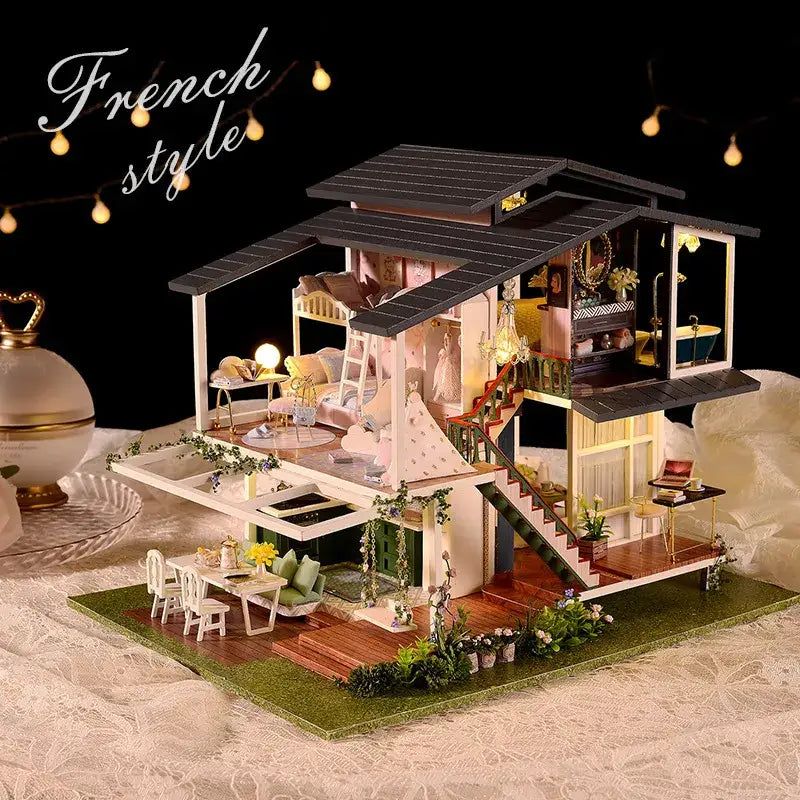
Display your finished miniature cottage on a dedicated shelf in indirect natural light, fit it with warm white 2700K LED lighting for evening glow, and shoot close-up detail shots during golden hour for social sharing that does justice to every tiny botanical.
Once built, your cottagecore miniature house deserves a beautiful home.
Shelf and Backdrop Considerations
A dedicated shelf or display case keeps your build dust-free and shows it off. Position it where indirect natural light reaches it during daytime; this highlights details and botanical colors beautifully. Avoid direct sunlight, which fades colors over time. If using a closed display case, ensure interior air circulation so dust doesn’t accumulate.
Lighting for Evening Display
Interior lighting transforms your piece when room lights dim. Warm white LED lights (2700K color temperature) create a cozy, inviting glow. Cool white feels harsh and out of character. Many cottagecore builders add battery-powered or plug-in light strips to the interior, creating the impression of candlelit evenings. This is where the house feels truly alive.
Photography Tips for Social Sharing
If you’re posting to Instagram, TikTok, or Pinterest, close-up shots of details work better than wide shots. Capture the mushroom clusters, dried flower arrangements, and warm interior lighting. Shoot during golden hour (early morning or late afternoon) for the most flattering natural light. Flat-lay arrangements of components before assembly also resonate with the cottagecore community, showing the handcraft process and raw materials. Your build journey is as much a story as the finished house.
Cost Breakdown and Budget Planning
A complete cottagecore miniature house kit project realistically costs $145 to $495 all-in, once you add paint, dried botanicals, mushroom figurines, furniture, and tools to the base kit price. A complete cottagecore miniature house kit project involves more than just the kit. Here’s a realistic breakdown.
- Kit itself: $50 to $200 depending on complexity and brand
- Paint, stain, finishing materials: $10 to $25
- Dried flowers and botanicals: $15 to $40
- Mushroom figurines: $10 to $30 for a collection
- Furniture and accessories: $30 to $150+ depending on how much you source beyond the kit
- Specialized tools (if needed): Hobby knife, cutting mat, sandpaper, glue gun. Many crafters already own these. If starting from scratch, budget $20 to $50.
Total first project: $145 to $495. You can absolutely start lower if you choose a beginner kit and use foraged botanicals or items you already own. You can also spend considerably more if you commission custom furniture or invest in museum-quality display cases.
Why Cottagecore Miniature Houses Resonate in 2026
Cottagecore miniature houses resonate because building them is genuinely meditative, hours of focused, tactile handcraft that quiet the mind in ways screens never can, producing a permanent display piece that exists entirely outside productivity culture. The appeal runs deeper than aesthetics. Building a miniature world is meditative. It requires focus, patience, and care. There’s no rush. The repetitive motions of assembly, painting, and arranging quiet the mind in a way scrolling never can. The finished piece remains permanent, a testament to hours invested in something entirely non-utilitarian. In a hyperproductive world, that’s radically countercultural.
They’re also phenomenal gifts. A thoughtfully chosen cottagecore kit appeals to crafters, artists, interior design enthusiasts, and anyone seeking projects that feed both creativity and calm. They photograph beautifully, lending themselves to the visual storytelling of social media, yet they’re equally meaningful as private creative practice. You build for yourself, not for an audience.
Premium collector piece
Monet’s Garden DIY Miniature House Kit
$155.00
Advanced build with a garden-facing design and botanical-rich detail. The kit Hannah saves for her own shelf.
Frequently Asked Questions about Cottagecore Miniature House Kits
Everything you might be wondering (click a question to expand).
How long does a cottagecore miniature house kit actually take to complete?
Beginner kits typically take 6 to 12 hours. Intermediate kits range from 15 to 25 hours. Advanced builds can stretch to 40 hours or more, especially if you’re customizing heavily or hand-crafting interior details. Many crafters spread this over weeks or months, working in short sessions rather than all at once. Hannah built her first Victorian dollhouse over three weeks of Sunday afternoons, and found the slow pace was half the pleasure.
Do I need special tools to build these kits?
Basic craft tools suffice for most kits: a hobby knife or craft scissors, a glue gun, sandpaper, and a cutting mat. Some advanced kits may benefit from a small saw for custom trimming, but instructions usually account for this and suggest alternatives. Check your specific kit’s requirements before purchasing. If you’re just starting out, a $20 basic craft kit from any art supply store covers the essentials.
Can I leave dried flowers in the kit permanently, or will they deteriorate?
Dried flowers last for years in stable indoor conditions. Avoid direct sunlight, excessive heat, and high humidity, which accelerate degradation. In a display case or shelf setting, they hold their color and structure for at least two to three years. Some crafters refresh botanical accents annually, treating it as part of the ongoing creative practice rather than a one-time chore.
Are cottagecore kits appropriate for children?
Most cottagecore kits are marketed toward teens and adults due to small parts and assembly complexity. Beginner kits with pre-assembly and glue-only construction suit mature teens with craft experience. Young children benefit more from kit versions designed specifically for their age group. Always check manufacturer age recommendations and supervise accordingly.
Can I customize the interior layout significantly, or does the kit dictate the design?
Most kits provide structural constraints (walls, doors, windows are fixed) but immense flexibility in interior styling. You arrange furniture, decide color schemes, choose botanical placements, and control the overall atmosphere. Advanced kits often leave the interior entirely open for customization, while beginner kits may include suggested layouts. The house structure is set, but the story inside is entirely yours.
What’s the difference between a cottagecore kit and a regular dollhouse kit?
The distinction is mostly thematic and material. A standard miniature house kit may replicate any architectural style, from Victorian townhouses to modern apartments. A cottagecore miniature house kit specifically incorporates nature-forward details: mushroom roof shapes, window boxes for dried botanicals, mossy exteriors, warm earthy color palettes, and a general feeling of rural nostalgia. The build process is similar, but the design language and finishing philosophy are quite different.
Building Your Own Storybook World
A cottagecore miniature house kit is an invitation to slow down, create something tactile and real, and build a world where mushrooms sprout naturally and dried flowers never wilt. It’s not efficiency. It’s not optimization. It’s the opposite: time spent in careful, intentional creation. The act of building matters as much as what you build.
When Hannah finished her first Victorian dollhouse on that rainy Sunday back in 2021, she set it on the windowsill and just looked at it for a while. No notifications. No optimizing. Just the quiet satisfaction of something made by hand that hadn’t existed in the world an hour before. That’s the feeling every kit in this shop is designed to give you, whether it’s your first build or your fifteenth.
When you finally step back and see the finished house glowing softly on your shelf, surrounded by the botanicals you’ve arranged with intention, you’ll understand why this aesthetic has captured so many crafters’ hearts. You’ve created something beautiful, learned something new, and spent hours in a state of creative flow. Ready to start? Browse the full miniature house kits collection, pick your skill level from the comparison table above, and begin your build this weekend. That’s the real magic.